Al-Sharaa is looking for freedom of action
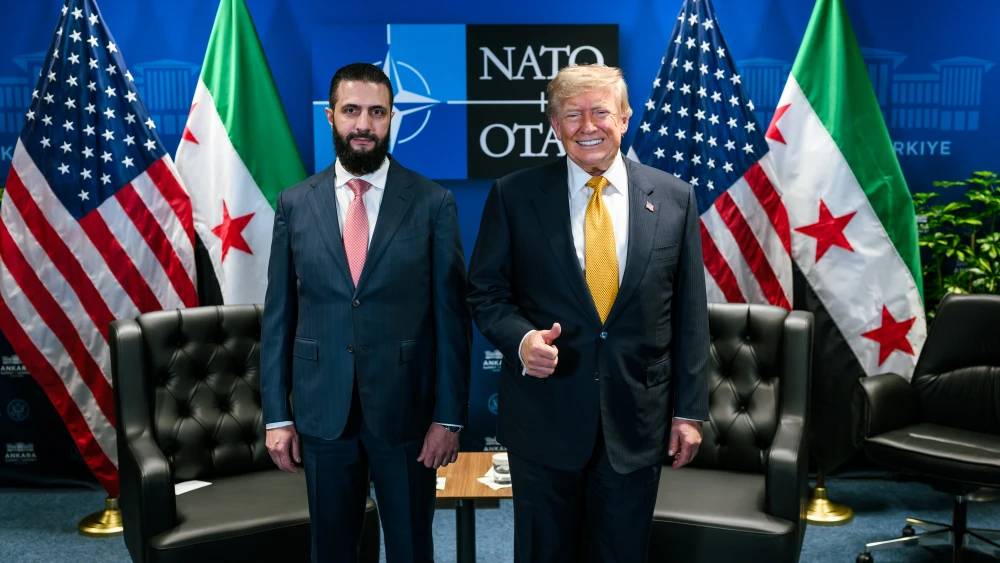
Less than two years ago, it would have been difficult to imagine Ahmed al-Sharaa, the man whose forces overthrew longtime Syrian President Bashar Assad, reaching an understanding with the country that kept Assad in power, bombed his opponents for years and eventually provided refuge to the deposed Syrian president.Yet that is precisely what has now happened.On Aug. 9, Syria and Russia announced understandings regarding the future of Russia’s presence at the Hmeimim airbase and the port of Tartus after some 18 months of negotiations. Under the new framework, Damascus is to regain greater control over the sites, while Russia maintains a reduced military role.Moscow is not being expelled from Syria, but neither is it retaining the extraordinary freedom of action and privileged position it enjoyed under Assad. Nonetheless, the arrangement is already moving from paper to practice. On Aug. 12, Syria began operating a commercial berth at Tartus previously used…

Ahmed al-Sharaa, the new leader of Syria, is pursuing a strategy of diversification to prevent the country from becoming dependent on a single foreign power. This approach is evident in recent understandings with Russia, announced on August 9, where Syria is regaining greater control over the Hmeimim airbase and Tartus port, while Russia maintains a reduced military presence. Concurrently, Damascus has reportedly signaled to Washington a willingness to reduce Russian oil imports as the U.S. considers removing Syria from its list of state sponsors of terrorism.
Al-Sharaa does not appear to be searching for a new patron to replace Syria’s old ones.
Instead, he aims to balance relationships with multiple powers—Turkey for trade, Gulf states for investment, Washington and Europe for legitimacy, and Russia for military and diplomatic value—to increase Syria's freedom of action. For Israel, this shift means a more sovereign Syria could be tactically challenging but strategically preferable, as it might resist becoming a proxy for other regional powers. Israel should maintain clear red lines but avoid policies that push Damascus towards a new dominating protector.
© All rights to the original article belong to the source. Din Online shows a headline, an excerpt and a link only. The objectivity rating is computed automatically and is an estimate only.
Discussion
No comments yet — be the first to comment.