Are New York rabbis really ‘beseeching’ Mamdani?
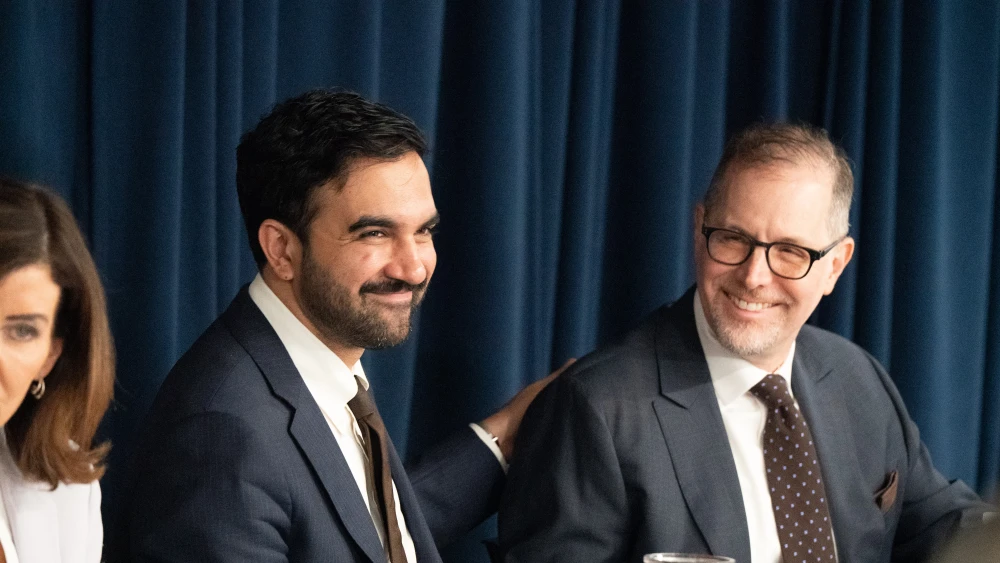

The following news headlines recently appeared in The New York Times:
“Rabbis plead with Mamdani to tone down his anti-Israel messaging”

“A group of rabbis beseeched Mayor Zohran Mamdani to pay greater attention to the effect of his rhetoric about Israel on the safety of New York City Jews.”
It is both extraordinary and troubling to see words like “beseeched” and “plead” to describe the actions of the 10 rabbis who met this week with New York City Mayor Zohran Mamdani.
The Aug. 10 meeting, arranged by the mayor’s office, addressed concerns over Mamdani’s anti-Israel and anti-Zionist rhetoric, and its effect on the safety of the city’s Jewish community. There is precedent for such meetings. For centuries, Jewish leaders in Europe beseeched and pleaded with the authorities. Rabbis and communal elders appeared before kings, princes and bishops seeking protection from persecution and violence.
Is this sordid history really applicable to New York City in 2026?
According to the Times, the rabbis made no demands or unequivocally condemned the mayor’s anti-Israel rhetoric. Their approach was “calm and respectful,” as one participant put it.
They reportedly urged Mamdani to “soften his rhetoric” and add “complexity” to his messaging. Some affirmed his right to criticize Israel but asked him to do so with “more nuance.” At least one rabbi asked him to condemn Hamas more consistently and emphasize that American Jews are not responsible for the actions of the Israeli government.
Another leading rabbi told the mayor, “If instead of vilifying Israel, you spoke constructively, in measured tones—that would move the needle more than anything else.” One participant referred to Mamdani having “spoken movingly about Islamophobia after Sept. 11 in New York, and [felt he] could bring that same clarity to talking about the threats against the American Jewish community today.”
There was a request that Mamdani “stop criticizing Israel and instead focus on local issues.”
Was this approach, if the Times characterized it accurately, suited to the moment in which we find ourselves?
The subject of the meeting was a mayor who called the lobbying group AIPAC “monsters,” branded Israeli Prime Minister Benjamin Netanyahu a “war criminal,” refused to condemn the chant “globalize the intifada” and declared in 2023: “When the boot of the NYPD is on your neck, it’s been laced by the IDF.”
He proudly exclaimed that boycotting Israel is the “crux of the reason” he joined the Democratic Socialists of America.
A leading exponent of the “Gaza genocide” lie, Mamdani campaigned on a promise to arrest Netanyahu if the prime minister ever set foot in New York City. After finally conceding the obvious fact that he lacked the legal authority to carry out that performative threat, he pivoted to calling on anti-Israel activists to take to the streets of New York to protest the Israeli leader when he attends the opening of the annual U.N. General Assembly in September.
To add insult to injury, Mamdani just appointed an 18-member judicial screening committee devoid of a single Jew.
Phylisa Wisdom, executive director of the Mayor’s Office to Combat Antisemitism, issued a statement that the meeting with the 10 rabbis was “an open, positive and constructive conversation.” From the standpoint of the Jewish community, that is exactly the problem.
Calm and measured diplomacy is typically Jewish leaders’ preferred approach. But given Mamdani’s relentless and foundational antagonism toward Israel and Zionism, and the danger his rhetoric is posing to the Jewish community, I believe we are beyond that.
The meeting should have been tense and confrontational, even emotional. The mayor should have been left in no doubt that he has pushed the Jewish community too far, and it must stop. If the Times’ characterization of the meeting is accurate, I suspect that Mamdani came away with a very different impression.
This is unfortunate because the mayor is a leading voice of a nationwide movement that has weaponized anti-Israel and anti-Zionist rhetoric in service of its broader ideological goals. When the mayor of New York uses his office to pursue that agenda, the rebuke should be severe and unequivocal.
For centuries, Jews had little choice but to beseech and plead with powerful rulers for protection and toleration. In 2026, in New York City—the city with the largest Jewish population outside of Israel—the Jewish community doesn’t need to beseech or plead with anyone to stop undermining their safety and security.
Safety and security are their inherent rights. They should demand them.


Get the latest updates in our WhatsApp group.



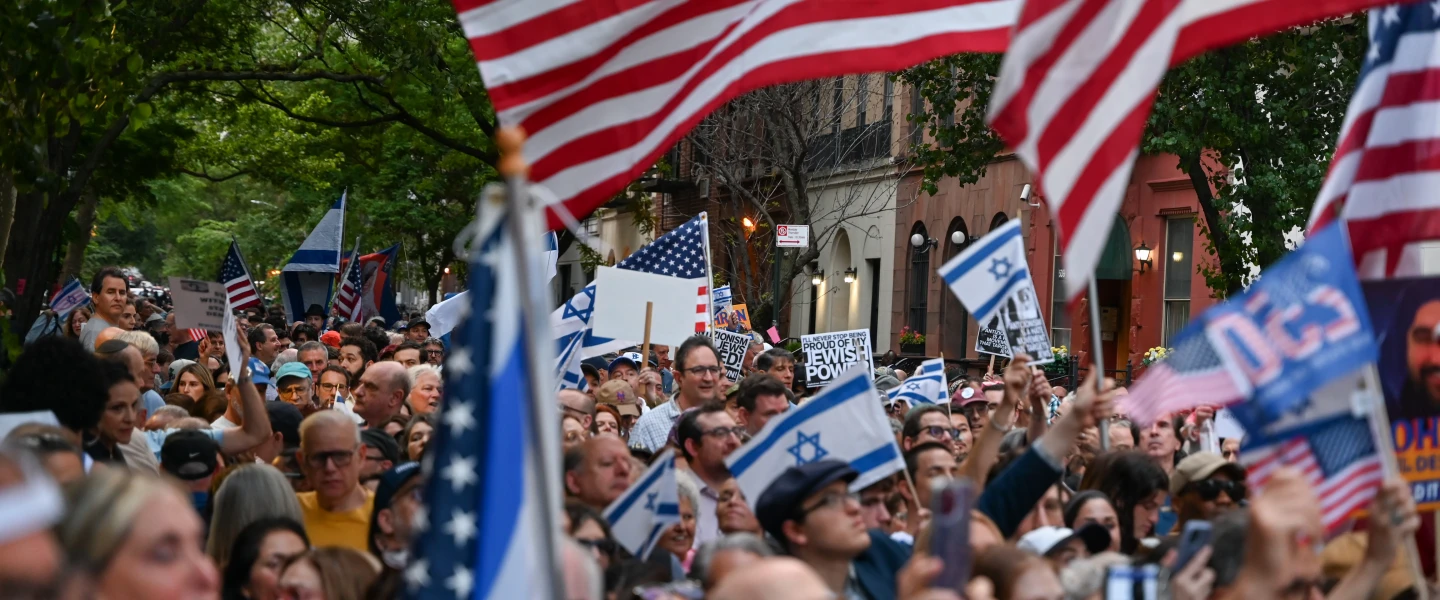
A recent meeting between 10 New York City rabbis and Mayor Zohran Mamdani on August 10, arranged by the mayor's office, addressed concerns over his anti-Israel and anti-Zionist rhetoric and its impact on the safety of the city's Jewish community. The New York Times characterized the rabbis' approach as "calm and respectful," with participants reportedly urging Mamdani to "soften his rhetoric" and add "complexity" to his messaging. One rabbi stated, "If instead of vilifying Israel, you spoke constructively, in measured tones—that would move the needle more than anything else." However, the article criticizes this approach, arguing that given Mamdani's consistent antagonism, including calling AIPAC "monsters" and the Israeli Prime Minister a "war criminal," a more confrontational stance was warranted. The author contends that in 2026, New York City's Jewish community should demand, not plead for, their inherent rights to safety and security.
© All rights to the original article belong to the source. Din Online shows a headline, an excerpt and a link only. The objectivity rating is computed automatically and is an estimate only.
Discussion
No comments yet — be the first to comment.