Beyond the final whistle
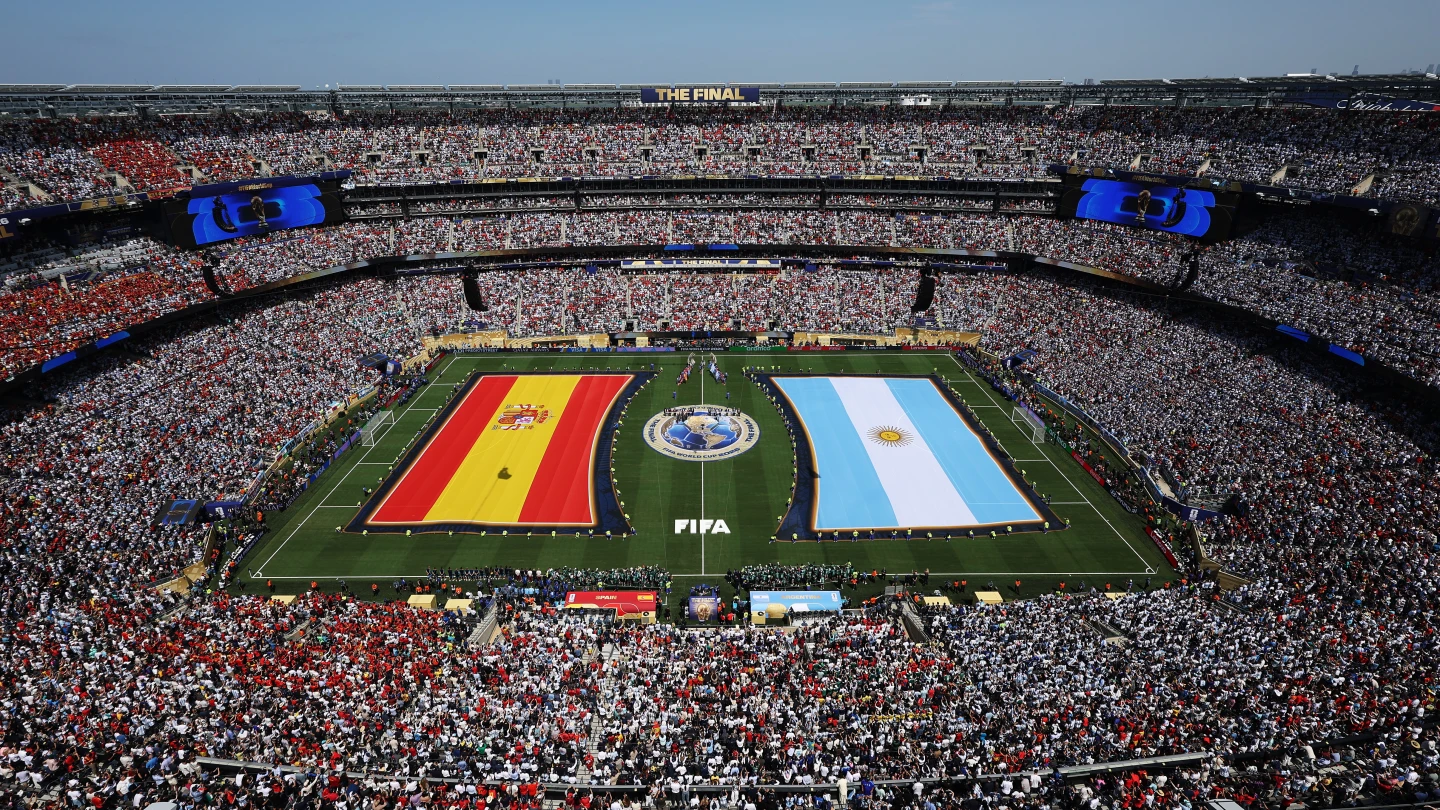
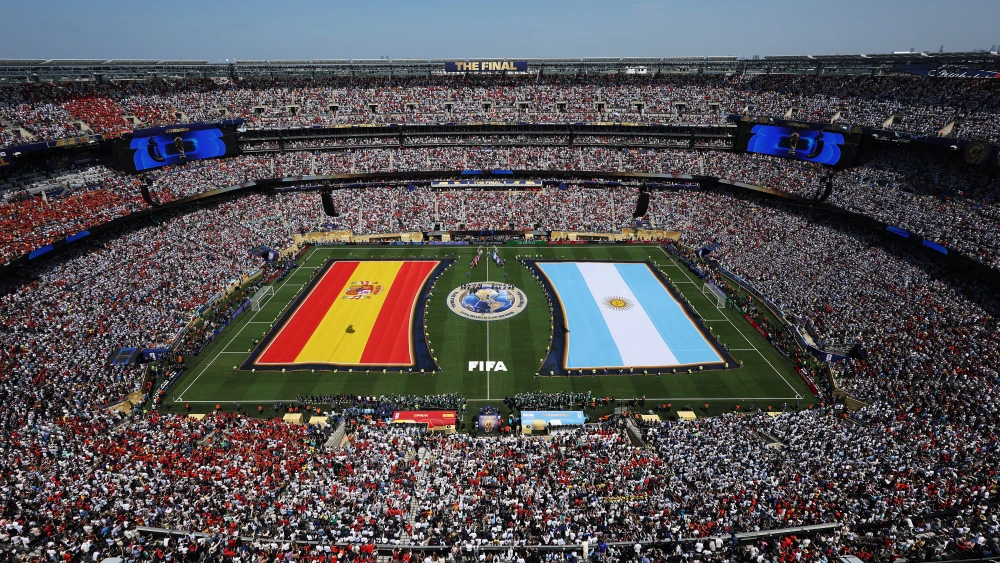

For a few remarkable weeks, the World Cup reminded us of something we too often forget.
Billions of people from every continent, religion, political system and culture came together to celebrate excellence. We speak different languages, vote for different governments, worship differently—or not at all—yet for 90 minutes at a time, none of that mattered. We simply enjoyed the beauty of the game.
Then the tournament ended, and the reality of the world returned.
One match, in particular, seemed to capture the challenge of our time. The Egypt-Iran match in Seattle became the center of international controversy after it was designated a Pride Match by the local organizing committee. Two nations whose laws and cultural traditions reject same-sex relationships objected strongly to the designation. At the same time, the host city viewed the celebration as an expression of its own values. Each side believed it was defending principles it considered fundamental.
The irony ran deeper: Israel wasn’t on the field. So, ironically, the only Middle Eastern country with longstanding Pride celebrations and broad legal protections for LGBTQ people was absent.
Egypt qualifies for the World Cup through Africa. Iran qualifies through Asia. Israel, although geographically part of the Middle East, has for decades competed in the Union of European Football Associations after political hostility from many of its neighbors made normal competition within Asia impossible. As a result, Israel must earn its place against many of Europe’s strongest teams, making its road to the World Cup especially difficult. It is another reminder that, in the Middle East, politics and sports have rarely been entirely separate.
Shortly after the Egypt-Iran game came another painful reminder that the divisions extending beyond sport remain very real. A Berlin Pride celebration was transformed into a scene of terror when Abdul Ballout, whom German prosecutors say pledged allegiance to the Islamic State and had a documented history of Islamist extremism, carried out a deadly attack that killed one person and injured many others. The attack raised difficult questions about whether known extremists in Europe are being adequately monitored before they can carry out acts of violence.
The contrast was striking: The Egypt-Iran Pride Match generated international controversy, diplomatic objections and public demonstrations long before a ball was kicked. Days later, after Egypt’s historic victory over Australia, head coach Hossam Hassan celebrated by waving a Palestinian flag and dedicating the victory to both the Egyptian and Palestinian people, demonstrating once again how quickly geopolitics can reassert itself even in moments of sporting triumph.
Then, only days later, an act of Islamist terror targeted Berlin’s Pride celebration. One event ignited debate. Another carried political symbolism onto the pitch. The third claimed innocent lives.
Beyond the immediate human tragedy, the attack raised a difficult question: Are we allowing those willing to intimidate, threaten or kill to dictate the world’s conversation?
That may be the more important issue.
The overwhelming majority of people simply want to live their lives, raise their families, practice their faith—or no faith at all—and pursue their hopes in peace. Yet time and again, the world’s attention is captured by those who embrace hatred, violence, and intimidation. Too often, extremists of every kind succeed in defining the public conversation for everyone else.
The World Cup offered a different vision.
For several weeks, billions of people demonstrated that it is possible to compete fiercely without abandoning our common humanity. Rival supporters stood together in airports, at restaurants and fan festivals and in public squares. Fans applauded remarkable performances even when they came from opposing teams. Excellence recognized excellence.
The players themselves became something more than athletes. Whether they realized it or not, they also became ambassadors for their nations. Every handshake after a match, every exchanged jersey, every conversation between competitors from countries with different histories, cultures, religions and political systems became a quiet act of sports diplomacy.
No treaty was signed. No formal agreement was reached. Clearly, understanding often begins long before governments sit down at a negotiating table. Sometimes it begins simply by seeing the person across from you not as an enemy or a stereotype, but as another human being. One can only hope those conversations, friendships and shared experiences continue long after the players return home, leaving behind a deeper appreciation of one another’s cultures, values, beliefs and shared humanity.
Perhaps that spirit should not disappear with the final whistle.
The challenge before us is not to eliminate our differences. Humanity has never agreed on every political, religious or cultural question and it never will. Nor should it. A free society depends upon the freedom to express sincerely held beliefs peacefully, even when those beliefs differ from our own. The true measure of a diverse society is not whether everyone thinks alike, but whether people who disagree profoundly can still live together in mutual respect, rejecting violence and refusing to surrender the public square to intimidation.
Sport cannot end wars. It cannot erase history or settle deeply rooted cultural disagreements. But it can remind us that before we are citizens of different nations, supporters of different causes or members of different faiths, we are human beings capable of sharing moments of joy, admiration, disappointment and hope.
The World Cup showed us what the world can look like when competition is guided by respect rather than hatred. Yet the tragic attack in Berlin shortly after the tournament reminds us how fragile that vision remains and how much work still lies before us.
Building peaceful, free and diverse societies is not the responsibility of governments alone. It belongs to every one of us through the conversations we choose to have, the respect we show those with whom we disagree, our willingness to defend the peaceful expression of sincerely held beliefs and our determination not to allow extremists to define the world for everyone else.
The final whistle ended the tournament. It does not have to end the conversations it began.








The recent World Cup highlighted both the potential for global unity and the persistent challenges of political and cultural divisions. While billions came together to celebrate the sport, an Egypt-Iran match in Seattle sparked controversy after being designated a Pride Match, drawing objections from both nations due to their cultural traditions. Ironically, Israel, a Middle Eastern country with established Pride celebrations, was absent from the field, competing in Europe due to regional political hostilities. The tournament also saw Egypt's coach wave a Palestinian flag after a victory, demonstrating how geopolitics can quickly reassert itself. Furthermore, a Berlin Pride celebration was targeted by an Islamist terror attack, raising questions about monitoring extremists. The article concludes that while sport cannot end wars, it can foster mutual respect and remind us of our shared humanity, urging continued dialogue and a refusal to let extremists define global conversations.
© All rights to the original article belong to the source. Din Online shows a headline, an excerpt and a link only. The objectivity rating is computed automatically and is an estimate only.
Discussion
No comments yet — be the first to comment.