יום שלישי, נובמבר 10, 2026 עברית|English Log in Free sign-up
LIVE
Record number of female MKs to be sworn in at ceremony for Israel's 26th KnessetNetanyahu in 'panic' over possibility of Eisenkot becoming prime minister, former aide saysPalestinian teenager killed, two other wounded by IDF fire in West Bank near Nablus – reportDiplomatic challenges from US, Europe, Iran, await Israel's next prime minister – analysisThree workers die at Tata's India iPhone parts factory in latest safety incidentJerusalem's L3 light rail line extended to Damascus Gate, stops added in downtown areaHaredi Newspaper: 'The right is no better than the left'Britain would prefer additional communication channels with Russia, Streeting saysThe prohibition against tattooingEisenkot's Bloc reaches deal on Knesset Speaker, key committee chairsUnable to pay teachers, PA cuts West Bank students’ classes for fourth year runningNew faces, new stories as Israel’s 26th Knesset convenesRecord number of female MKs to be sworn in at ceremony for Israel's 26th KnessetNetanyahu in 'panic' over possibility of Eisenkot becoming prime minister, former aide saysPalestinian teenager killed, two other wounded by IDF fire in West Bank near Nablus – reportDiplomatic challenges from US, Europe, Iran, await Israel's next prime minister – analysisThree workers die at Tata's India iPhone parts factory in latest safety incidentJerusalem's L3 light rail line extended to Damascus Gate, stops added in downtown areaHaredi Newspaper: 'The right is no better than the left'Britain would prefer additional communication channels with Russia, Streeting saysThe prohibition against tattooingEisenkot's Bloc reaches deal on Knesset Speaker, key committee chairsUnable to pay teachers, PA cuts West Bank students’ classes for fourth year runningNew faces, new stories as Israel’s 26th Knesset convenes
Security

Blockades and fees: Why are the US’s actions in Hormuz legal while Iran’s are not? – interview
יול 15, 2026 ·  Source: The Jerusalem Post 77Objectivity score77/100

Blockades and fees: Why are the US’s actions in Hormuz legal while Iran’s are not? – interview

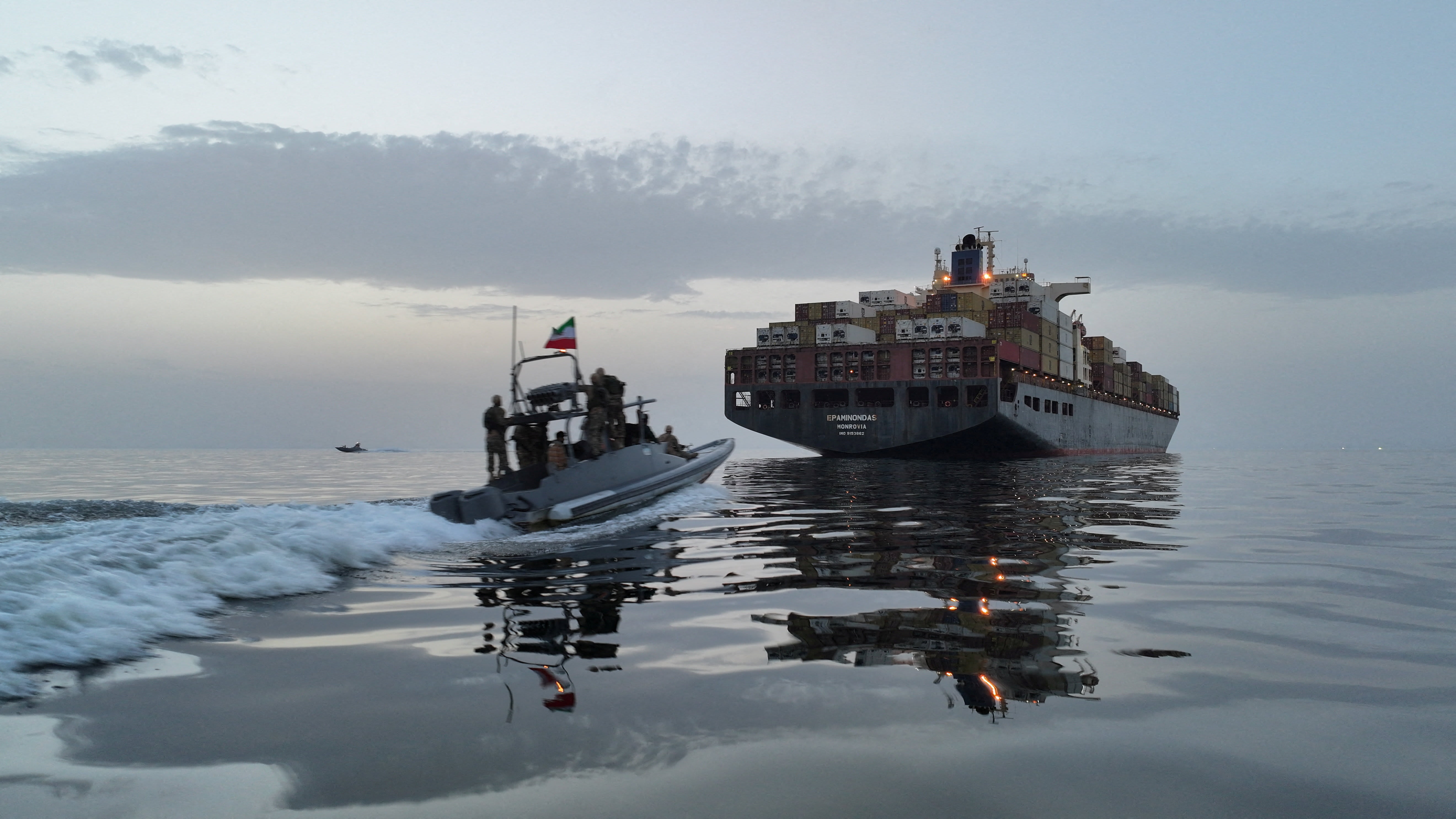
Though US President Donald Trump has since abandoned the idea, he suggested that vessels should pay a 20% fee on all cargo transiting the Strait of Hormuz in exchange for US military protection.

💬 רוצים להגיב ולהצטרף לדיון? הצטרפו — חינם, ומקבלים גם את הדיג׳סט השבועי.
🗞️ In-depth summary

According to Adv. Yoav Harris, the legality of blockades in the Strait of Hormuz hinges on adherence to international law, specifically the San Remo Manual and UNCLOS. While the US's blockade could be legal if it meets criteria like impartiality, effectiveness, and allowing humanitarian aid, Iran's actions are deemed illegal. Iran's blockade, announced March 4, 2026, is problematic because it failed to distinguish between enemy and neutral vessels, targeting all ships allegedly not coordinating with the regime. Harris stated, "If we look into what Iran did here, it was simply firing at vessels going through the Strait of Hormuz. It has no basis in international law. It is very close to what is defined as piracy." Additionally, Iran's intention to charge compulsory fees for transit and security services, even for routes closer to Oman, violates international law, as services cannot be forced upon vessels.

Automatically generated summary based on the original article; quotes are from the source.
This story is based on reporting by The Jerusalem Post.
Read the full article at the source →

© All rights to the original article belong to the source. Din Online shows a headline, an excerpt and a link only. The objectivity rating is computed automatically and is an estimate only.

Related

Discussion

No comments yet — be the first to comment.

Add a comment