Building Israel through aliyah
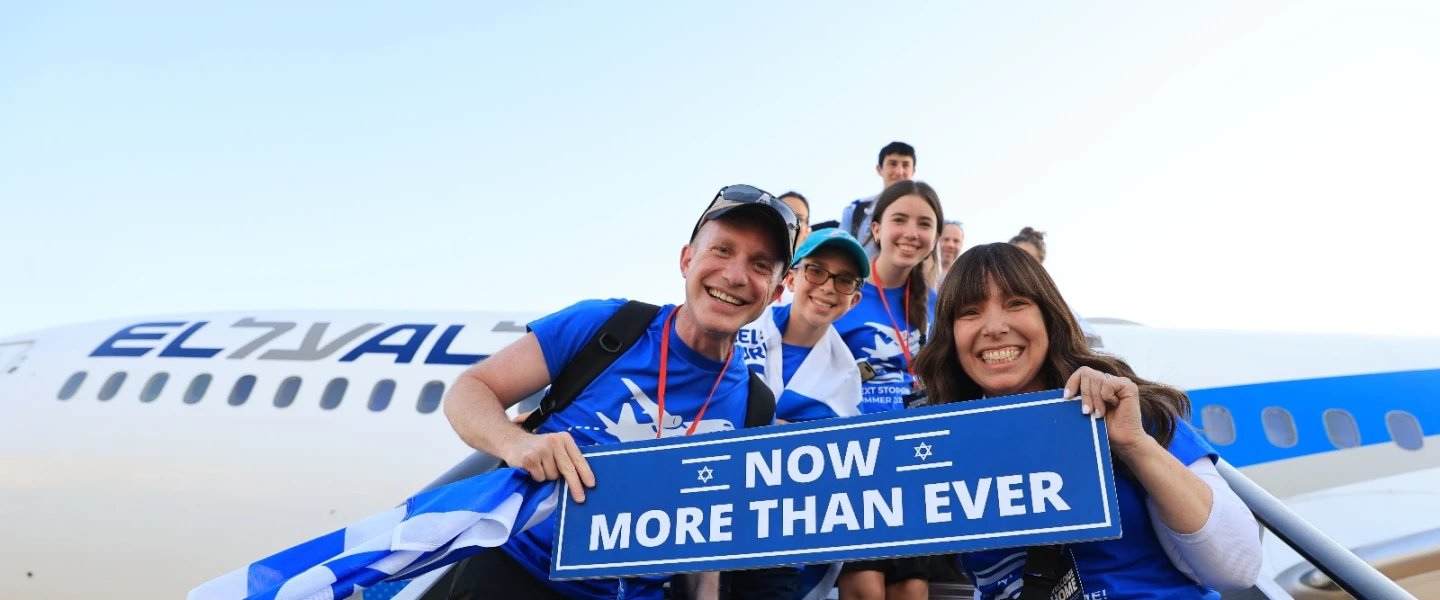
When Nefesh B’Nefesh (NBN) was founded in 2002, its mission was to help Jews from North America overcome the financial, professional, logistical and social obstacles to making aliyah and building successful lives in Israel.
More than two decades later, Nefesh B’Nefesh, in partnership with Israel’s Ministry of Aliyah and Integration, the Jewish Agency for Israel, Keren Kayemeth LeIsrael, and Jewish National Fund-USA, has helped 100,000 North American Jews make aliyah, a milestone that underscores the scale of its original mission. But the organization’s work today extends far beyond helping people get to Israel.

Today, NBN describes its activities through four pillars: Aliyah and Integration, National Development, National Service and Zionist Education. Together, they reflect a broader vision in which aliyah is not simply the movement of people to Israel, but a resource for strengthening Israeli society.
“Aliyah can be a direct response to many of Israel’s national needs,” Marc Rosenberg, vice president of Diaspora Partnerships at NBN, told JNS recently. “Whether it’s shortages in the healthcare system, gaps in the periphery, or support for our soldiers, Aliyah has become a tool for national resilience.”
Rosenberg, an experienced educator who made aliyah 25 years ago, has been with NBN for 18 years. He has watched the organization evolve from a groundbreaking aliyah facilitator into a strategic partner working with Israeli institutions to address national priorities.
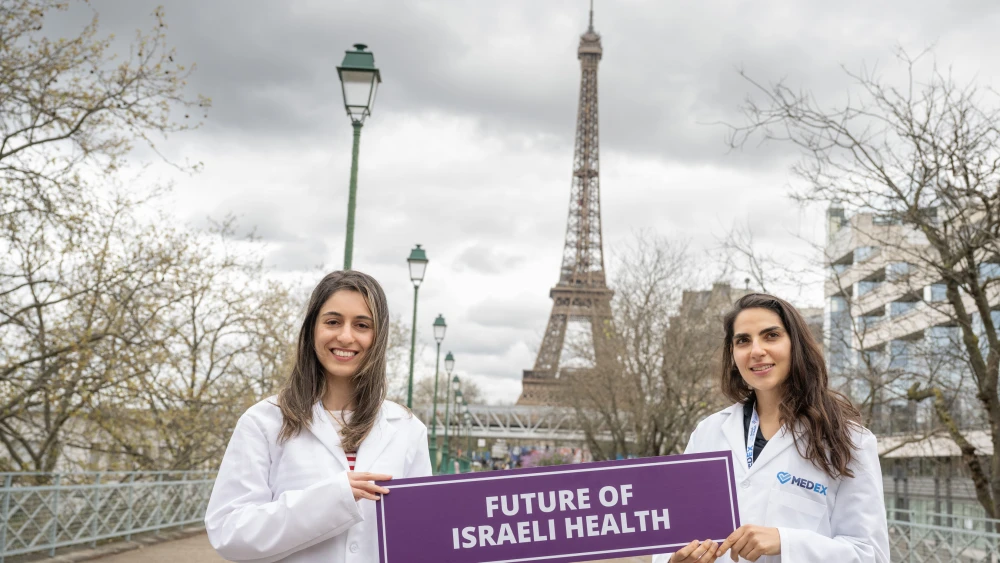
The first pillar, Aliyah and Integration, remains at the core of the organization. But even here, the approach has evolved. NBN increasingly focuses on helping people whose professional expertise can meet specific Israeli needs.
Healthcare provides one example.
Israel faces a growing shortage of physicians, and NBN has responded by expanding its International Medical Aliyah Program, in partnership with Israel’s Ministries of Aliyah and Integration; Health; Negev, Galilee, and National Resilience; and The Jewish Agency for Israel.
The initiative aims to facilitate the aliyah and professional integration of 2,000 physicians over five years by helping foreign-trained doctors navigate licensing, employment and other bureaucratic hurdles.
“Qualified physicians from around the world are an untapped resource,” Rosenberg said. “By reducing bureaucratic obstacles, we’re turning aliyah into a fast-track solution for national health priorities.”
The second pillar, National Service, reflects another dimension of that approach.
NBN supports thousands of lone soldiers and National Service volunteers, providing resources, guidance and programming for young people who make aliyah and are then required to serve in Israel, oftentimes without immediate family support. Its Lone Soldiers Program began in 2011 in partnership with Friends of the IDF and has since expanded to support lone soldiers from around the world.
“Our goal is to ensure they’re not just serving, but thriving,” Rosenberg said.
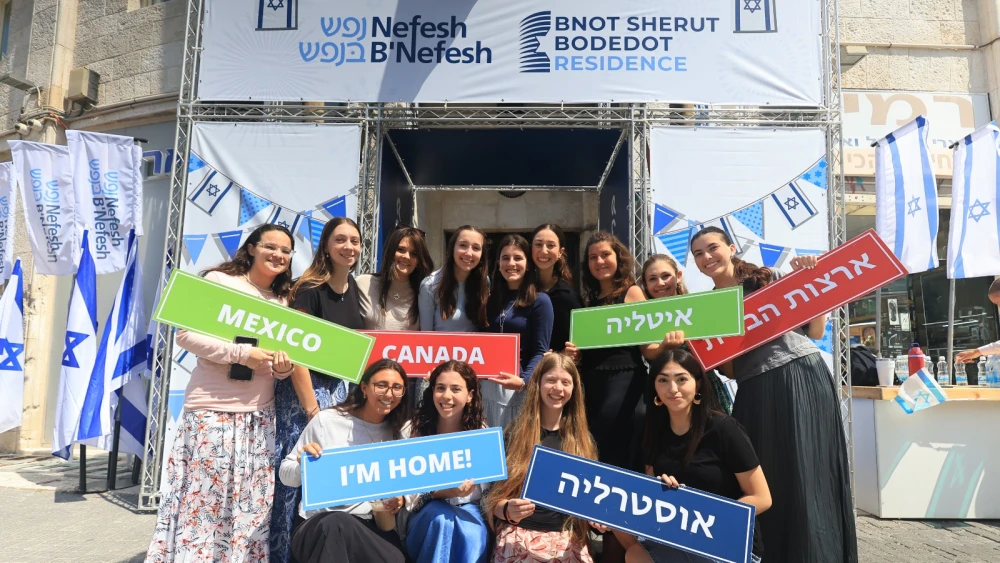
The third pillar, National Development, focuses on where new Israelis can make the greatest difference.
Through initiatives such as Go Beyond, NBN encourages olim (immigrants) to establish their homes and careers in Israel’s northern and southern regions. Financial assistance, employment guidance and community-building support are intended to make it easier for families and professionals to put down roots in the Negev and Galilee.
“These regions are full of potential but lack professionals in key sectors like healthcare, education and technology,” Rosenberg said. “Aliyah can be a lever for growth in places where it’s most needed.”
He noted that Israeli mayors are approaching NBN about ways to attract new residents and expand their communities.
The fourth pillar, Zionist Education, addresses the relationship between Israel and Jewish communities around the world.
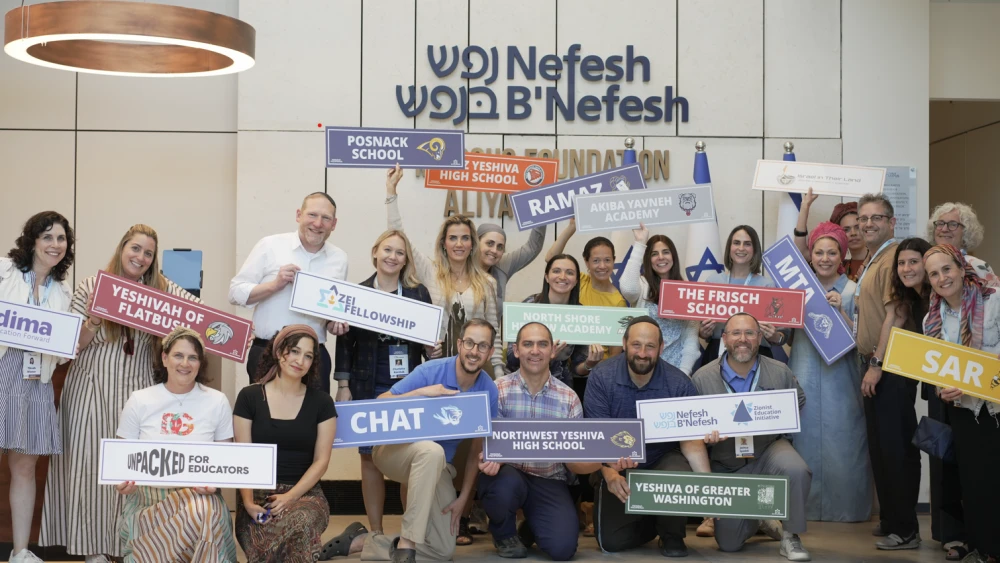
Through educational programs, NBN seeks to foster meaningful conversations about Zionism and Jewish identity, in Israel and abroad. The goal is to prepare people not simply to move to Israel, but also to understand their potential role in the country’s future.
“Education is how we ensure that aliyah isn’t just a one-time event, but a lifelong journey of contribution,” Rosenberg said.
The organization’s Bonei Zion Prize embodies that concept. Established in 2014, it recognizes outstanding English-speaking olim whose accomplishments have made a significant contribution to Israel.
The first Lifetime Achievement Award went to Prof. Shimon Glick, who made aliyah in 1974, nearly three decades before NBN existed.
Glick left a successful medical career in the United States to help establish Ben-Gurion University of the Negev’s Faculty of Medicine. He went on to become chairman of the Division of Medicine and dean of the Faculty of Health Sciences, while helping develop an innovative approach to medical education that introduced students to patients from the beginning of their studies.
He also became a leading authority on Jewish medical ethics and served for more than a decade as ombudsman for Israel’s Health Ministry.
Glick is therefore more than an award recipient. He exemplifies NBN’s current vision: The aliyah journey does not end when an oleh arrives in Israel. It can begin a lifetime of building, serving, educating and strengthening the country.
“Every oleh brings more than just a suitcase; they bring skills, passion and purpose,” Rosenberg said. “By aligning our programs with Israel’s national priorities, we’re not only helping individuals build their future in Israel, but we’re helping Israel build its future.”
From hospitals and classrooms to National Service and communities in Israel’s geographic periphery, NBN is increasingly measuring its mission not only by how many people arrive, but by what those olim contribute once they do.
Aliyah may have been the starting point. For NBN today, it is also a means of building Israel.

Get the latest updates in our WhatsApp group.






Nefesh B’Nefesh (NBN), in partnership with various Israeli and Jewish organizations, has facilitated the aliyah of 100,000 North American Jews since its founding in 2002. The organization is now expanding its mission beyond immigration assistance to address Israel’s national needs in healthcare, national service, and peripheral development. Marc Rosenberg, NBN’s Vice President of Diaspora Partnerships, stated, “Aliyah can be a direct response to many of Israel’s national needs.” NBN’s work is structured around four pillars: Aliyah and Integration, National Development, National Service, and Zionist Education.
- Aliyah and Integration: Focuses on attracting professionals, particularly in healthcare, through programs like the International Medical Aliyah Program, which aims to integrate 2,000 physicians over five years by streamlining licensing and employment.
- National Service: Supports thousands of lone soldiers and National Service volunteers with resources and guidance.
- National Development: Encourages immigrants to settle in Israel’s northern and southern regions (Negev and Galilee) through initiatives like Go Beyond, offering financial aid and employment guidance to address professional shortages in these areas.
- Zionist Education: Fosters discussions about Zionism and Jewish identity to prepare immigrants for their role in Israel’s future, exemplified by the Bonei Zion Prize which recognizes significant contributions by English-speaking olim.
NBN aims to leverage aliyah as a strategic tool for national resilience and growth, measuring success not just by arrivals but by immigrants' contributions to Israeli society.
© All rights to the original article belong to the source. Din Online shows a headline, an excerpt and a link only. The objectivity rating is computed automatically and is an estimate only.
Discussion
No comments yet — be the first to comment.