California state legislature to decide on six bills ‘critically important’ to Jews
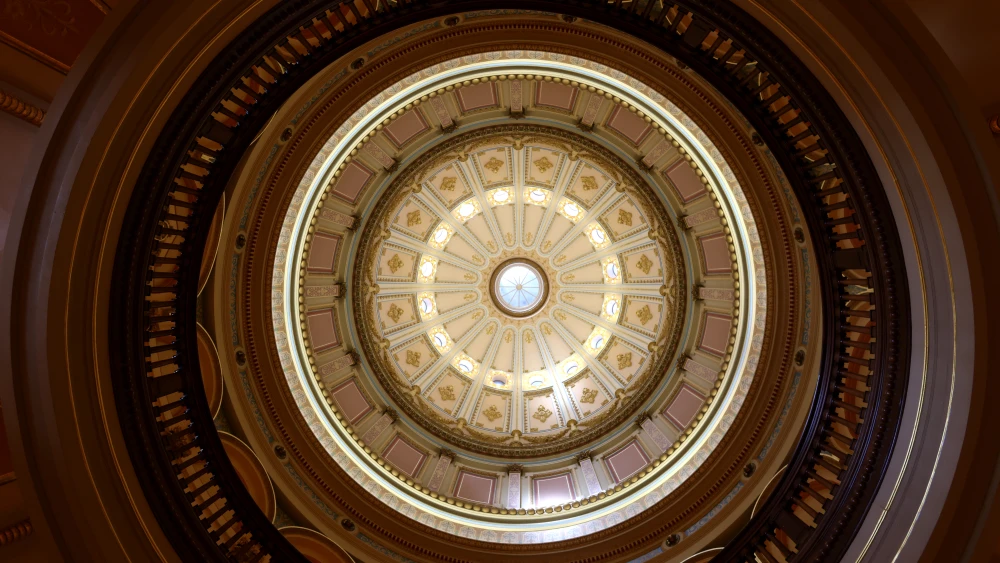
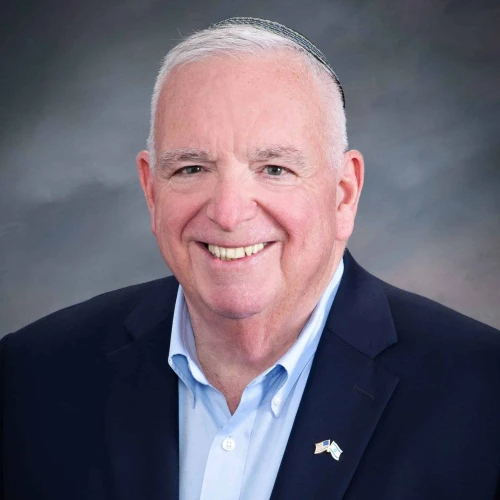
As the High Holidays loom, the fates of six bills that are “critically important” to California Jews will be decided before the state legislature on Thursday, David Bocarsly, CEO of Jewish California, told JNS.
“In one hearing, we’re going to figure out ‘who shall live and who shall die.’ It’s like a Yom Kippur question,” he told JNS. “There’s a lot of momentum heading into the final floor votes if they pass.”
The central High Holiday “Unetaneh Tokef” prayer states, in part, “Who will live, and who will die? Who in their time, and who in an untimely manner?”
The six bills are slated to come before the California Assembly Appropriations Committee and the California Senate Appropriations Committee, which will decide whether the state can afford the associated costs.
If the bills make it through committee, they will go to a floor vote of the Assembly or Senate over the next couple of weeks, according to Bocarsly.
Unlike other committees, “the appropriations committee is not so transparent,” Bocarsly told JNS. “Decisions are oftentimes made by only a select few lawmakers behind closed doors based on what bills they want to move forward.”
“They can ultimately decide that any bill can’t move forward because of ‘costs’ even if there are other reasons, and we might never know why or why not,” he said.
The Jewish California sponsored all six bills. AB 2664 calls for 100-foot, protest-free buffer zones around entrances and exits to houses of worship, and AB 1836 expands the California Nonprofit Security Grant Program to include offsite events for eligible nonprofits.
AB 1853 bars hateful content in candidate statements in official voter guides, and AB 395 requires public schools and agencies to try to avoid scheduling major events, like graduations and public meetings, on holidays like Rosh Hashanah and Yom Kippur.
AB 1763 excuses absences of religious students in public schools for holidays without requiring written parental requests and principal approvals, and SB 1387 calls upon state agencies to recognize Jews as an ethnicity under state law and in data collection.
Each bill “addresses a different part of the Jewish community’s needs,” some “emergent needs” and others “longstanding issues,” Bocarsly told JNS.
He thinks it will be a “big disappointment” if the bills don’t pass.
“My argument with each of these bills is that they have minimal costs,” he told JNS. “There shouldn’t be a reason why the state says that they can’t afford these bills when they are good policy.”
“We’re doing all we can to make sure the legislature understands how important they are to the community,” he told JNS.
A spokesman for the California Legislative Jewish Caucus told JNS it is prioritizing five of the six bills and doesn’t have a position on the sixth, the one that automatically lets religious public school students sit out class on religious holidays.
The caucus is also focused on another bill, AB 1803—one upon which Jewish California told JNS it has no position.
That bill requires employers with five or more employees to include anti-hate-speech training as part of their workplace sexual harassment training.
Jesse Gabriel, a Democratic state Assembly member and chair of the caucus, told JNS that “we are proud of the work the caucus has done to advance Jewish community priorities and grateful for the partnerships of so many Jewish organizations, grassroots leaders and community leaders.”
“While we remain optimistic that these bills will move forward, we will continue to fight to advance our community’s priorities, regardless of the outcome in the Appropriations Committee,” he told JNS.

Get the latest updates in our WhatsApp group.
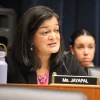

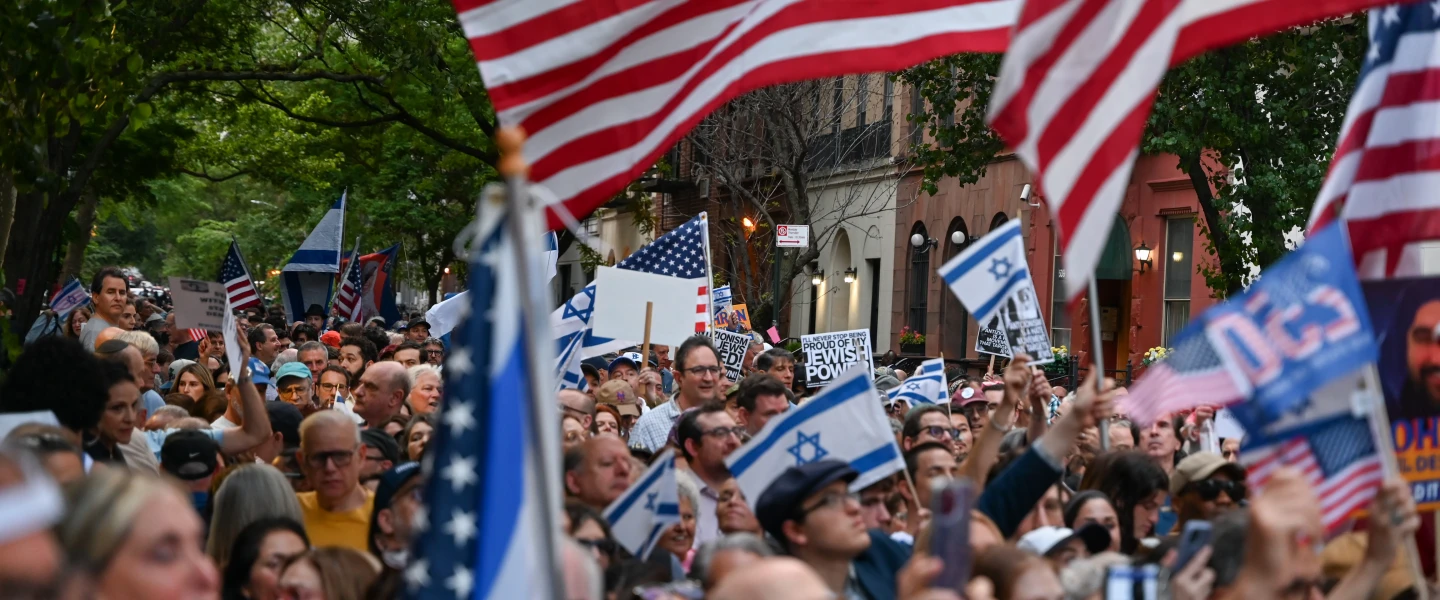

Six bills "critically important" to California Jews are scheduled for a vote before the California Assembly and Senate Appropriations Committees on Thursday. David Bocarsly, CEO of Jewish California, which sponsored all six bills, stated, "In one hearing, we're going to figure out 'who shall live and who shall die.' It's like a Yom Kippur question." The bills address various needs, including:
- Establishing 100-foot protest-free buffer zones around houses of worship (AB 2664).
- Expanding the California Nonprofit Security Grant Program to include offsite events (AB 1836).
- Barring hateful content in candidate statements in official voter guides (AB 1853).
- Requiring public schools and agencies to avoid scheduling major events on holidays like Rosh Hashanah and Yom Kippur (AB 395).
- Excusing absences of religious students in public schools for holidays without requiring written parental requests and principal approvals (AB 1763).
- Calling upon state agencies to recognize Jews as an ethnicity under state law and in data collection (SB 1387).
The Appropriations Committees will decide if the state can afford the associated costs, with Bocarsly arguing the bills have "minimal costs." The California Legislative Jewish Caucus is prioritizing five of the six bills, not taking a position on AB 1763, and is also focused on AB 1803, which requires anti-hate-speech training in workplaces.
© All rights to the original article belong to the source. Din Online shows a headline, an excerpt and a link only. The objectivity rating is computed automatically and is an estimate only.
Discussion
No comments yet — be the first to comment.