Danube water crisis pushes European nuclear plants toward shutdown
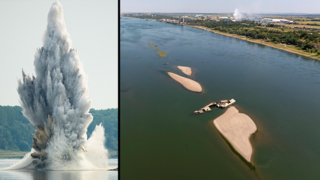
Romania blasted apart a river rock to redirect cooling water, while Hungary imposed emergency restrictions as drought, extreme heat and record-low water levels crippled power generation
Central and Eastern European countries are facing an energy crisis due to critically low water levels in the Danube River, caused by persistent drought and heatwaves. This has pushed nuclear power plants, which rely on Danube water for cooling, to the brink of shutdown. Hungary's Paks plant, generating nearly half the country's electricity, operated at significantly reduced capacity, prompting Prime Minister Péter Magyar to warn of a potential complete shutdown. In Romania, authorities blasted a rock to divert water to the Cernavodă nuclear plant, which is operating at half capacity, and plan to build a temporary dam. Acting Prime Minister Ilie Bolojan declared a national state of alert, urging reduced electricity use and announcing production halts for automakers. Serbia's main hydroelectric station is also at 20% capacity, leading Prime Minister Đuro Macut to call for reduced appliance use. The crisis highlights Europe's vulnerability to climate change, with the continent warming faster than any other and experiencing increased droughts and wildfires.
© All rights to the original article belong to the source. Din Online shows a headline, an excerpt and a link only. The objectivity rating is computed automatically and is an estimate only.
Discussion
No comments yet — be the first to comment.