Deal said in the works to revive US-Iran MOU, open Hormuz for 60 days without fees
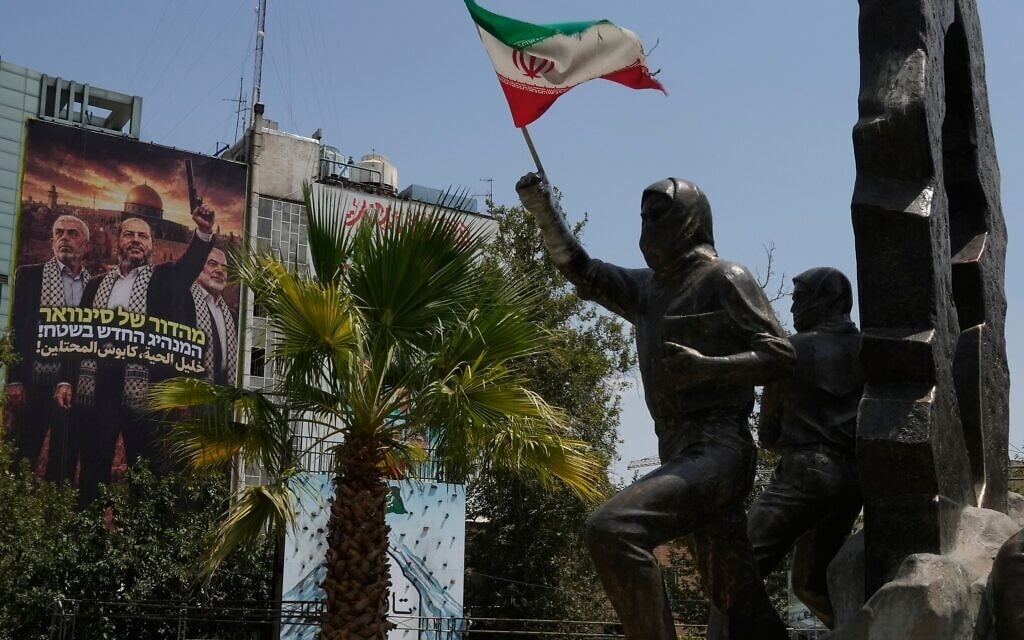
A deal is being mediated to return the United States and Iran to the memorandum of understanding the two countries signed last month, sources aware of the details told Channel 12 on Sunday.
The deal would ensure that the Strait of Hormuz remains open for 60 days without fees and renew a ceasefire between the two sides, according to the report.
Around the same time, Iranian state media said negotiations between Iran and Oman over a mutual mechanism to govern the strait were in their final stages.
The US-Iran memorandum obligated Iran to fully open the strait “for 60 days only,” and did not impose restrictions after that.
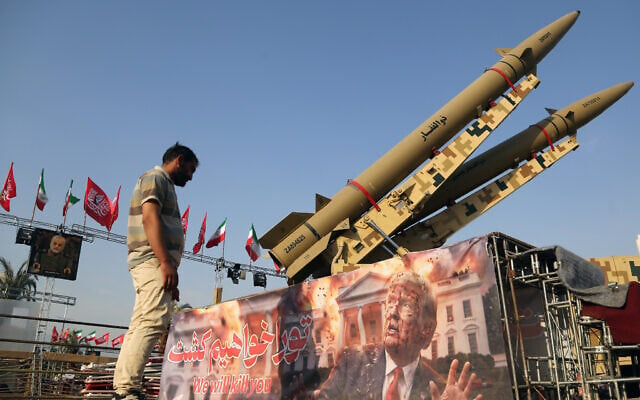
It collapsed amid competing claims over Hormuz, with US President Donald Trump insisting the strait would be open, while Tehran believed the deal allowed it to dictate the route taken by ships through the key waterway.
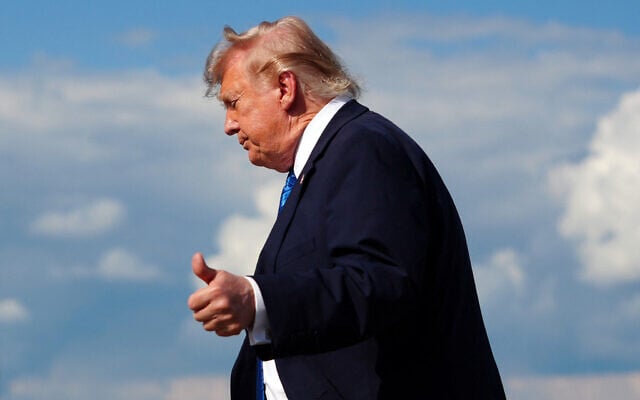
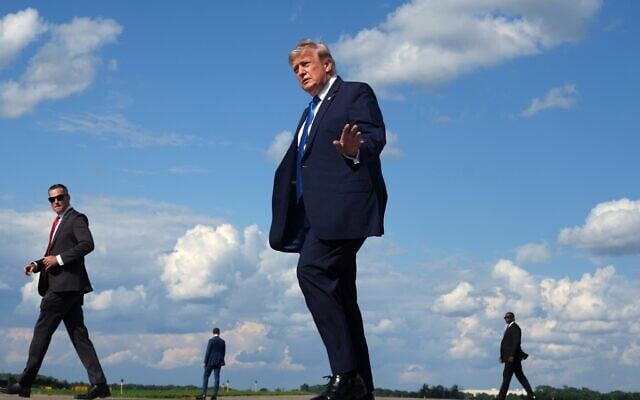
Late Saturday, Trump said Iran had agreed to open the strait and announced that he had called off a major attack on the Islamic Republic, adding that Israel was on board. Tehran denied there was a deal.
According to Channel 12, Israel was to be part of the attack, which was called off about 24 hours before it was set to begin, and only learned that it would not be carried out after Trump published a message to that effect in a social media post.
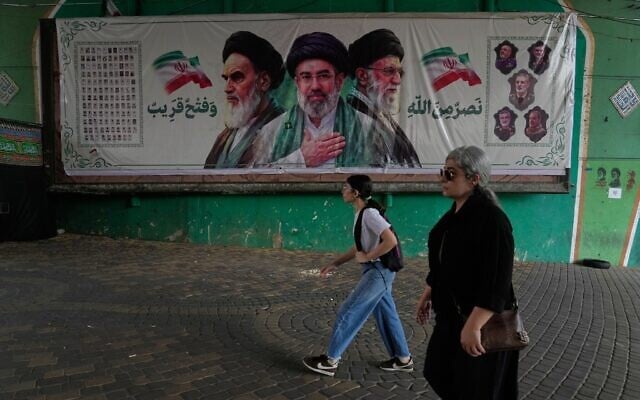
Planning for the attack began on Wednesday, a day after Prime Minister Benjamin Netanyahu met with Trump at the White House, according to the report.
The US Central Command prepared an attack plan on Iranian energy infrastructure. “Israel was supposed to be part of the plan,” a US official told Channel 12.
Israel told the US that if the attack did not significantly damage Iranian economic and regime targets, there would be no point in carrying it out.
On Friday and Saturday, Qatar engaged in intensive talks with Iran, the US, and Oman to try to head off the attack and open up the Strait of Hormuz, according to the report.
Qatari officials told Trump on Saturday that they needed another day to reach a solution with Iran, and he agreed. Later in the day, Qatar told Trump that Iran had agreed to a proposal to open the Strait.
Meanwhile, Saudi Crown Prince Mohamed Bin Salman called Trump to urge him not to strike, and Trump then posted on Truth Social that he was calling off the attack and that Iran had agreed to open the strait and end its nuclear program.
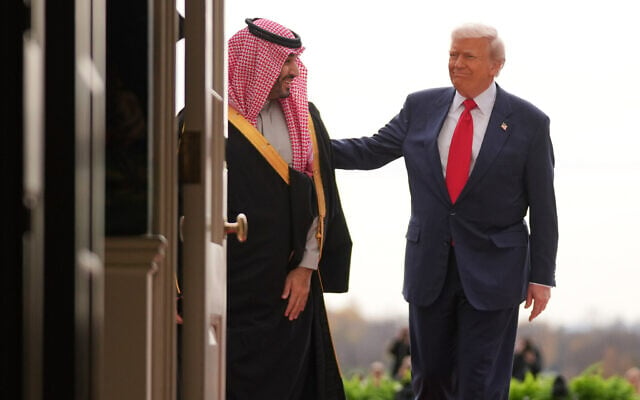
According to the report, neither Israel nor the US military’s Central Command were told of Trump’s decision, and learned of it – along with the rest of the world – by way of the president’s social media post.
Netanyahu, Defense Minister Israel Katz, and other senior officials reportedly thought the statement was an attempt to lull the Iranians into a false sense of security.
Israel was left in the dark for hours about the expected joint attack with US, senior defense and diplomatic officials told Channel 12.
“For hours, we were in real uncertainty,” a senior official said. “President Trump left us in the fog. Senior officers were updated about what was happening via Trump’s social media.”
Eventually military and diplomatic officials were able to reach their American counterparts to verify that Trump had indeed changed his mind about the strike, the report said.
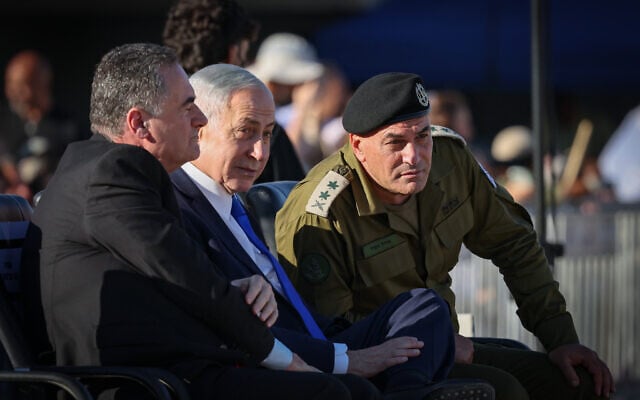
“The feeling was that they left us behind,” said the senior Israeli official.
“The moment we lower our alert level, it takes a lot of time to reorganize,” the source continued. “It is frustrating to commit all our resources to one theater, and then to discover that we had been on high alert for nothing. We don’t understand what the president’s endgame is.”
However, Israel believes Trump could change his mind in an instant, and Israeli forces remain on high alert, the report said.
The Wall Street Journal reported Sunday that, while Saudi Arabia had pushed Trump to refrain from a major attack on Iran over the weekend, the United Arab Emirates had lobbied him to take more decisive action.
The report, which cited senior Gulf officials familiar with the discussion, said the UAE argued that the IRGC would not budge on its demands without an escalation by the US, including Washington taking control of the Strait of Hormuz and possibly launching a ground incursion.
The UAE has carried out its own strikes against Iran, and hosted Israeli air defense troops on its soil to help counter Iranian attacks.

The war with Iran has been draining for all of us in Israel. But when I heard about a high casualty incident – ballistic missile impacts in Arad and Dimona that left nearly 200 people wounded – I drank a cup of coffee, packed a bag, and headed south.
There, I spoke with Shilgit, the head of an after-school program for underprivileged youth. Standing outside her destroyed center, Shilgit said it was a miracle that no children were hurt and spoke about the community coming together in the hours since.
As a Times of Israel reporter, I’m committed to telling stories of resilience like Shilgit’s. But my colleagues and I can't do this alone. If you value work like this, please consider joining our reader support group, The Times of Israel Community. Your financial support is essential to keep real human reporting like this going.
— Stav Levaton, military reporter

We’re really pleased that you’ve read X Times of Israel articles in the past month.
That’s why we started the Times of Israel – to provide discerning readers like you with must-read coverage of Israel and the Jewish world.
So now we have a request. Unlike other news outlets, we haven’t put up a paywall. But as the journalism we do is costly, we invite readers for whom The Times of Israel has become important to help support our work by joining The Times of Israel Community.
For as little as $6 a month you can help support our quality journalism while enjoying The Times of Israel AD-FREE, as well as accessing exclusive content available only to Times of Israel Community members.
Thank you, David Horovitz, Founding Editor of The Times of Israel




A deal is reportedly being brokered to revive a US-Iran memorandum of understanding, ensuring the Strait of Hormuz remains open for 60 days without fees and renewing a ceasefire. This follows US President Donald Trump's decision to call off a planned attack on Iran, which Israel was reportedly part of, after Qatar mediated talks where Iran allegedly agreed to open the strait. Israeli officials, including Prime Minister Benjamin Netanyahu, were reportedly not informed of Trump's decision in advance, learning of it through his social media post, leading to frustration and uncertainty. A senior Israeli official stated, "President Trump left us in the fog." While Saudi Arabia urged Trump not to strike, the UAE reportedly lobbied for more decisive action against Iran.
© All rights to the original article belong to the source. Din Online shows a headline, an excerpt and a link only. The objectivity rating is computed automatically and is an estimate only.
Discussion
No comments yet — be the first to comment.