Even in the darkest moments of history, people love
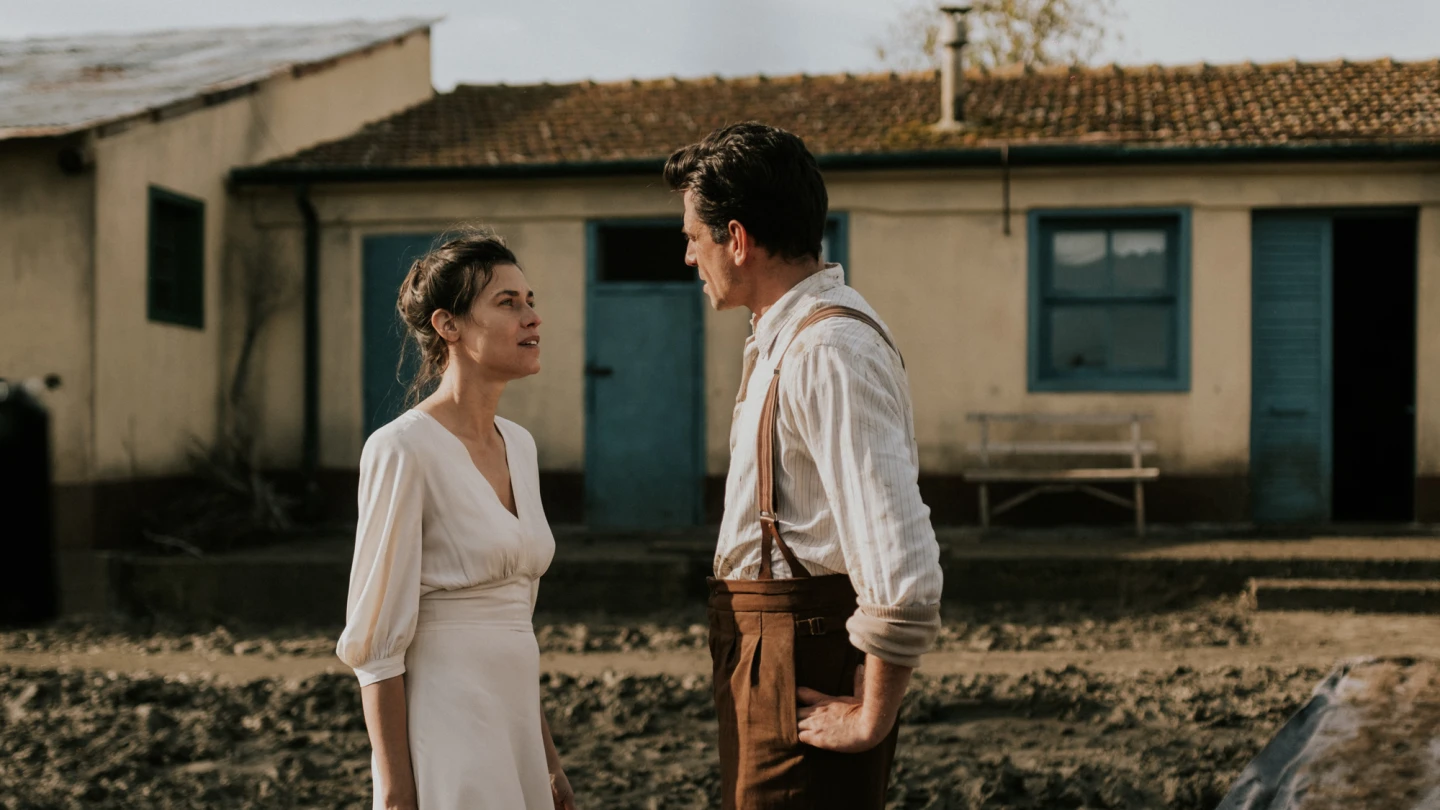
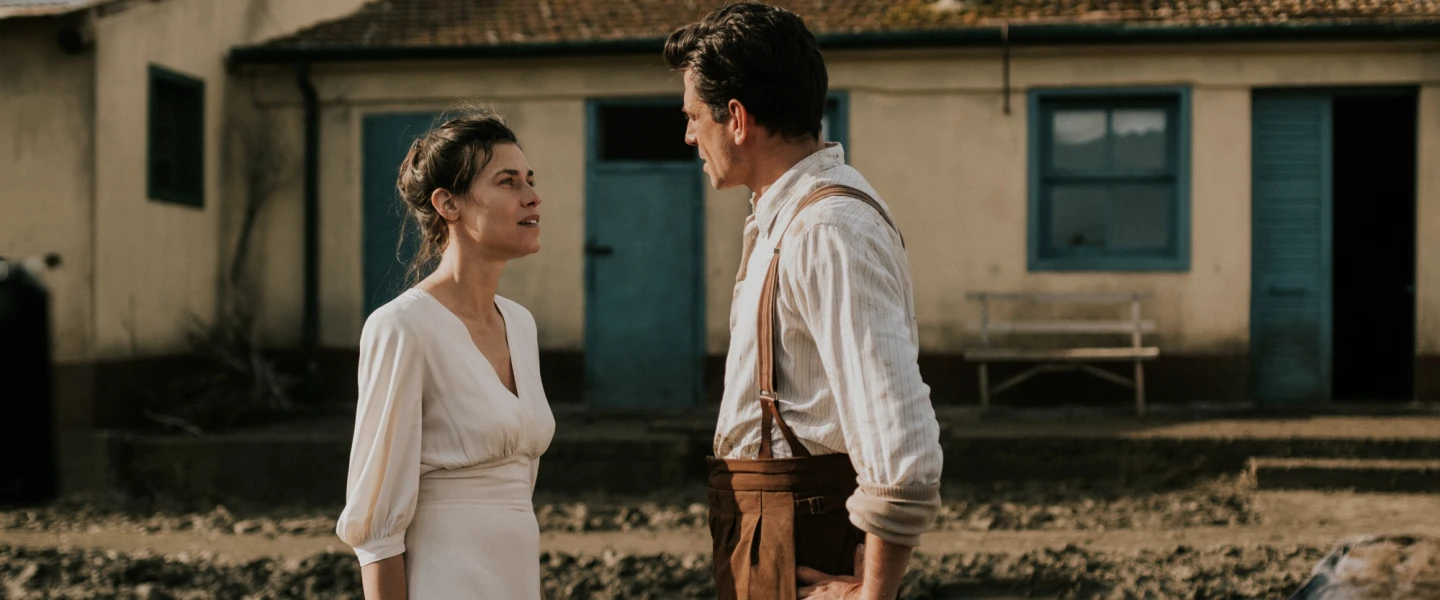
Look up the word “tough” in the dictionary (if people do such things anymore), and you might just find a picture of an Israeli. Tougher yet, an Israeli woman. Hardened by circumstances, history, work, wifedom, motherhood, and loss after loss, they have come to symbolize the sabra, a desert cactus—prickly to the core.
Nobody knows this better than an Israeli man.
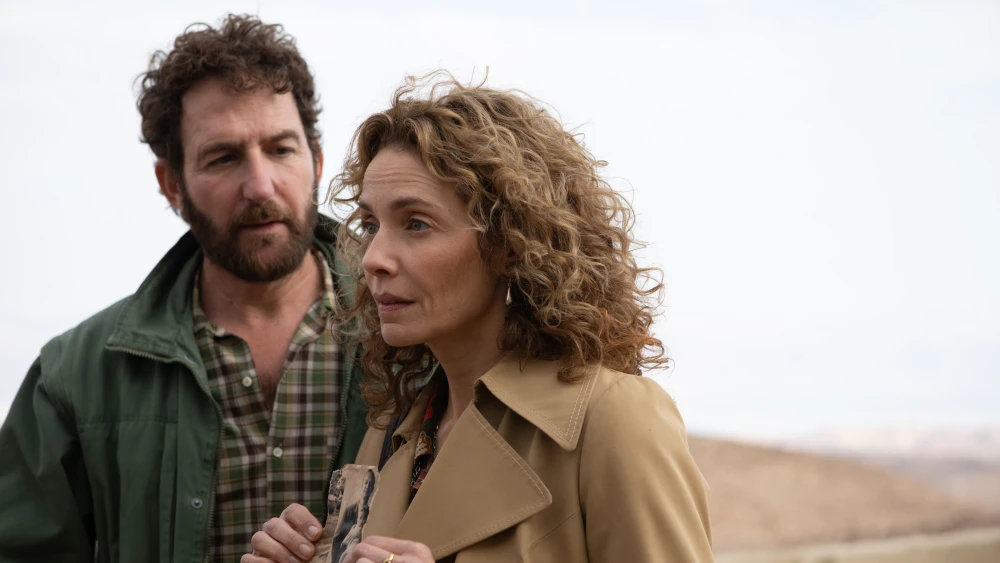
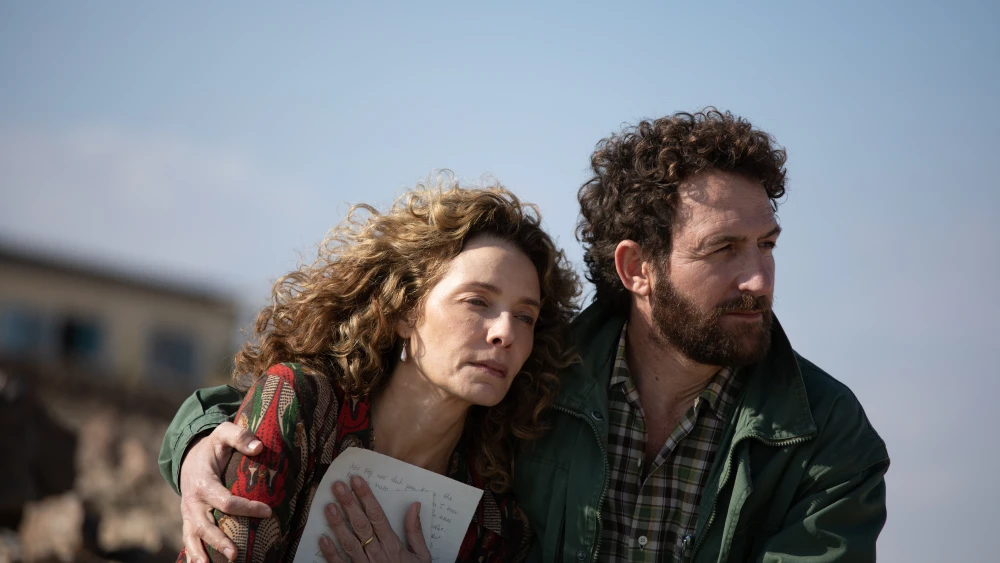
That, in short, is the theme of a new movie in English and Hebrew, “For the Love of a Woman,” released in mid-July. It’s based on The Loves of Judith, a 1994 novel by Israeli writer and newspaper columnist Meir Shalev, who died in April 2023, just months before the editing of the film finished in September.

The story opens in Rhode Island in 1978, with two estranged sisters in a hospital waiting room, struggling to make small talk as their mother lay dying. The elder one, Esther (“Etty”) Horwitz—divorced, no children and working as a self-described stewardess in San Francisco—is handed a small white Styrofoam cup of vending-machine coffee, peers into it and says blankly, “there’s milk in it.”
She throws her married sister with children a sour look—meant for someone who should know her better—setting the stage for disappointment to come.
Esther is willed a handwritten letter from their mother, along with an enclosed Yemenite pendant, dated Oct. 4, 1932, and a torn photo of her as a baby with their father in Haifa, in what was then British Mandatory Palestine.
It’s a mystery of sorts, instructing Esther to travel back to her birthplace to find a woman named “Yehudit” and some answers to the reason that she never quite fit into her family—and her own skin.
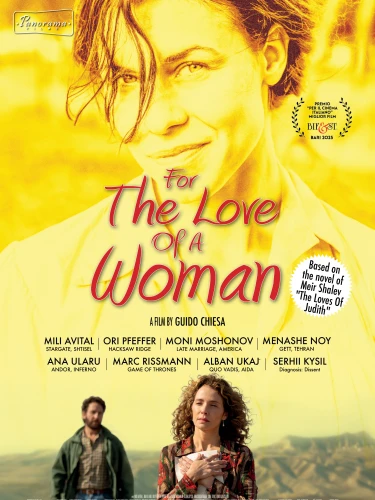
“When I first read her part, I thought, she’s so annoyed—and so annoying,” said Mili Avital, 54, the Israeli actress who played the part of Esther. “But when you’re far from your own truth, you’re unsettled. It’s almost like there’s a piece missing. And she doesn’t understand the source of it, which this journey she’s embarking on is all about. It’s going to bring her to the truth.”
People, she notes, came from Europe with such tragedies behind them—there was a lot of mystery.”
The story weaves its way from the 1970s and Esther to the 1930s and Yehudit.
Avital, who was born in Jerusalem, where some of the scenes take place, said one of the challenges of the project was to pretend that the city was new to her and that she didn’t know the Hebrew language. She said she tried to relate to having no sense of place.
Her character is an outlier. She lives in California, on the opposite coast from her family; she flies the skies for work, with few permanent connections. “She’s both a foreigner in the United States because she feels different, and then she comes to Israel, and she really is a foreigner; she’s a tourist,” says Avital.
‘The themes are universal’
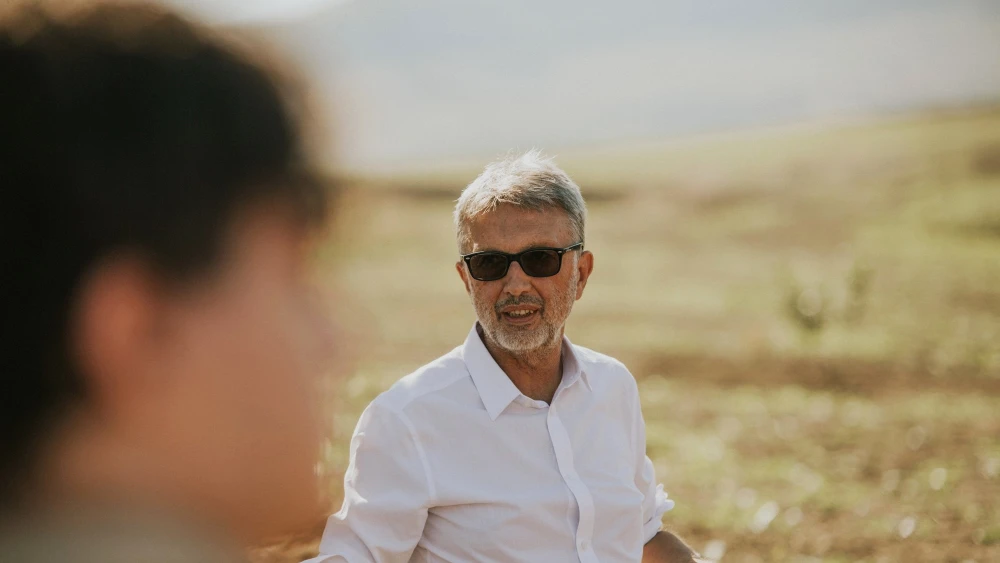
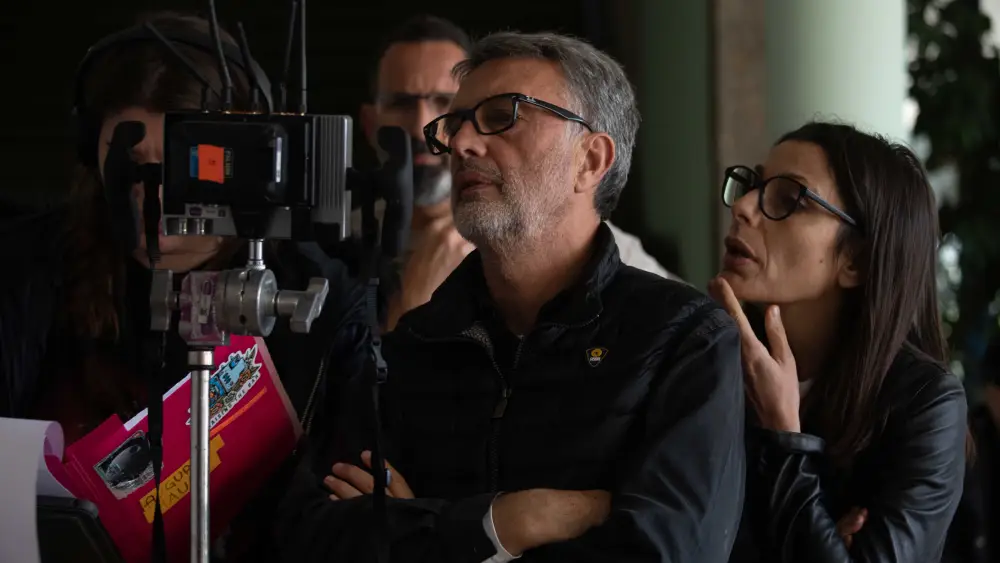
So, too, was the film’s Italian director, 66-year-old Guido Chiesa, in Israel for the first time for the project. A Catholic, he says he was always interested in the country and its history, both geographically and religiously.
He was there for a few months in 2022 and at the beginning of 2023. They (joint screenplay writer Nicoletta Micheli is also Italian) scouted for a location to film; yet modern-day Israel has become very modern. Most of the locales were either too built-up to reflect immigrant life in the early 20th century or, in some places, like an abandoned Syrian army base in the Golan, too close to borders and potential rocket fire to be secure.
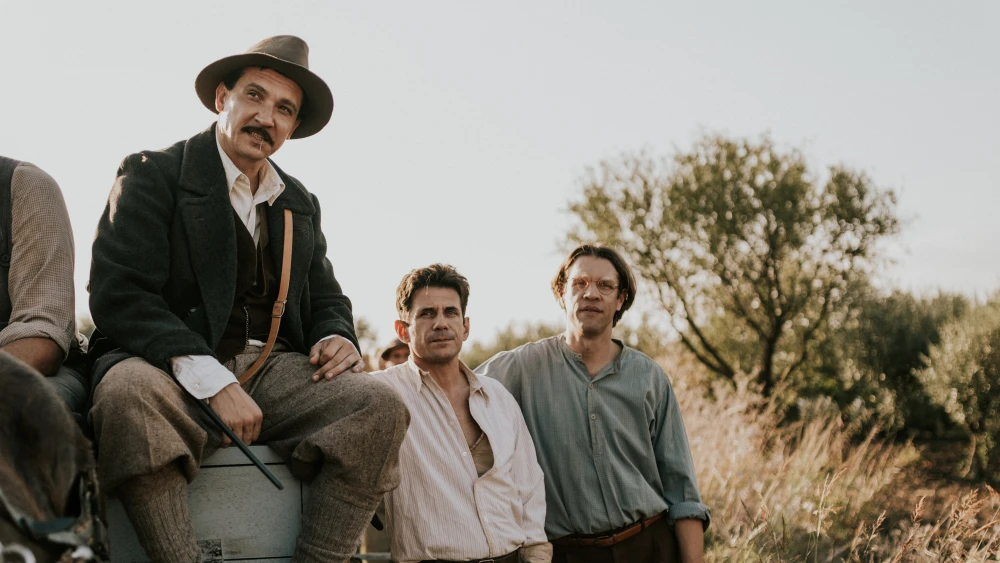
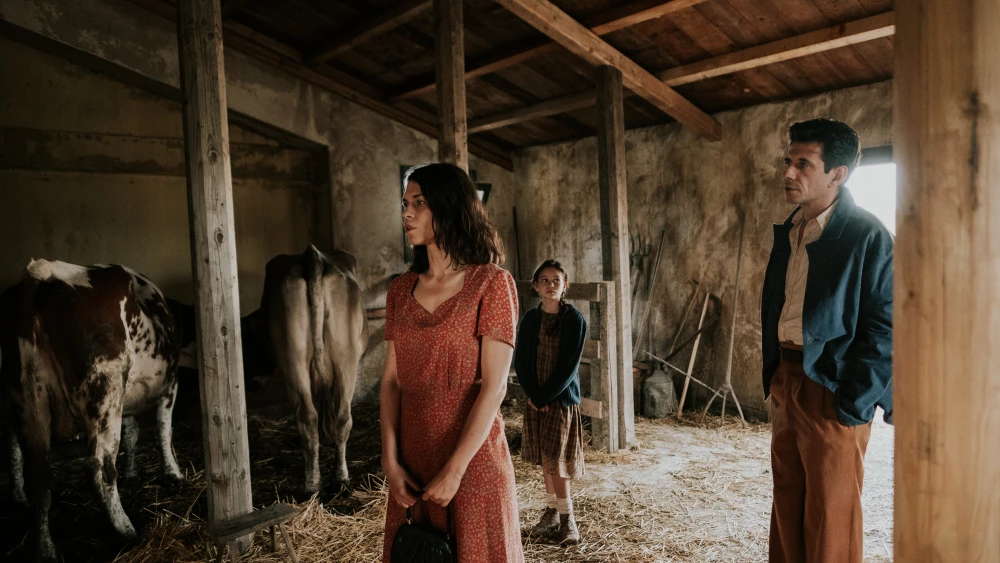
And so, Sicily became the backdrop for much of the film—namely, the fictional moshav of Beit Caleb. Parts of southern Italy used to house farmers in communal villages, “agro-towns,” in the 1930s through 1950s.
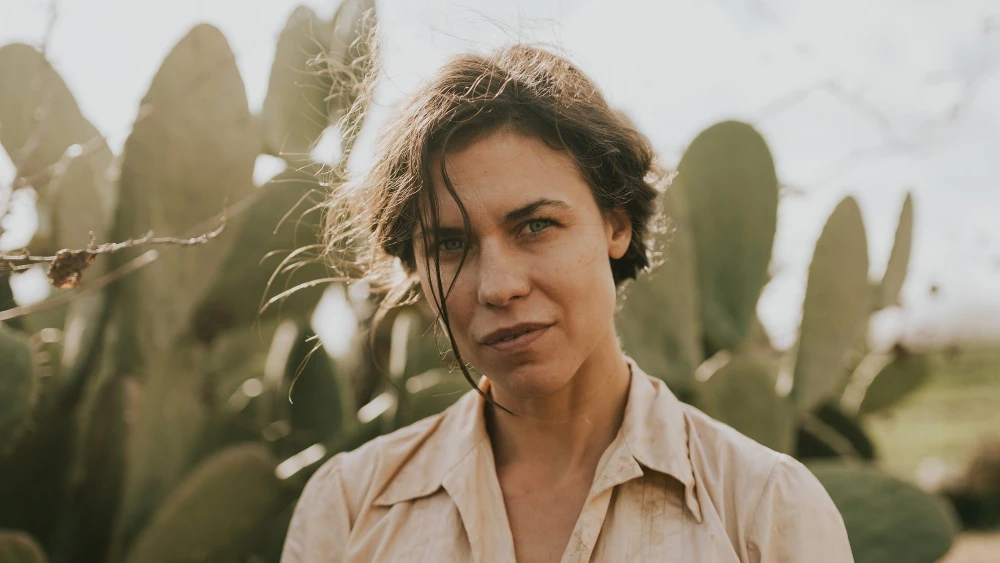
When Yehudit Salomon, an attractive young woman who’s deaf in her right ear, arrives there, the place is never the same.
“This film, to me, is incredibly universal,” says Avital. “I mean, it has a specific worldview and a specific character, but the themes of it are universal.”
A main one is inherent misunderstandings, and the inability, for many men, to understand the psyche and concerns of women, and perhaps most of all, their emotions. Men often shy away from the depths of a woman’s pain, either because they don’t know how to approach it, or in many cases, don’t want to.
That has left Yehudit—and Esther—proverbially wandering in the desert. But it doesn’t seem to affect their spirit, which becomes stronger with every obstacle they face.
“It’s a testament to the times when the movie takes place,” says Avital. “You had to be tough to stand up to all these men and to carry on” amid some very real threats: physical, sexual, mental, emotional.
Add to that the “plain hardship of both trying to and then having a family. That’s a very relevant and important theme,” she says. “It’s like the name of the film—what people do for the love of a woman and what a woman does for the love of herself.”
The deeper meaning that runs through it, Avital points out, is that even in the darkest moments of history, people fall in love, give birth, build families and form communities.
‘It’s a story about hope’
The segue between Esther and Yehudit becomes clearer as the saga unfolds. Esther seeks out several people in Israel (interestingly, all men) to help her uncover lost history, while Yehudit wrestles with men who profess their love—or outright needs—as she keeps the past to herself.
Men can have a hard time “being retrospective, looking inside themselves,” says Chiesa. “We have a hard time seeing the other person, learning from the other person, being able to listen to the other person. Not all of them, of course, but generally.”
Chiesa said he was captivated by the era he was filming and the early Jewish pioneers. “They were very idealistic, in a way. They wanted to have a land, they wanted to have a country; they wanted to build a new society, a freer society. It was a unique experiment.”
Soon after editing was completed, Israel was roiled by the Oct. 7 terrorist attacks. From that moment on, he says, no European festival wanted to screen the film. Eventually, using Chiesa’s domestic clout, they managed to distribute it in Italy, where it won the Best Film Award at the Bari International Film Festival, known as the “Federico Fellini” Award for Best Movie.
Even now in Europe, it’s very hard to talk about the film, says Chiesa. “There’s so much antisemitism going on … I understand that people are afraid of bringing up the word ‘Israel.’ It has become more and more complicated.”
It wasn’t easy for Jews then, and it isn’t now, attests both he and Avital.
Still, Chiesa doesn’t shy away from the facts, stating plainly that “Jewish culture and heritage are at the roots of Western society.”
He says “without Israel, without the Torah, without Abram—all the way up to Jesus—there wouldn’t be Western society. I think that’s something we should treasure, rather than condemn without thinking about all the aspects of it, all the aspects of the complicated situation that is in the Middle East right now.”
He enjoyed being there, he says, pointing to the deserts and the demographics. “Israel, from what I understood by visiting it and working there, is a very complex society,” he says. “Not all people think the same. There are people that are in favor of one position and people in favor of another position; it’s a democracy. And everyone has a say. They have a vote.”
The way he puts it, it almost doesn’t sound so complicated. It’s encapsulated in his directorial skills. What’s left unsaid comes together in the end.
“It’s a story about hope against all odds,” states Chiesa.
Esther, he explains, goes from being “an unresolved woman, a very fragmented woman, a person that is unable to love. And then she learns that a tragic event happened in her family, and she’s able to change.”
Finding the truth about herself and her family history allows her to be a freer person. And that, he says, “is something we all believe in deeply.”
In the letter that sets up the story, Esther’s mother writes: “I believed it was important for you to go on this journey, wherever it may have taken you. It was your right. I hope this story allows you to make peace with many things.”




Get the latest updates in our WhatsApp group.
Test yourself on one question pulled from JNS reporting. New puzzles daily.





© All rights to the original article belong to the source. Din Online shows a headline, an excerpt and a link only. The objectivity rating is computed automatically and is an estimate only.
Discussion
No comments yet — be the first to comment.