First human trial supports Israeli immune therapy for Alzheimer’s
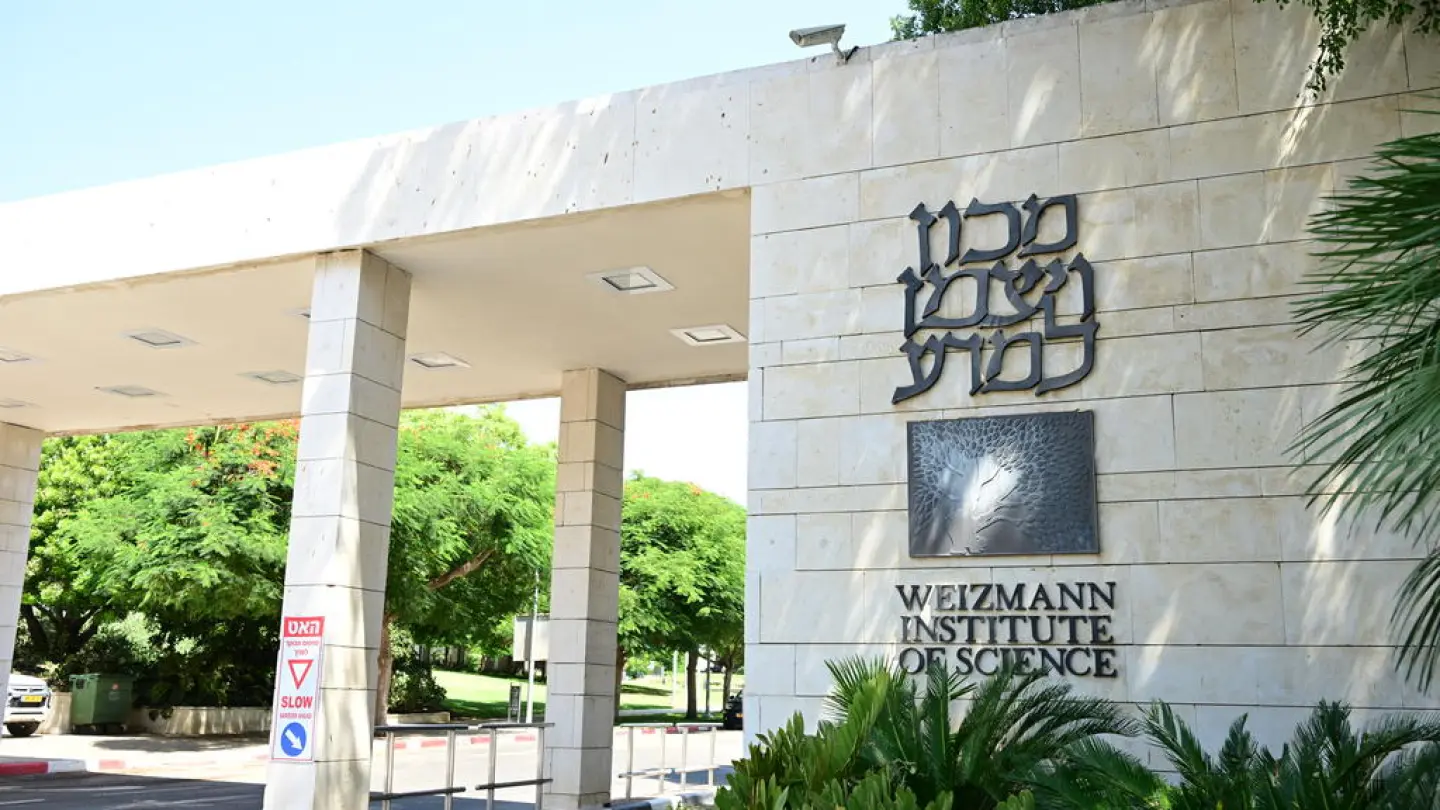
An Israeli-developed biological therapy designed to restore the immune system’s ability to protect the brain has shown a favorable safety profile in its first human trial, according to Phase 1 clinical results published in the peer-reviewed journal Nature Medicine.
Alzheimer’s disease is the most common form of dementia, a progressive brain disorder that gradually destroys memory, thinking and the ability to carry out everyday tasks. According to the World Health Organization, more than 55 million people worldwide are living with dementia, and Alzheimer’s accounts for an estimated 60% to 70% of those cases.

There is no cure for Alzheimer’s. Current treatments can help manage symptoms, while newer drugs may modestly slow cognitive decline.
However, a potential new treatment, an antibody called IBC-Ab002, is based on years of research by Professor Michal Schwartz of the Weizmann Institute of Science’s Brain Sciences Department. Unlike most current Alzheimer’s therapies, it does not target amyloid plaques—abnormal protein deposits that have long been considered a hallmark of the disease. Instead, it aims to restore immune functions that naturally decline with age.
“The goal of our biological therapy is to restore the immune system’s youthful capacity to protect the brain,” Schwartz said.
The trial results provide the first clinical evidence supporting key aspects of a theory Schwartz has spent years developing.
Schwartz, a recipient of the Israel Prize in Life Sciences, previously showed that the brain depends on the immune system throughout life for maintenance and repair, challenging the long-held view that the brain operates separately from immune activity. She also found that age-related immune decline contributes to brain inflammation, a major factor in the progression of neurodegenerative diseases—suggesting that clearing amyloid plaques alone may not be enough to halt Alzheimer’s.
About a decade ago, Schwartz’s team showed in mouse models of Alzheimer’s disease and other forms of dementia that temporarily releasing certain immune “brakes” helped clear aging cells from the brain, reduce inflammation and ease disease symptoms. The researchers identified the PD-1/PD-L1 immune checkpoint pathway as a possible treatment target. Those findings, however, had only been demonstrated in animals.
Building on that research, Schwartz co-founded ImmunoBrain, a company working to translate her findings into therapies for neurodegenerative diseases. The company licensed the technology from Yeda, the Weizmann Institute’s technology transfer arm, and developed IBC-Ab002, a humanized antibody engineered to act on the immune mechanism identified in Schwartz’s laboratory. While it targets the same PD-L1 immune checkpoint molecule involved in some cancer immunotherapies, IBC-Ab002 was engineered with properties intended specifically for Alzheimer’s treatment.
The trial enrolled 40 patients with early-stage Alzheimer’s disease at 11 medical centers in the United Kingdom, Israel and the Netherlands. Researchers found that the treatment was safe and well tolerated at all doses tested. They also reported that the drug’s biological activity in patients matched its engineered design and that it reduced biomarkers associated with neuronal damage and loss of synaptic function.
Because Phase 1 trials are designed primarily to evaluate safety rather than effectiveness, the results do not show whether the treatment can slow or reverse Alzheimer’s disease. However, researchers said the safety profile, combined with signs that the drug reduced damage-related biomarkers, supports moving forward with further clinical development.
Alzheimer’s disease remains incurable, but the U.S. Food and Drug Administration has approved several treatments for the disease. Newer therapies include drugs designed to target amyloid plaque deposits, while older therapies are primarily intended to ease symptoms rather than alter the disease’s progression.



Get the latest updates in our WhatsApp group.









An Israeli-developed biological therapy for Alzheimer's disease, IBC-Ab002, has demonstrated a favorable safety profile in its first human trial, according to Phase 1 clinical results published in Nature Medicine. Developed by Professor Michal Schwartz of the Weizmann Institute of Science, this antibody aims to restore the immune system's ability to protect the brain, rather than targeting amyloid plaques. The trial involved 40 early-stage Alzheimer's patients across the UK, Israel, and the Netherlands, showing the treatment was safe and well-tolerated at all doses. Researchers also observed that the drug's biological activity matched its design and reduced biomarkers associated with neuronal damage. Professor Schwartz stated, "The goal of our biological therapy is to restore the immune system’s youthful capacity to protect the brain." While Phase 1 trials primarily assess safety, these findings support further clinical development.
© All rights to the original article belong to the source. Din Online shows a headline, an excerpt and a link only. The objectivity rating is computed automatically and is an estimate only.
Discussion
No comments yet — be the first to comment.