First Temple-era mold offers clues to mystery of ‘pagan’ female figurines in Holy City
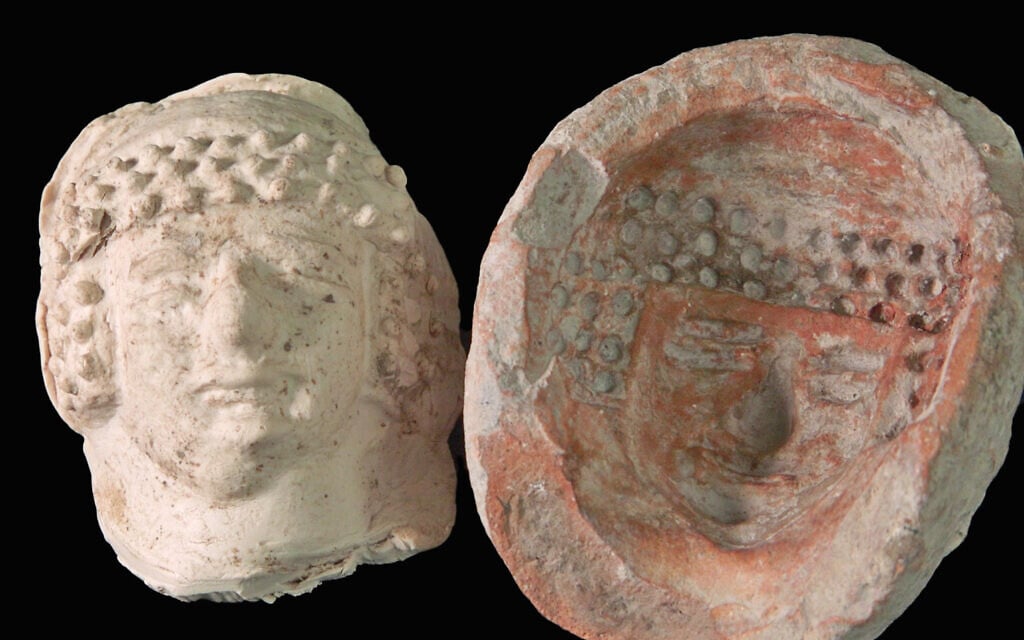
First mold discovery in Jerusalem provides evidence that enigmatic clay artifacts — possibly linked to the goddess Asherah— were manufactured in biblical capital

A 2,600-year-old clay mold for a female figurine, discovered in Jerusalem's Old City, is providing new insights into First Temple-era religious practices. Found during excavations for a new wing at the Tower of David Museum, this 7.5 cm tall artifact is the first such mold unearthed within Jerusalem, suggesting local production of these widespread figurines. Researchers believe the mold dates to the 8th century BCE, possibly during King Uzziah's reign, and sheds light on the challenges Judean kings faced in promoting monotheism against existing polytheistic traditions. While the exact purpose of these figurines remains debated, they are thought to have served as private idols, perhaps representing the fertility goddess Asherah, or as household amulets for blessing and protection. "The emphasis on the face has led researchers to conclude that it probably had an important cultural or religious significance," said Amit Re’em of the IAA. The discovery offers direct evidence of their manufacture in Jerusalem, contributing to a deeper understanding of the city's complex religious history.
© All rights to the original article belong to the source. Din Online shows a headline, an excerpt and a link only. The objectivity rating is computed automatically and is an estimate only.
Discussion
No comments yet — be the first to comment.