Gazan sham charities’ crowdfunding funneled cash to alleged terrorists, US probes show
Luke Tress is The Times of Israel's New York correspondent.
In January 2024, a woman from Gaza created a crowdfunding campaign, asking strangers for donations to help reunite her family.

“Rebuilding our lives: a journey from loss to hope,” she wrote, beneath photos of a beaming young family.
The woman, Nieama al-Ghazzawi, said she and her two children had escaped Gaza but her husband had been left behind.
Her husband’s burger stand and their home had been destroyed, and the family could not afford fees for travel and a visa, al-Ghazzawi wrote on the crowdfunding platform GoFundMe.
“Your assistance means a lot to us. It will bring us back together,” she wrote.
The campaign circulated on pro-Palestinian social media, drawing hundreds of donations.
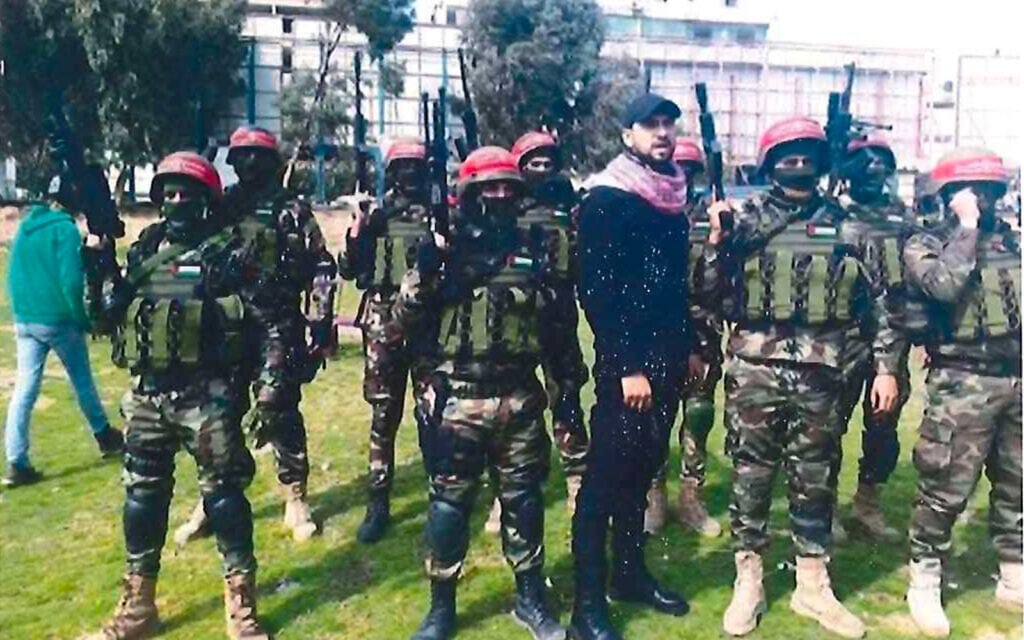
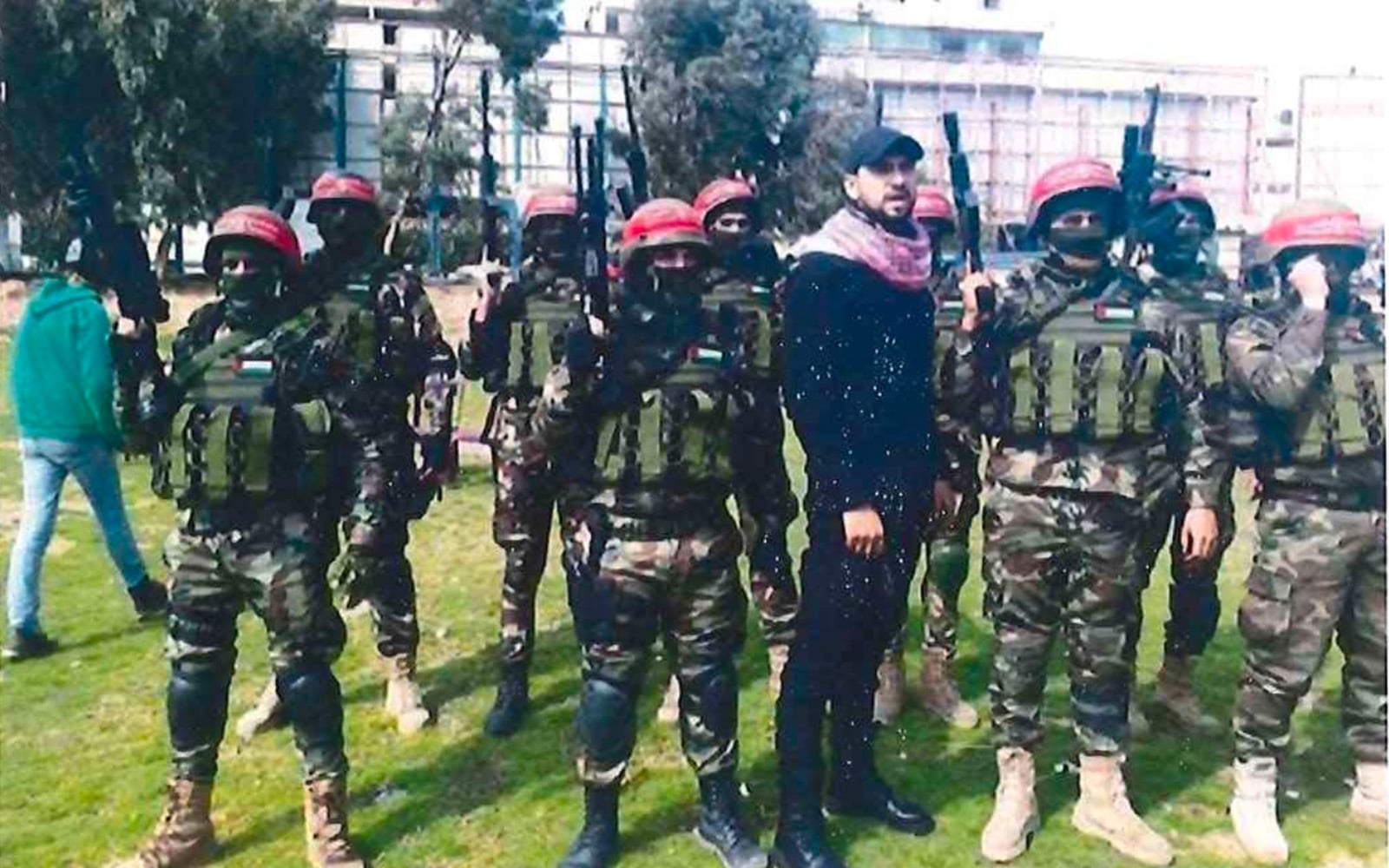
US federal investigators are now investigating that appeal as part of a probe into Mahmoud Amin Ya’qub al-Muhtadi, who allegedly led a terrorist squad into Israel during the October 7, 2023, Hamas onslaught before moving to the US.
The incident is one of three recent federal US terrorism cases investigating humanitarian crowdfunding campaigns, highlighting potential abuse on a lightly regulated avenue for financial activity and the intersection of terror financing, social media and cryptocurrency.
In addition to the probe into al-Muhtadi, a second involves a New York-based anti-Zionist activist who was charged last month with sending funds to the Palestinian Islamic Jihad terrorist group. The third investigation centers around a California man who was charged with using sham charities to fundraise for Hamas.
Israel and its supporters have long accused international humanitarian groups funded by donors of cooperating with Hamas in Gaza.
In the US, the landmark case against the Holy Land Foundation in the 2000s found that the purported charity had funneled more than $12 million to Hamas.
In the decades since, US investigators have cracked down on financing for terrorism through purported charity groups, including in a major international case this month.
An FBI agent investigating the case said Hamas raises funds through several channels, including the diversion of humanitarian aid through “sham charities” that shield the terror group from law enforcement.
Like major NGOs, crowdfunding platforms allow donors to make contributions to humanitarian efforts in conflict zones like Gaza, but differ in that they are more decentralized, allowing individuals to set up campaigns to collect small donations.

The platforms raise funds for causes ranging from cancer treatments to student tuition, drawing in billions in donations each year. One of the leading firms, GoFundMe, founded in 2010, says it has raised more than $40 billion from a community of 200 million.
The recent federal cases indicate the platforms could also be abused, though.
Hans-Jakob Schindler, the senior director of the Counter Extremism Project, based in New York and Berlin, framed crowdfunding for terrorism amid larger issues surrounding humanitarian aid in conflict zones controlled by groups like Hamas in Gaza and the Taliban in Afghanistan.
“You either pay [the ruling groups] or you don’t get access,” said Schindler, an adviser to government leaders on terror financing, including through crowdfunding.
Schindler said that crowdfunding platforms are generally not regulated like financial institutions, such as banks, that need to do due diligence to prevent crimes like tax evasion, money laundering and terrorism financing.
“The same as with all new technologies, it’s pretty naive. They always think they cannot be misused, and, ‘This is making the world a better place.’ So their internal controls are, as a general rule, super weak,” he said, adding that the social media platforms hosting the campaigns are generally not legally obligated to monitor crowdfunding. Laws regulating crowdfunding vary by country.
Soon after the start of the Gaza war, crowdfunding campaigns for Gaza proliferated on social media, raising red flags.
The FBI warned in November 2023 that “criminals are soliciting donations during the Israel-Hamas conflict.”
“Foreign terrorist organizations often establish fake charities using social media platforms to misdirect unwitting donors to subsidize their operations,” the FBI said.
Some of those concerns appear to have been borne out.
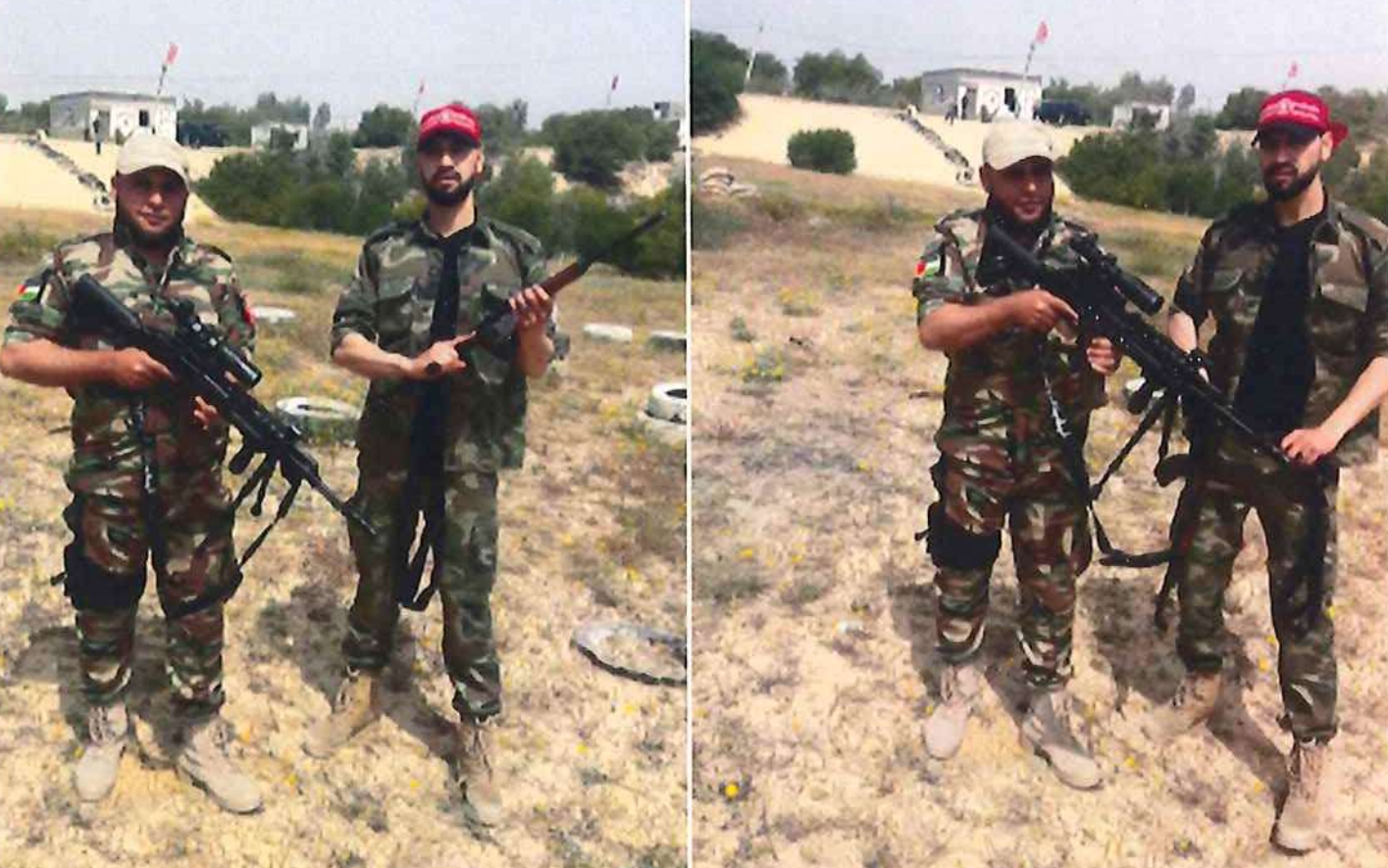
Al-Muhtadi allegedly assembled a team of armed terrorists and crossed into Israel to join the October 2023 attack at the behest of Hamas.
In June 2024, he submitted an immigrant visa application for the US, saying he did not have any weapons training, had no ties to terrorist groups and had not participated in acts of violence.
Al-Muhtadi arrived in Dallas, Texas, in September 2024. After Israeli investigators alerted the US to his alleged terrorism, FBI agents located him in Louisiana, where he was working at a restaurant.
He faces charges related to terrorism, visa fraud and making false statements and faces up to life in prison.
A court filing late last month showed that investigators were seeking records from several companies for evidence, including Google, Meta and GoFundMe.
The filing identified al-Ghazzawi, who posted the GoFundMe campaign, as al-Muhtadi’s wife, and photos on the campaign matched images of al-Muhtadi in the indictment.
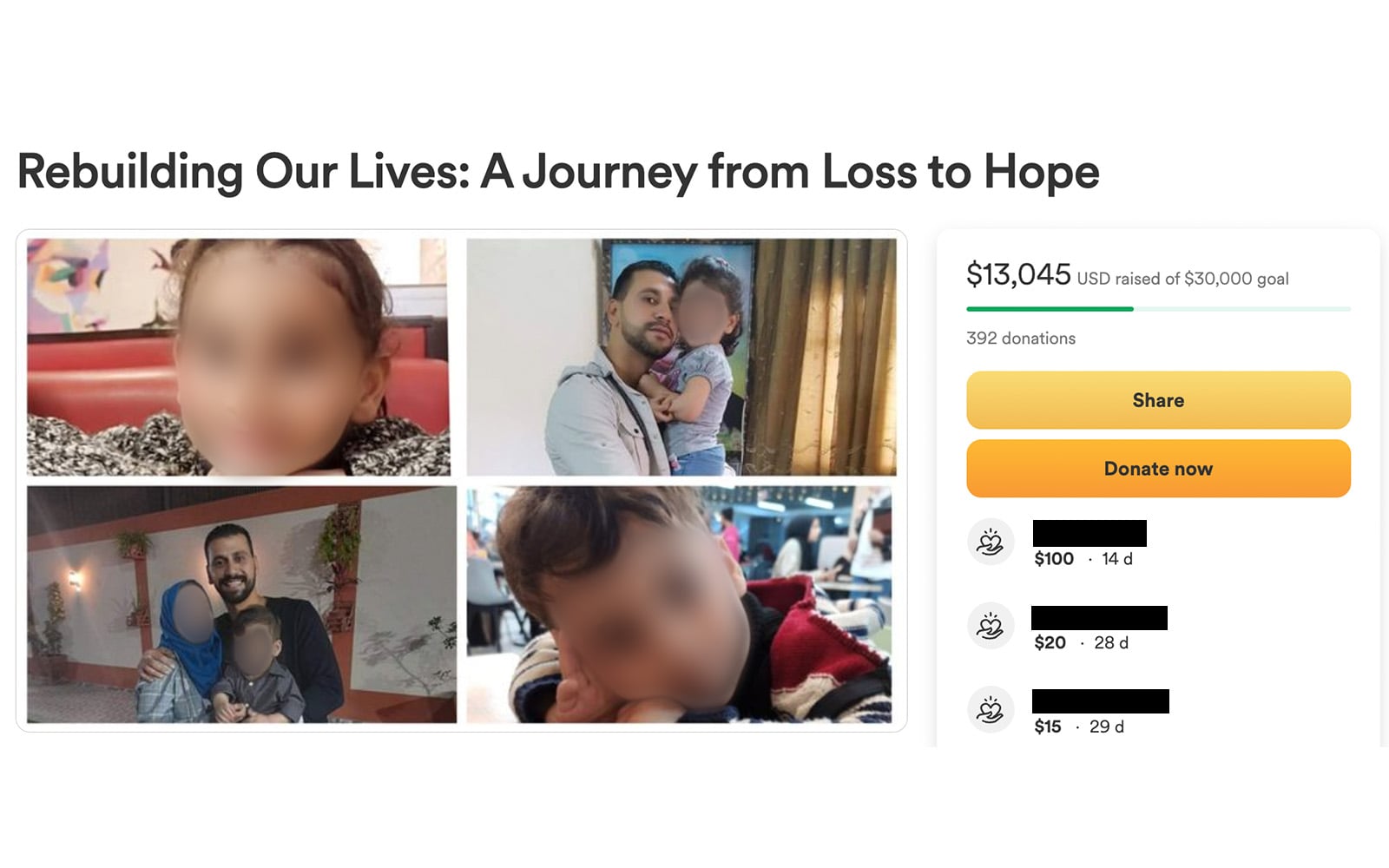
The campaign was added to a list of Gaza crowdfunding efforts called GoFund♡Gaza and circulated on social media.
The campaign received more than $13,000 from 401 donors, many of whom left encouraging messages for the family, like “Stay strong. The world loves you.”
Al-Ghazzawi posted an update in March 2024 saying that, due to the donations, her husband had been able to leave Gaza and rejoin the family, around the time prosecutors said al-Muhtadi had left Gaza, and shortly before he applied for a visa.
It does not appear that al-Ghazzawi has been charged with a crime. Al-Ghazzawi and lawyers for al-Muhtadi did not respond to requests for comment.
GoFundMe did not respond to requests for comment. There is no indication GoFundMe was aware of al-Muhtadi’s alleged terror activities and the company was cooperating with investigators, court filings showed. The campaign was taken down after investigators requested records from GoFundMe.
GoFundMe has specific provisions against terror financing, unlike some other crowdfunding platforms, and it has issued guidelines encouraging users to donate to Gaza through certified charities.
Schindler said that Hamas has several income streams, some of which, such as fees from smugglers and cash from Qatar, were cut off after the start of the war in Gaza, making fundraising a more important revenue source.
He added that small operations claiming they are delivering aid to Gaza should be viewed with skepticism because logistical complexities and security restrictions make it difficult to deliver aid.
“If you are not a big international organization, in my opinion, it needs to be really closely looked at precisely because of the controls that Israel has instilled on humanitarian operations,” he said. “You cannot just be an organization in Cologne or in New York and then begin operating in Gaza. How? How are you going to get access?”
In addition to anti-Israel activists, far-right networks have also made use of crowdfunding. The platform GiveSendGo has allowed groups like antisemitic white supremacists to raise millions. A Cornell University student who made headlines last month for saying he was “not interested in working for a Jew” has raised more than $26,000 on the platform.
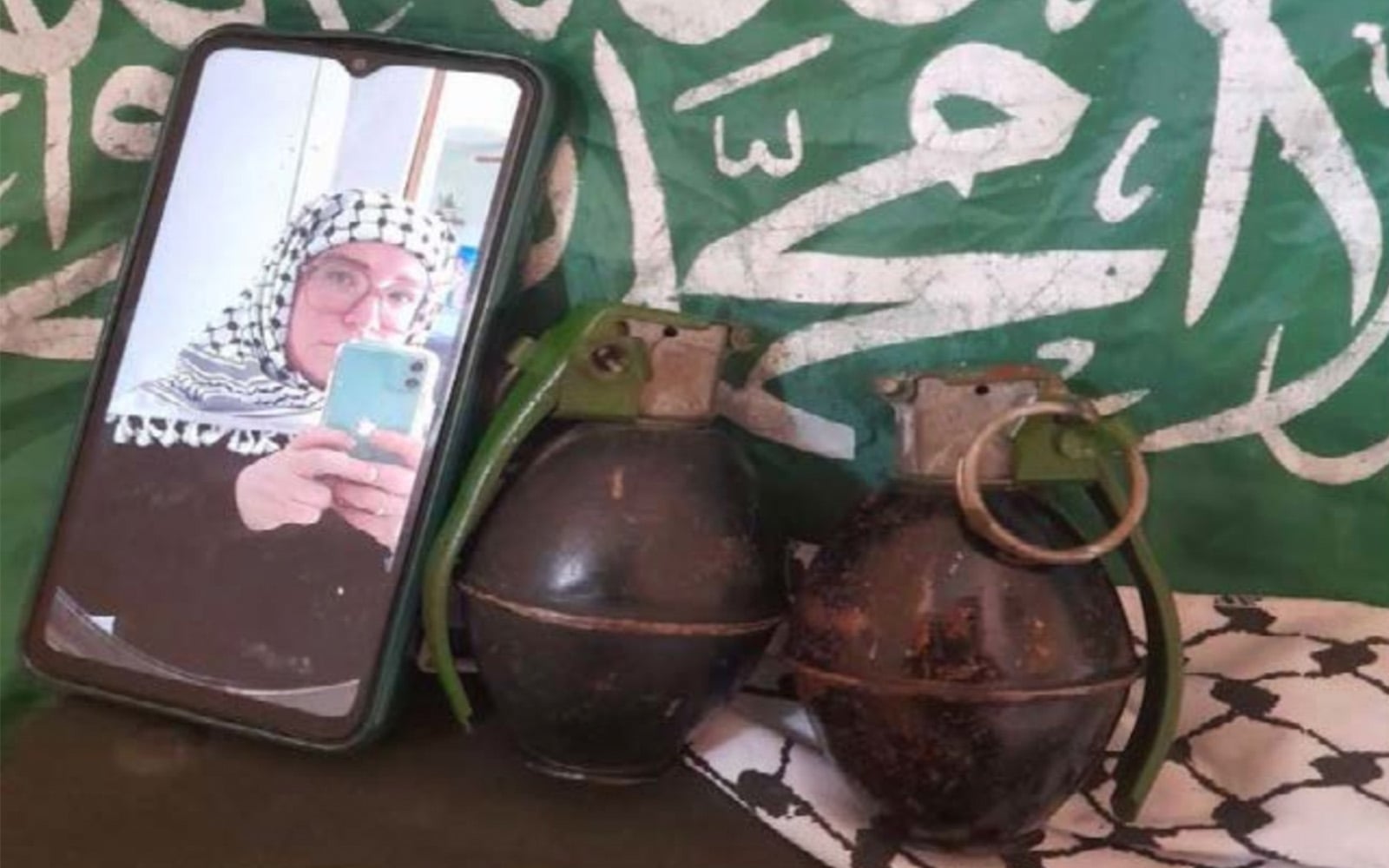
In another terror financing case, last month, an anti-Zionist activist from New York State was charged with sending funds to the Palestinian Islamic Jihad terrorist group.
Catherine Washburn, 37, sent more than $30,000 in funds she had raised for purported humanitarian purposes to a member of the terror group, according to a federal criminal complaint.
The complaint said Washburn had allegedly raised funds for a man in Gaza, identified by the initials H.H., starting in November 2024.
The man told Washburn in February 2025 that he was a member of Palestinian Islamic Jihad and had attacked IDF troops during the October 2023 attack. H.H. also told Washburn he had been carrying out “missions” in northern Gaza during the war and sent her photos of himself brandishing firearms, indicating she was aware of his continued terror activities. She continued transferring him funds until April, investigators said.
After she found out about his terrorist affiliation, Washburn posted an image of the alleged terrorist on Facebook and shared the page on WhatsApp, seeking donations to “help him support his family of 9,” according to the complaint.
She raised donations through the Australia-based Chuffed, which says it is a fundraising platform for “the world’s social justice movements.” Chuffed did not respond to a request for comment and the fundraiser has been taken down.
Washburn received 1,302 contributions, used the funds to buy cryptocurrency and transferred the funds to a crypto wallet belonging to H.H., the complaint said.
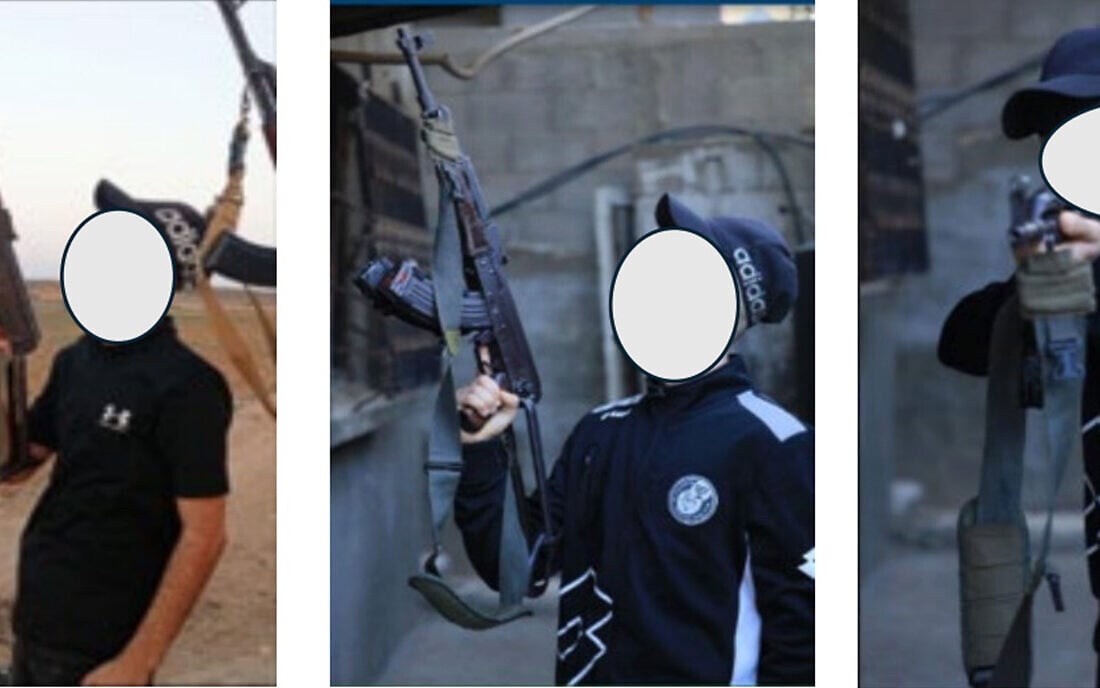
Between October 2025 and April 2026, Washburn made 80 cryptocurrency transfers to H.H. amounting to $30,116, investigators said.
On social media, H.H. has shared fundraisers purportedly for his family, published videos about hardships in Gaza such as food shortages, and posted in support of the activist flotillas meant to break Israel’s blockade.
Washburn’s Instagram account links to 10 fundraisers that she said were meant to help Palestinian families in Gaza.
At least one other activist, an Irish protester who joined a Gaza flotilla and has more than 200,000 followers online, shared an appeal to support H.H. He also appeared on the account of a Gaza influencer with 1.3 million followers.
H.H. has posted another fundraiser to his hundreds of thousands of followers.
In a third case, in June, US federal authorities charged a California man with fundraising for Hamas through sham charities.
Reda Mazen Rida Sabassi, 38, was charged with terrorism, sanctions evasion, wire fraud, money laundering and making false statements.
Sabassi allegedly collected more than $600,000 in donations from thousands of donors for humanitarian aid for Gaza, but directed the money to Hamas and for personal expenses.
In 2022, Sabassi set up a nonprofit called Ikram — The Arab Charity Foundation, allowing him to collect tax-deductible donations for “emergency humanitarian relief to displaced families and refugees in Gaza.”
The nonprofit raised $638,000 in donations in 2023 and Sabassi was the only staffer, filings showed.
Sabassi solicited donations through his nonprofit’s website and posted charity campaigns on crowdsourcing platforms such as Fundly, which circulated on Telegram and social media. Fundly did not respond to a request for comment.
“Help 4 orphans who fled from Gaza start a new life,” one of the campaigns said, alongside a photo of a child.
For the financial transfers, Sabassi worked with the Hamas fundraising organization Gaza Now, and unnamed co-conspirators based abroad, investigators said. The US and the UK sanctioned Gaza Now for terror financing in 2024.
An FBI investigator said using the Gaza Now branding was a way of “signaling to Hamas supporters that it was an official campaign, i.e., directly related to Hamas,” but to outside observers, it would appear legitimate.
Sabassi and the unnamed suspects discussed how to transfer money to Hamas, such as using a decentralized blockchain or transferring funds between cryptocurrency wallets to obscure the money’s sources.
Sabassi sent $116,000 to a Hamas member based abroad and tried to convert another $380,000 in the funds into cryptocurrency so he could send it to Hamas through Gaza Now, the complaint said.
He also allegedly transferred tens of thousands of dollars to his personal bank account for expenses like rent and credit card bills, the complaint said.
Both Washburn and Sabassi joked about being imprisoned, indicating they were aware the fundraising was illegal.
“Based on my passed [sic.] fundraising and posting Im [sic.] gonna get put away for a few life times,” Washburn wrote to H.H., followed by a laughing emoji.
Sabassi told a collaborator that one of their campaigns should have actually been titled “Izz Al-Din Al-Qassam,” followed by a laughing emoji. His co-conspirator replied, “Lol. Oh dear. Into prison.”
Schindler said that raising humanitarian funds for Gaza is not inherently illegal or terrorism financing, but that there was a need for better controls, and a better understanding of the complexity surrounding aid operations in Gaza, including from donors.
“It’s very, very, very unlikely that individual, small organizations are even able to operate in Gaza,” he said. “If they’re not able to operate in Gaza, then immediately, the question is, ‘What happens to the money?’”

As a multimedia journalist, my job is to take the quality, fact-based journalism produced by The Times of Israel newsroom and make it accessible across every platform — from Instagram posts to podcasts to short-form videos.
This is how many, especially young people, consume news these days. But misinformation is rampant on social media. Our team at ToI produces accurate, responsible short-form reporting on Israel and the Jewish world.
If you believe in the importance of factual social media journalism, please consider joining our reader support group, The Times of Israel Community. Your financial support is essential to sustain responsible multimedia reporting.
— Gabriella Jacobs, multimedia journalist
















Three ongoing US federal investigations are probing the alleged use of humanitarian crowdfunding campaigns to funnel money to terrorist activities, highlighting the intersection of terror financing, social media, and cryptocurrency. One case involves Nieama al-Ghazzawi, who launched a GoFundMe campaign in January 2024 to reunite her family, including her husband, Mahmoud Amin Ya’qub al-Muhtadi, who is now accused of leading a terrorist squad during the October 7, 2023, Hamas attack and later entering the US. The campaign, which raised over $13,000, was taken down after investigators requested records from GoFundMe.
- A second investigation involves a New York-based anti-Zionist activist charged with sending over $30,000 to a member of the Palestinian Islamic Jihad terrorist group.
- The third case centers on a California man accused of using sham charities to fundraise for Hamas.
Experts like Hans-Jakob Schindler of the Counter Extremism Project note that crowdfunding platforms are often less regulated than financial institutions, making them vulnerable to misuse. The FBI warned in November 2023 that "Foreign terrorist organizations often establish fake charities using social media platforms to misdirect unwitting donors to subsidize their operations."
© All rights to the original article belong to the source. Din Online shows a headline, an excerpt and a link only. The objectivity rating is computed automatically and is an estimate only.
Discussion
No comments yet — be the first to comment.