Historic drought reveals Nazi-era shipwrecks in Danube River near Serbia
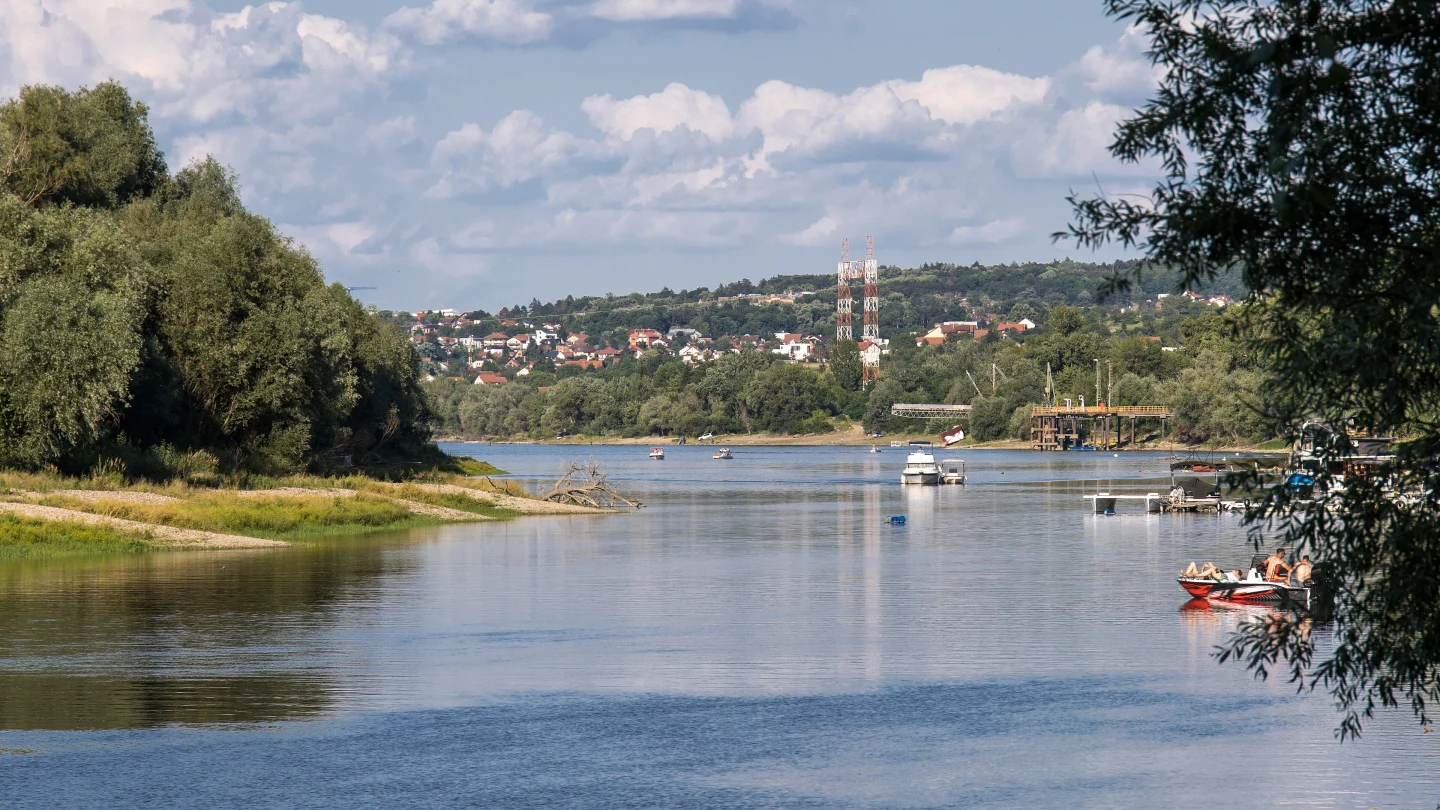
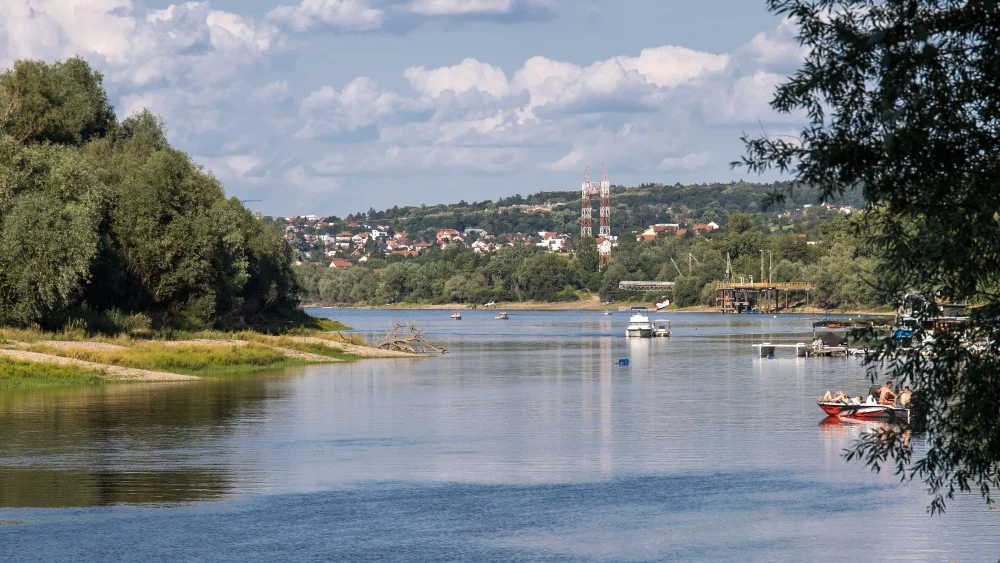
Dozens of vessels from Nazi Germany’s Black Sea fleet have been exposed in the Danube River near Prahovo, Serbia, as drought-driven low water levels revealed sections of wreckage that had remained submerged for decades.
The ships were deliberately scuttled in 1944 as German forces retreated from advancing Soviet troops. The vessels were among hundreds sunk along the Danube during the withdrawal, leaving behind wreckage that periodically emerges when river levels fall.
The latest exposure has revealed larger portions of the wrecks, including hulls, command structures and other remnants of the vessels. Some of the ships still contain ammunition and explosives, creating potential hazards for nearby communities, shipping and cleanup efforts, according to Reuters.
The resurfacing of the wrecks has drawn attention to a little-seen reminder of World War II’s devastation and continues to pose challenges for authorities responsible for maintaining safety along one of Europe’s most important waterways. During periods of low water, the remains can obstruct navigation on the Danube, which serves as a major transportation route across the continent.
As rainfall increases and river levels rise, many of the wrecks may eventually become covered by the river again, leaving behind a largely hidden chapter of the region’s wartime history.



Get the latest updates in our WhatsApp group.








A historic drought has revealed dozens of Nazi-era shipwrecks in the Danube River near Prahovo, Serbia. These vessels, part of Germany's Black Sea fleet, were deliberately scuttled in 1944 during the Nazi retreat from advancing Soviet forces. The unusually low water levels have exposed significant portions of the wrecks, including hulls and command structures, some of which still contain ammunition and explosives, posing hazards to local communities and shipping. The resurfacing of these World War II remnants highlights challenges for authorities in maintaining safety and navigation along this crucial European waterway.
© All rights to the original article belong to the source. Din Online shows a headline, an excerpt and a link only. The objectivity rating is computed automatically and is an estimate only.
Discussion
No comments yet — be the first to comment.