Hormuz wasn’t overlooked; it was a tradeoff
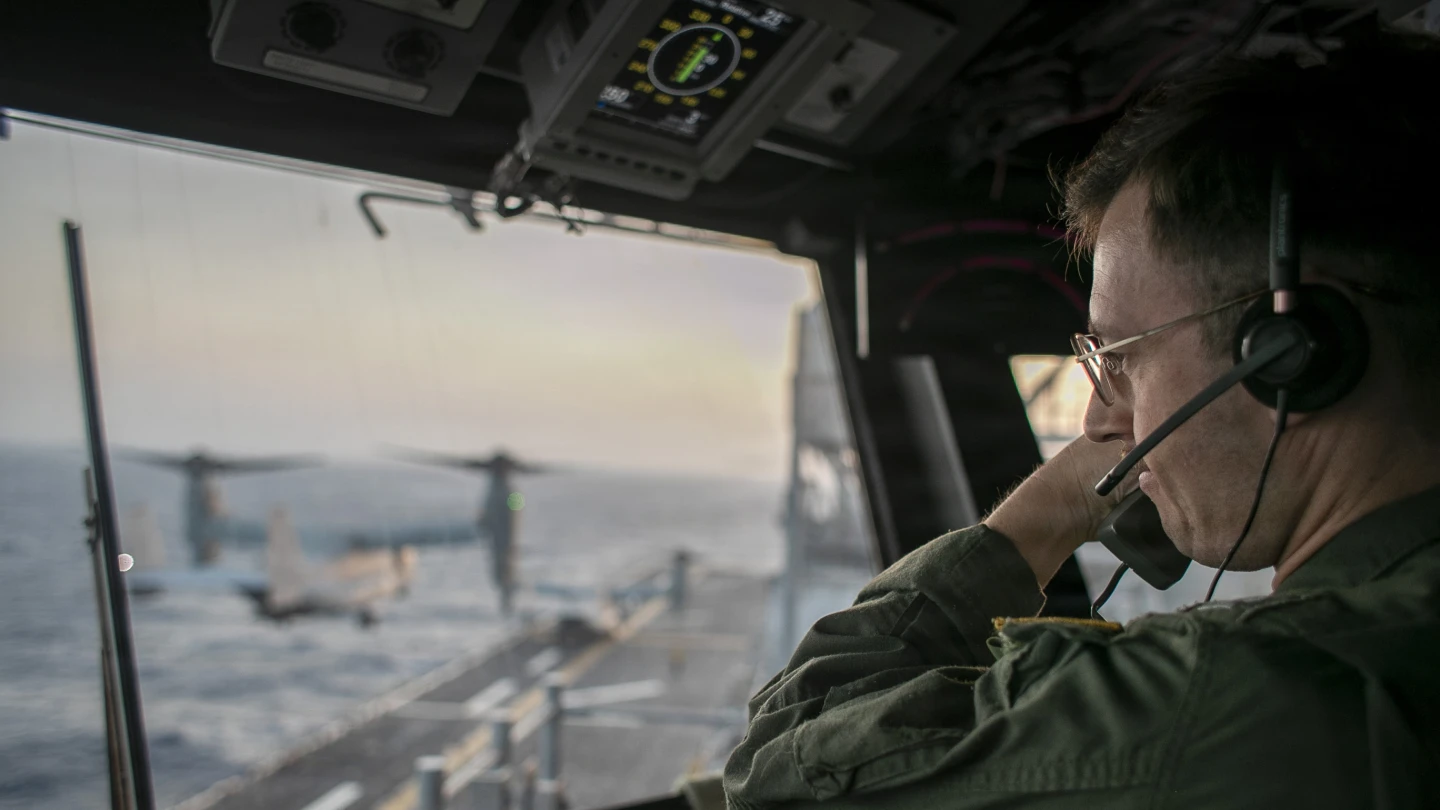
One of the most persistent critiques of the U.S.-Israeli strikes on Iran’s nuclear program is that Washington overlooked the issue of the Strait of Hormuz. Planners supposedly failed to anticipate Iran’s ability to disrupt one of the world’s most critical shipping lanes and had no real contingency plan when Tehran made the move.The record shows otherwise: The blockade of Iranian ports that followed the disruption of the Strait was not an improvised reaction. It was a pre-planned option, ready when needed. Iran moved against the Strait on March 4. The United States imposed a naval blockade on April 13. A Memorandum of Understanding signed in mid-June tried to create a diplomatic off-ramp. When that collapsed in early July, the blockade returned immediately. This was deliberate sequencing, not panic.Pre-strike warnings made the risk clear. According to The Wall Street Journal, Gen. Dan Caine, chairman of the Joint Chiefs of Staff, briefed…

The article argues that the U.S. and Israel did not overlook the Strait of Hormuz threat in their strategy against Iran's nuclear program, but rather accepted it as a calculated risk. Pre-strike warnings, including briefings to President Trump by Gen. Dan Caine, Chairman of the Joint Chiefs of Staff, indicated Iran's potential to disrupt the Strait. Pentagon planning and war-gaming also considered this vulnerability. The subsequent naval blockade of Iranian ports following Iran's move on the Strait on March 4 was a pre-planned contingency, not an improvised reaction, with the U.S. imposing the blockade on April 13. While some economic modeling may have been underemphasized, and the reliance on a single tool for pressure raises concerns, the article contends that more aggressive preemptive campaigns had significant downsides, including increased risk of escalation and Gulf-state opposition. The political tolerance of allied publics, particularly their strong opposition to recognizing Israel, significantly constrained U.S. options, as demonstrated by Saudi Arabia's refusal to allow the U.S. to use Prince Sultan Air Base for a Strait escort mission. The article concludes that the handling of Hormuz was a strategic tradeoff, not an oversight, reflecting the complex choices in Middle East strategy.
© All rights to the original article belong to the source. Din Online shows a headline, an excerpt and a link only. The objectivity rating is computed automatically and is an estimate only.
Discussion
No comments yet — be the first to comment.