How 3 Jewish refugees from the Nazis built Iceland’s classical music scene from scratch
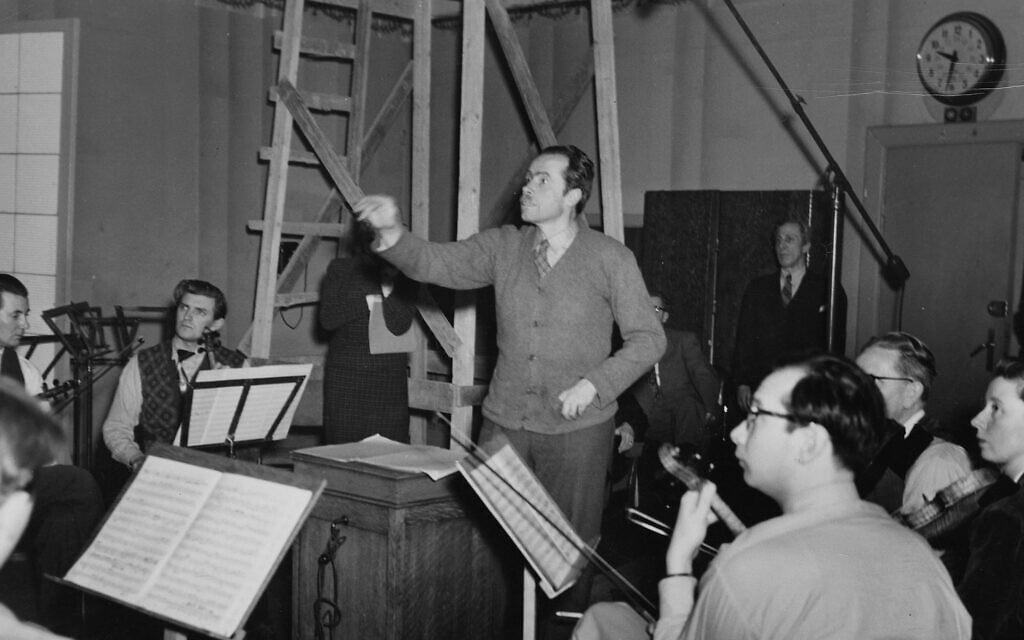
REYKJAVIK, Iceland (JTA) — This city in the autumn of 1935 was a small fishing port of corrugated-iron houses battered by high winds, cod trawlers idling in the harbor, and geothermal steam curling up from hot springs that would one day heat the whole city. Fewer than 30,000 people lived there. There was no concert hall, no real orchestra, and no conservatory worth the name.Onto this isolated island, in late 1935, stepped a 22-year-old pianist from Berlin named Robert Abraham. He carried almost nothing with him and hoped no one would ask too many questions about why he had left Germany.He wasn’t the only one. Three years later, a Viennese conductor named Victor Urbancic disembarked with his Jewish wife, Melitta, after years of trying and failing to find a safe harbor elsewhere in Europe. And somewhere in between came Heinz Edelstein, a cellist and teacher from the German town of…

Three Jewish refugee musicians, Robert Abraham, Victor Urbancic, and Heinz Edelstein, fled Nazi Germany and Austria in the late 1930s and, despite Iceland's initial hostility to Jewish immigration, became instrumental in establishing the country's classical music scene. Arriving in a small fishing port with no formal musical infrastructure, they built institutions that still define Icelandic classical music today. Urbancic became a key conductor, Abraham a central figure in choral music, and Edelstein helped develop music schools. Their story, detailed in Árni Heimir Ingólfsson's book “Music at World’s End,” highlights how their unique circumstances and willingness to take on diverse roles filled a critical need for Iceland's developing national identity, despite the prevailing antisemitism. Ingólfsson notes, "These three musicians arrived at exactly the right moment, despite the antisemitism."
© All rights to the original article belong to the source. Din Online shows a headline, an excerpt and a link only. The objectivity rating is computed automatically and is an estimate only.
Discussion
No comments yet — be the first to comment.