How Do Israeli Elections Work and Who Could Replace Netanyahu?
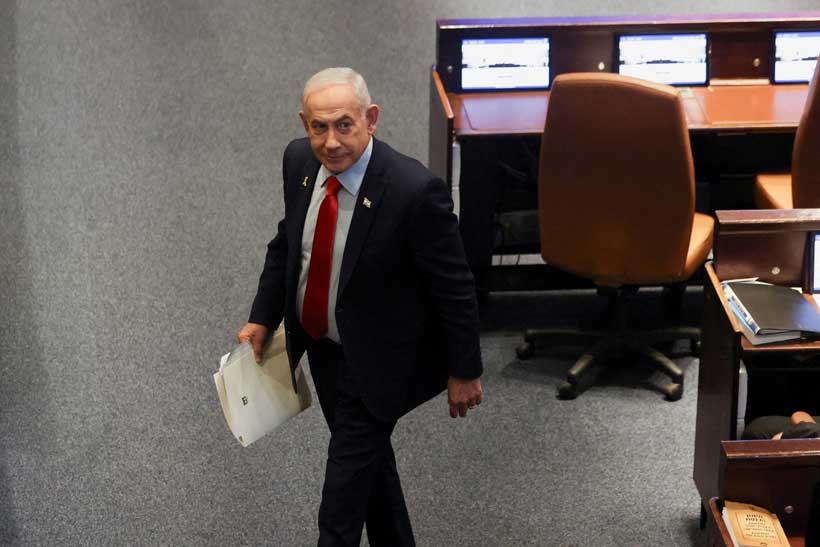
How Do Israeli Elections Work and Who Could Replace Netanyahu?
 48-Inch Flexible LED Strip Diffuser: A Look for DIY Ambient Lighting
AliExpress See the review →
48-Inch Flexible LED Strip Diffuser: A Look for DIY Ambient Lighting
AliExpress See the review →
Israel is set to hold national elections on October 27, the first since the October 7, 2023 Hamas attack, which has significantly impacted Prime Minister Benjamin Netanyahu's political standing. While polls suggest declining public confidence in Netanyahu, Israel's fragmented parliamentary system means coalition negotiations are crucial for forming a government. Citizens vote for political parties, not directly for a prime minister, and seats in the 120-member Knesset are distributed proportionally, requiring a 3.25% threshold. No single party has ever secured an outright majority, making coalition building essential.
- Key contenders include former military chief Gadi Eisenkot, and former prime ministers Naftali Bennett and Yair Lapid, who have reunited.
- Former Defense Minister Avigdor Lieberman, a critic of Netanyahu, is also challenging.
- Netanyahu's current right-wing coalition has faced controversy, particularly regarding exemptions from military service for ultra-Orthodox Jewish parties.
- The election will shape Israel's direction amid ongoing regional conflicts and domestic challenges, with the final outcome depending on which leader can assemble a governing majority through complex coalition bargaining.
© All rights to the original article belong to the source. Din Online shows a headline, an excerpt and a link only. The objectivity rating is computed automatically and is an estimate only.
Discussion
No comments yet — be the first to comment.