How Haredi parties mastered Israeli politics
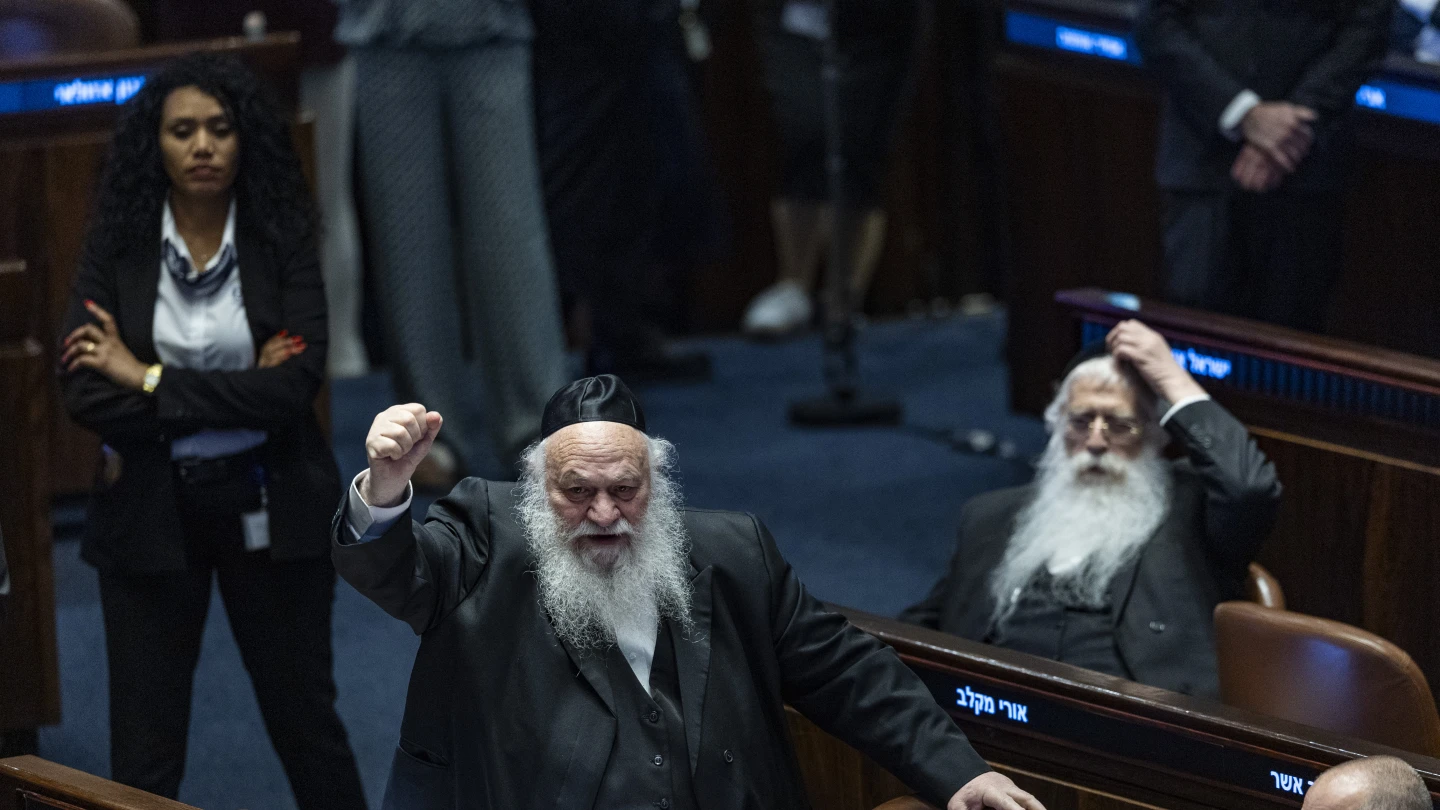
Despite holding a fraction of Knesset seats, Shas and United Torah Judaism have become indispensable coalition partners, reshaping Israeli politics.

Despite holding only about 15% of Knesset seats, Israel's Haredi parties, Shas and United Torah Judaism (UTJ), have become indispensable coalition partners, wielding influence far beyond their electoral strength. Their pivotal role in coalition negotiations, particularly since the 1977 election, has allowed them to shape policies on education funding, yeshivah budgets, and welfare. This success stems from highly organized constituencies, concentrated political priorities, and effective coalition bargaining within Israel's fragmented parliamentary system. Initially focused on protecting religious education and communal autonomy, their influence expanded significantly after Menachem Begin's Likud came to power in 1977, broadening military exemptions and increasing financial support for religious institutions. Dr. Gilad Malach noted, "In 1977, when Begin became prime minister and formed a coalition with Agudat Yisrael, he broadened the possibility of exemption from the army and removed the numerical limits. He also substantially increased financial support for the system." While historically neutral kingmakers, the Haredi parties have increasingly aligned with the right-wing bloc, especially after being excluded from the 2013 coalition, a shift solidified by leaders like UTJ's Yitzhak Goldknopf stating, "We belong to the right-wing bloc."
© All rights to the original article belong to the source. Din Online shows a headline, an excerpt and a link only. The objectivity rating is computed automatically and is an estimate only.
Discussion
No comments yet — be the first to comment.