In risky gamble, Iran bets control over Strait of Hormuz can force Trump to bend
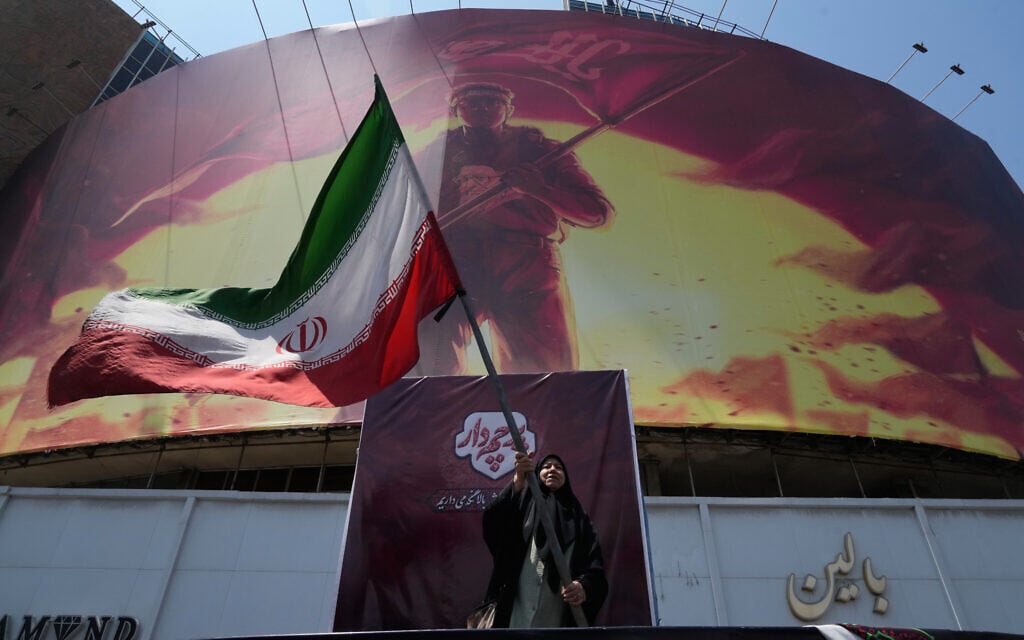
The Strait of Hormuz is, by some accounts, named for a Zoroastrian deity destined to emerge victorious after a 9,000-year standoff with an adversary.Iran’s leaders feel their own victory is at hand and won’t require the same epic patience.They are betting that military pressure will ultimately force the United States to accept their control over the crucial waterway for global energy — and that time is on their side.They know about the diminishing stockpiles of key US weapons such as advanced missile interceptors. They know the war is deeply unpopular with Americans. They know that as long as the strait is largely closed, the price of gas and other goods will stay high ahead of US congressional elections in November. They know that trying to open it by force would be costly and may require American ground troops. They know their Houthi allies in Yemen could widen the war and…

Iran is leveraging its control over the Strait of Hormuz, a vital global energy waterway, to pressure the United States into lifting sanctions and formalizing its sovereignty over the strait. Iranian leaders believe their military pressure and the strait's closure, which keeps energy prices high, will force the US to capitulate, especially with upcoming US elections. Analyst Abdolreza Davari stated, "More than revenue from the strait, Iran wants to confirm its management and sovereignty over the strait."
- Iran is reportedly close to a deal with Oman to manage the strait, contingent on US sanctions relief.
- This strategy aims to bolster Iran's domestic legitimacy and provide leverage in potential future nuclear talks.
- However, the economic fallout from the war and US sanctions has battered Iran's economy, leading to mass protests and concerns among some Iranian officials, like former Foreign Minister Mohammad Javad Zarif, about potential internal unrest if a deal isn't reached soon.
- Despite the economic hardships, Iran remains resolute, with Mahdi Mohammadi, an adviser to Iran’s chief negotiator, asserting, "Iran is going after the enemy’s defeat — not an agreement."
© All rights to the original article belong to the source. Din Online shows a headline, an excerpt and a link only. The objectivity rating is computed automatically and is an estimate only.
Discussion
No comments yet — be the first to comment.