Inside the IDF unit using data to find survivors after Iranian missile strikes
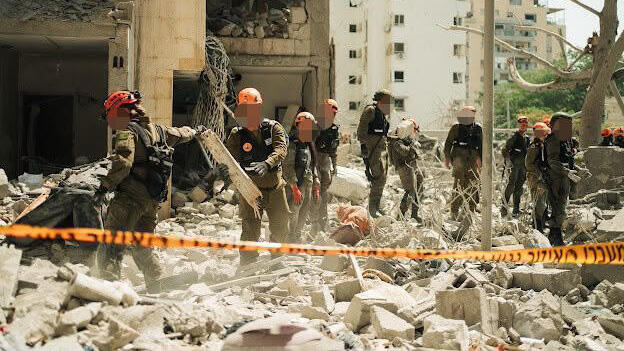
The Home Front Command’s information-analysis branch maps damaged buildings, tracks unexploded cluster munitions and monitors public anxiety, giving rescue teams a detailed digital picture before they reach the scene
The IDF Home Front Command's Information Collection and Analysis Branch utilizes data and technology to enhance search-and-rescue operations and inform strategic decisions during missile strikes and potential conflicts. Led by Lt. Col. N., the unit, comprising approximately 30 soldiers and 50 reservists, creates detailed digital files on damaged buildings, providing real-time information to rescue teams. "Within only a few minutes of an incident, we can provide the fullest possible picture," Lt. Col. N. stated. The branch's work is divided into four areas: 'target files' for damaged buildings, command center operations including 3D modeling, real-time operational products like maps for munition dispersal, and infrastructure management. Additionally, the unit assesses public resilience by analyzing indicators like compliance with instructions, supermarket purchases, and vehicle movement to advise political leadership on decisions such as reopening the economy or schools during prolonged campaigns. The unit also faces challenges from misinformation, with Lt. Col. N. noting, "Fake videos circulating online make our work harder."
© All rights to the original article belong to the source. Din Online shows a headline, an excerpt and a link only. The objectivity rating is computed automatically and is an estimate only.
Discussion
No comments yet — be the first to comment.