Iran conditions opening the Strait of Hormuz on US meeting its demands
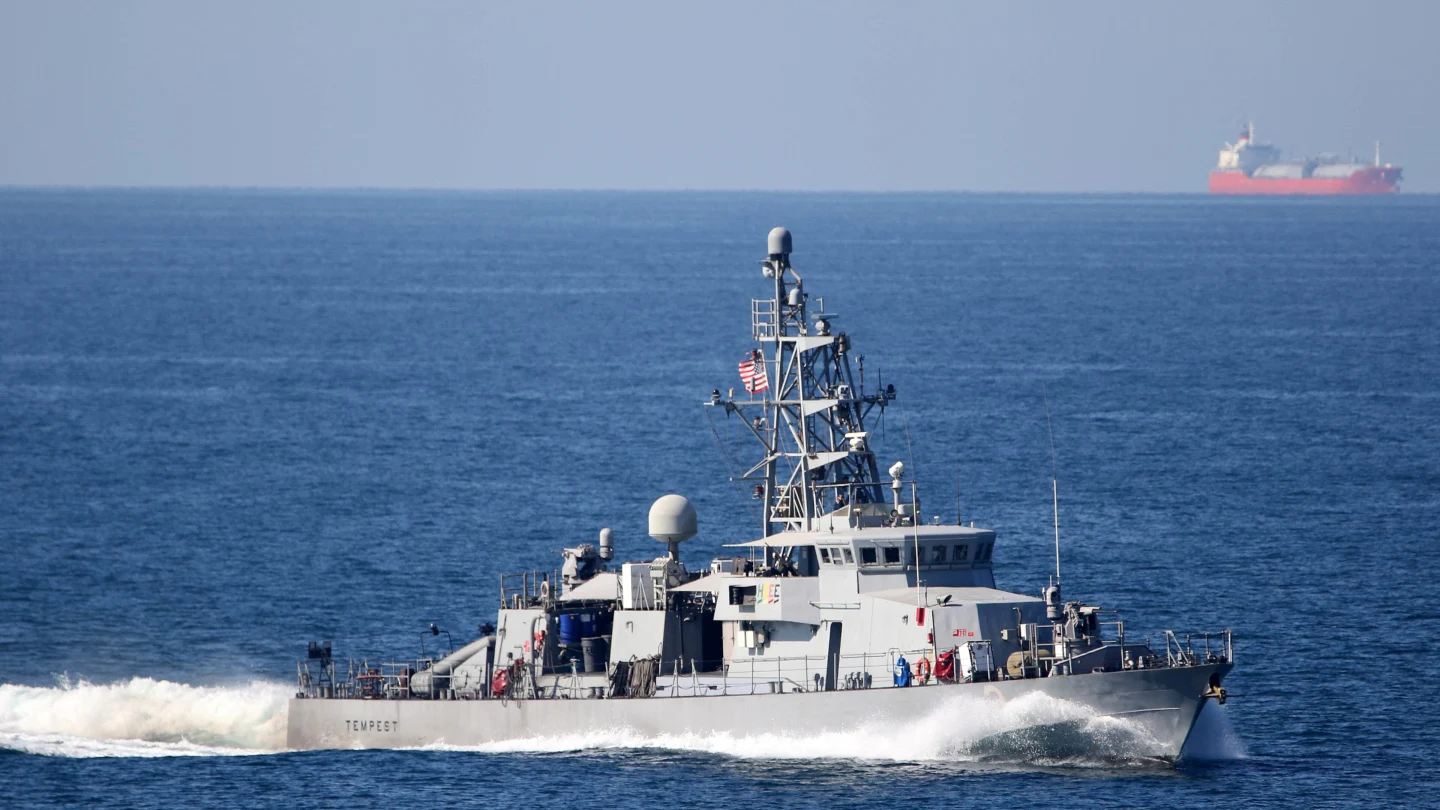
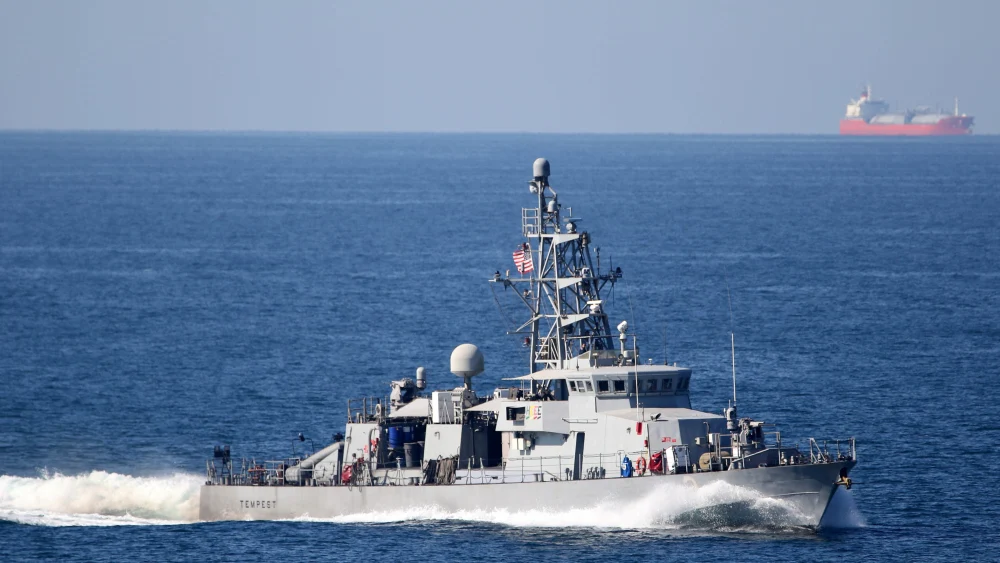
Tehran issued a list of conditions on Saturday for the reopening of the Strait of Hormuz, including that the U.S. “completely compensate” Iran for war damages, the Associated Press reported.
The U.S. must never threaten Iran again; it must permanently end hostilities in the region; it must lift the naval blockade of Iranian ports and withdraw its military from the area; and it must lift sanctions and “unconditionally” release frozen assets, the report cited Tehran’s Supreme National Security Council as saying in a statement published by its state broadcaster.
The council’s secretary, Mohammad Bagher Zolghadr, issued the statement, the report read.
The demands come on the backdrop of renewed negotiations between Tehran and Muscat over the opening of a new transit route in the Strait of Hormuz.
Oman is situated to the south of the strait.
Iranian Foreign Minister Abbas Araghchi said on Saturday that the sides are “very close” to finalizing an agreement.
Iran’s President Masoud Pezeshkian held a press conference in Tehran the same day, saying that now is the best time for an agreement to end hostilities, the report continued.
“There is cohesion, strength and unity in the country, and as far as I know, Iran is considered victorious and powerful in this war,” Iranian news agencies quoted him as saying.
Also on Saturday, U.S. Vice President JD Vance spoke to Fox News, saying that Washington is talking to the Iranian regime and is looking to “maximize the amount of oil and gas that is coming out of the Strait of Hormuz.”
Vance said that U.S. forces destroyed Iran’s nuclear program and conventional military in the war that started on Feb. 28, and now Washington is “trying to see if [the Iranians are] willing to make the kind of long-term changes that would be necessary to have a better relationship with the United States—and if not, that’s fine too.”
.@VP: We're talking to the Iranians, of course. We're trying to maximize the amount of oil and gas that is coming out of the Strait of Hormuz. We're just trying to make sure that we get what we need out of this particular conflict. We've destroyed their nuclear program, we've… pic.twitter.com/Nqc6KHLL93
Meanwhile, the Pentagon has instructed U.S. defense manufacturers to rapidly increase weapons production and deliveries as the war with Iran depletes stocks of several critical munitions, according to a Defense Department memo obtained by The Washington Post.
U.S. Deputy Defense Secretary Steve Feinberg on Aug. 5 gave industry leaders 21 days to submit plans for significantly faster deliveries or increased production of priority weapons, writing that “years-long development cycles are not acceptable.”
The report comes days after U.S. President Donald Trump said that the United States had “massive amounts” of munitions and that defense companies were rapidly expanding production. U.S. Defense Secretary Pete Hegseth separately rejected a CNN report claiming the military had depleted nearly 80% of the interceptor stockpile for a key missile-defense system.
Israel: Iran ‘not to be trusted’
A spokesman for Prime Minister Benjamin Netanyahu said on Saturday that Israel supports Trump’s diplomatic effort to curb Iran’s nuclear program but is prepared to act militarily if Tehran refuses to comply.
Doron Spielman, the prime minister’s new international spokesperson, told Newsmax that Iran is “not to be trusted,” describing the government in Tehran as “an absolute terror regime, a genocidal terror regime that seeks to wreak enormous havoc both in Israel and the United States” that “will not have access to a nuclear weapon.”
Spielman said preventing a nuclear-armed Iran was the central point of agreement when Netanyahu and Trump met at the White House two weeks ago.
Israel would prefer a negotiated outcome, he said, but it has not ruled out the use of force.
“We also prefer not to send our pilots and our men and women to the area,” Spielman said. “However, if this does not succeed, if the easy way does not succeed, then we will move forward with this and the hard way.”
He said last summer’s U.S. and Israeli strikes on Iranian nuclear sites had prevented “the rise of the Fourth Reich.”




Get the latest updates in our WhatsApp group.
Test yourself on one question pulled from JNS reporting. New puzzles daily.




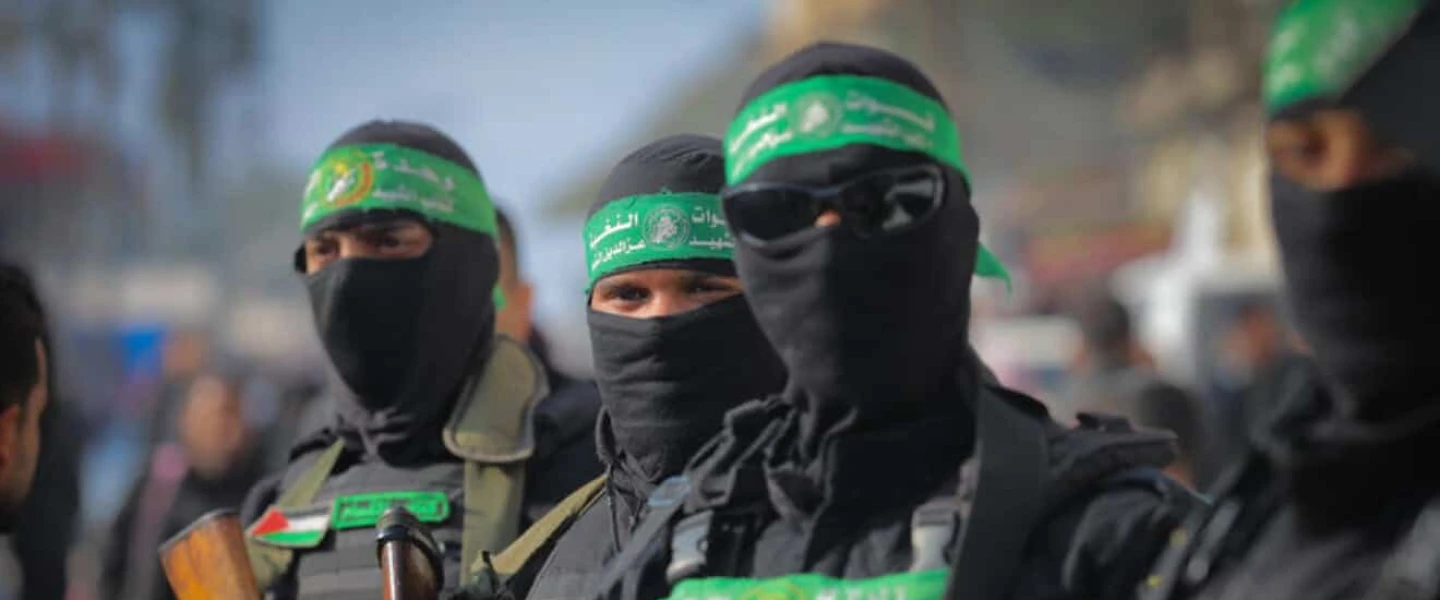


Iran has outlined several conditions for reopening the Strait of Hormuz, demanding that the U.S. "completely compensate" for war damages, end hostilities, lift its naval blockade and sanctions, and release frozen assets. These demands were issued by Tehran's Supreme National Security Council amid renewed negotiations with Oman over a new transit route in the Strait. Iranian President Masoud Pezeshkian stated, "There is cohesion, strength and unity in the country, and as far as I know, Iran is considered victorious and powerful in this war." U.S. Vice President JD Vance confirmed Washington is engaging with Iran to maximize oil and gas flow from the Strait, noting that the U.S. destroyed Iran's nuclear program and conventional military in the recent conflict. Meanwhile, the Pentagon has urged defense manufacturers to accelerate weapons production due to depleted stocks from the war with Iran. Israel, through Prime Minister Netanyahu's spokesperson Doron Spielman, expressed support for diplomatic efforts but warned that if negotiations fail, Israel is prepared to act militarily, stating Iran is "not to be trusted."
© All rights to the original article belong to the source. Din Online shows a headline, an excerpt and a link only. The objectivity rating is computed automatically and is an estimate only.
Discussion
No comments yet — be the first to comment.