Iran digs in on demands over Hormuz as mediators assert progress made toward deal
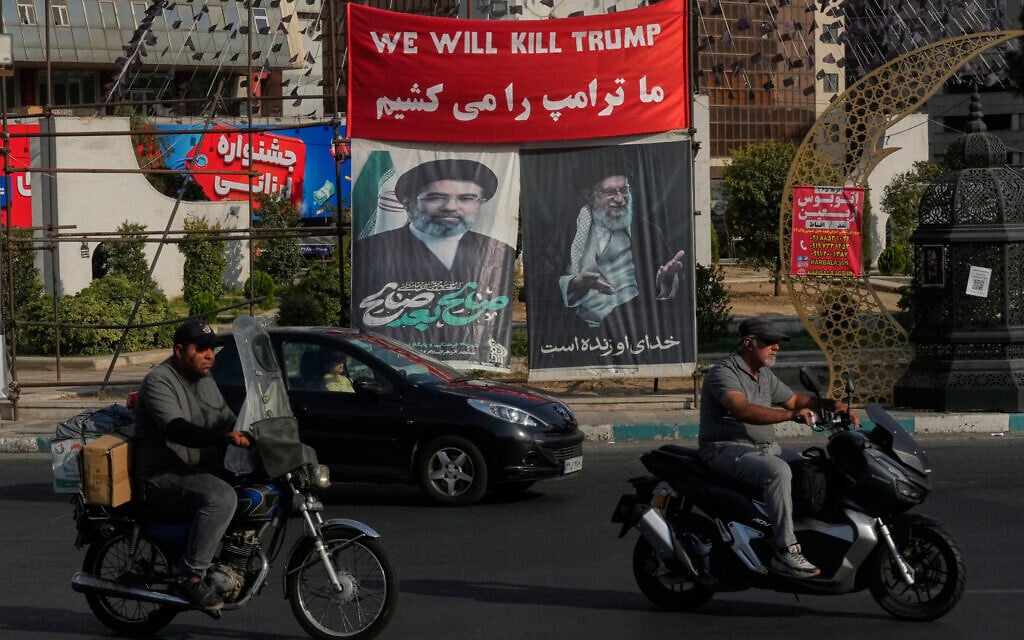
An Iranian official vowed Tuesday not to reopen the Strait of Hormuz unless the US gives in to all of its demands, while key mediators Qatar and Pakistan indicated that “some sort of a deal” was nevertheless close to being reached.
Mohsen Rezaei, the head of Iran’s National Security Council, said Tuesday that the US must end the war — including in Gaza and Lebanon — release frozen Iranian assets, and meet the rest of Iran’s conditions, according to the semi-official Tasnim outlet.

A potential agreement on the strait between Iran and Oman will not guarantee the opening of the strait, he added.
And Iranian Foreign Minister Abbas Araghchi said on his Telegram channel Tuesday that he reiterated similar demands in a phone call with his German counterpart a day earlier.
Araghchi wrote that in a call with Germany’s Johann Wadephul late Monday, he had “emphasized that making the Strait of Hormuz secure requires an end to the United States’s aggressive actions and unlawful interventions, including the naval blockade and other violations of US obligations.”
Wadephul said on X that he had emphasized “the Strait of Hormuz needs to be opened unconditionally ensuring free and safe navigation for all.”
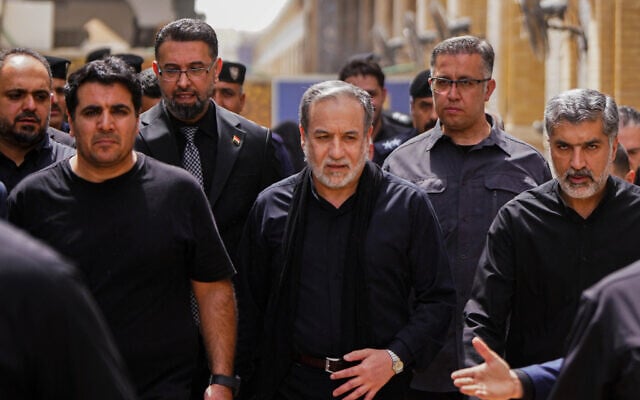
Meanwhile, Araghchi asserted to reporters that Iran has “astonished the whole world” in the war against the United States and Israel, proving “that it is a tough and invincible power.”
But Doha and Islamabad — key mediators between Washington and Tehran — appeared to express optimism on Tuesday that a deal could be close to finalized.
Pakistani Defense Minister Khawaja Asif told Bloomberg News in an interview Tuesday that the United States and Iran are close to “some sort of an arrangement.”
“Things are shaping up again in favor of a peace arrangement or a deal,” Asif told Bloomberg. “The signals in the last two-three days are that we are close to some sort of an arrangement.”
And two officials told the Associated Press that Pakistani Interior Minister Mohsin Naqvi traveled Tuesday to Tehran for talks aimed at encouraging Iran to resume negotiations with the United States under an interim peace deal brokered by Pakistan in June.
The officials spoke on condition of anonymity because they were not authorized to speak to the media, and they provided no further details.
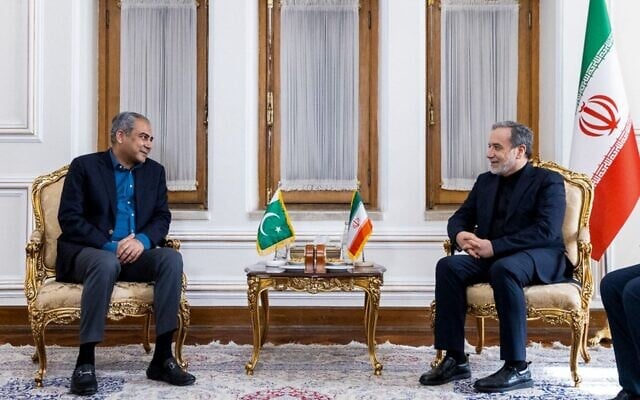
Pakistan’s government had not publicly announced Naqvi’s visit. It is his sixth trip to Iran as part of Pakistan’s diplomatic efforts to ease tensions between Iran and the US.
In addition, Qatar Foreign Ministry spokesman Majed al-Ansari said during a briefing Tuesday that talks between Oman and Iran on the future of shipping in the Strait of Hormuz are now in an advanced stage.
Ansari said that the priority is to ensure freedom of navigation in the Strait of Hormuz, and to restore the pre-war situation in the waterway. Any future arrangements around the strait, he says, should be based on “regional concurrence and full respect for international law.”
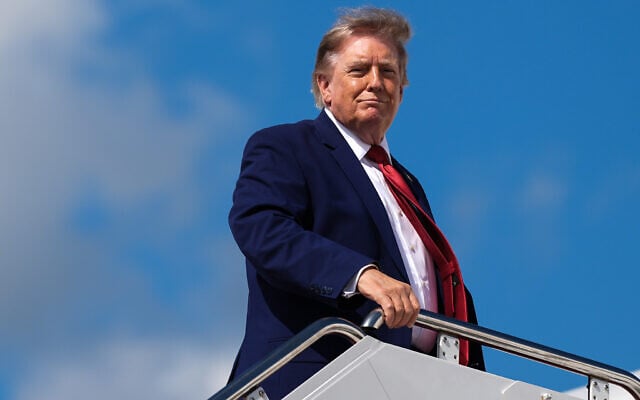
But US President Donald Trump said late Monday that he was “sort of” negotiating with Iran and still weighing whether to pursue diplomacy or renewed fighting — echoing comments he has made repeatedly in recent weeks.
In an interview released late Monday with Real America’s Voice, Trump accused Iran of being “devious negotiators” and described some of his current options in the war — “just bop along” and let Tehran fail economically or hit them “really, really hard.”
“I’m sort of negotiating,” Trump said. “They’re very devious negotiators.”
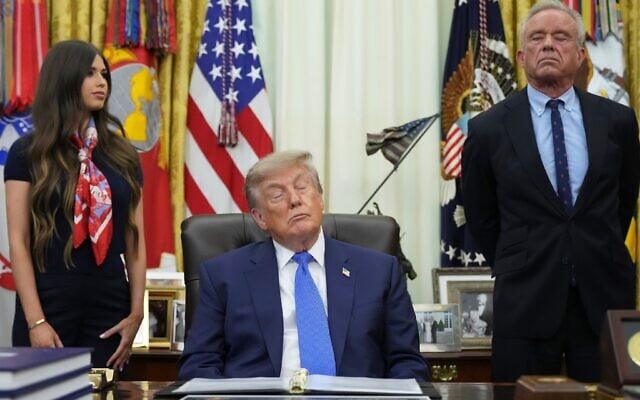
The US president described one of his possible strategies as: “Do what I’m doing now: just bop along and look how bad they’re doing.”
“Economically, they are a mess. They can’t borrow money. We control their money, what they had, which is a lot. They had a lot, and we have total control of it. I’m their banker,” he said, referring to frozen Iranian assets.
Another option would be to “hit them really, really hard,” Trump said.
Trump also shrugged off concerns of low munitions, saying the US was “building them like crazy” and cast blame on his predecessor, former US president Joe Biden.
“We’re fine with munitions… But the reason it would be lower, and we’re building them like crazy, but the reason it’s low is because [Biden] gave $300 billion worth to Ukraine,” Trump asserted.
Analysts say the US only provided Ukraine with around $30 billion in existing munitions and weapons, a figure that is dwarfed by the amounts used during the 2025 war with Iran as well as the fighting that began this year on February 28.
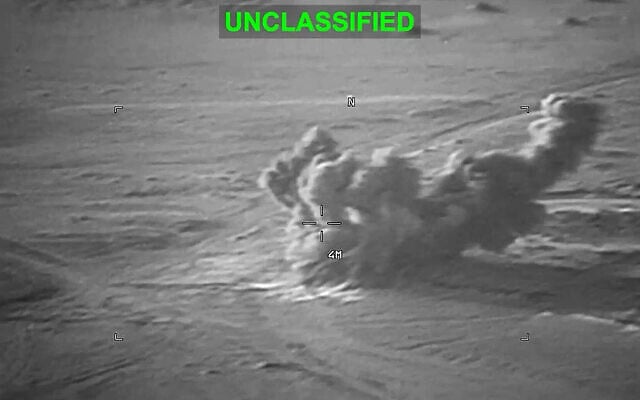
Despite tentative signs of progress in diplomacy, there were reports of new attacks on shipping in the Gulf of Oman and the Red Sea on Tuesday, highlighting the widening threat to maritime trade.
A US military helicopter fired at the rudder of a Panama-flagged ship after its crew ignored warnings from personnel working to enforce a naval blockade on Iranian ports, the Wall Street Journal reported Tuesday, citing a US official.
There were no immediate reports of casualties from the incident, the report said, adding that the ship appeared to be trying to transfer its crew to another civilian vessel after the attack.
British maritime risk management group Vanguard and a maritime security source said earlier that, according to initial assessments, the Panama-flagged container ship Vela Nova was believed to have been hit by a missile when sailing through the Gulf of Oman.

As a multimedia journalist, my job is to take the quality, fact-based journalism produced by The Times of Israel newsroom and make it accessible across every platform — from Instagram posts to podcasts to short-form videos.
This is how many, especially young people, consume news these days. But misinformation is rampant on social media. Our team at ToI produces accurate, responsible short-form reporting on Israel and the Jewish world.
If you believe in the importance of factual social media journalism, please consider joining our reader support group, The Times of Israel Community. Your financial support is essential to sustain responsible multimedia reporting.
— Gabriella Jacobs, multimedia journalist

We’re really pleased that you’ve read X Times of Israel articles in the past month.
That’s why we started the Times of Israel – to provide discerning readers like you with must-read coverage of Israel and the Jewish world.
So now we have a request. Unlike other news outlets, we haven’t put up a paywall. But as the journalism we do is costly, we invite readers for whom The Times of Israel has become important to help support our work by joining The Times of Israel Community.
For as little as $6 a month you can help support our quality journalism while enjoying The Times of Israel AD-FREE, as well as accessing exclusive content available only to Times of Israel Community members.
Thank you, David Horovitz, Founding Editor of The Times of Israel






© All rights to the original article belong to the source. Din Online shows a headline, an excerpt and a link only. The objectivity rating is computed automatically and is an estimate only.
Discussion
No comments yet — be the first to comment.