Iran’s new command structure is built for the long haul
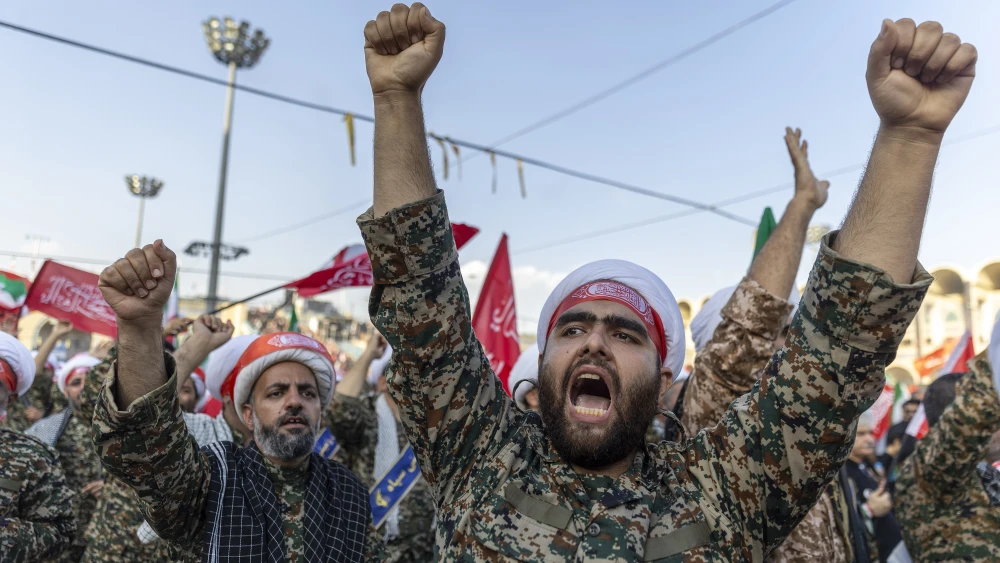
Iran’s latest military and security appointments send Israel two messages at once: 1) The Islamic Republic is preparing for the possibility of a prolonged confrontation. 2) Strikes against senior commanders, however damaging, will not by themselves be sufficient to paralyze the country’s military decision-making system.Its new Supreme Leader, Mojtaba Khamenei, formally filled six senior military positions on Aug. 10. A day earlier, former Islamic Revolutionary Guard Corps commander Mohsen Rezaei was appointed secretary of the Supreme National Security Council and one of Khamenei’s representatives on that body.Taken together, these decisions suggest an effort to convert an improvised wartime chain of command into a more durable structure. At the same time, the urgency and scope of the appointments reveal how seriously previous Israeli and U.S. strikes disrupted the upper levels of Iran’s military establishment.Some of the decrees formalized arrangements that had already been functioning for months. Ahmad Vahidi and Ali Azmaei,…

Iran has implemented a significant reorganization of its military and security command structure, signaling preparations for a prolonged confrontation and aiming to enhance the regime's resilience against external strikes. On August 10, Supreme Leader Mojtaba Khamenei formalized six senior military appointments, following the previous day's appointment of Mohsen Rezaei as secretary of the Supreme National Security Council. These changes aim to convert an improvised wartime chain of command into a more durable and integrated system, capable of absorbing repeated strikes without losing cohesion or political control.
- The integration of the Armed Forces General Staff with the Khatam al-Anbiya Central Headquarters, Iran’s principal joint operational command, is a key development, with Ali Abdollahi now chief of staff of the Armed Forces.
- The appointments suggest a focus on a "war of endurance" rather than territorial conquest, emphasizing the defense of Iranian territory and the ability to impose costs over time.
- The formalization of leadership within the IRGC navy, led by Ali Azmaei, highlights the strategic importance of the Strait of Hormuz as an instrument of leverage to broaden conflicts into international economic problems.
- Hossein Taeb's return to command the Basij militia indicates a strategy to link external defense with internal control, aiming to prevent external military crises from escalating into internal political instability.
© All rights to the original article belong to the source. Din Online shows a headline, an excerpt and a link only. The objectivity rating is computed automatically and is an estimate only.
Discussion
No comments yet — be the first to comment.