Iran's Shadow Play: A Mullahs' Gambit, an American Wager

The Gathering Storm Over Tehran
A storm is brewing in the Middle East, its epicenter Tehran, its tendrils reaching across the Red Sea and deep into Lebanon. The escalating tensions surrounding Iran have made it one of the most-searched topics on Google in Israel this week, reflecting a palpable anxiety about the future of regional stability. What started as a contained conflict has blossomed into a multi-front struggle, intertwining proxy wars, American electoral politics, and the ever-present specter of nuclear proliferation, all while the global economy feels the pinch of disrupted oil flows.
From the Houthi advances in Yemen threatening vital shipping lanes to the destruction of Iranian-backed underground infrastructure in Lebanon, the situation is dynamic and deeply concerning. President Trump's pronouncements further muddy the waters, suggesting a strategic patience tied to domestic politics while simultaneously reaffirming his commitment to the conflict. This isn't merely a regional spat; it's a global flashpoint, with profound implications for energy markets, international alliances, and Israel's security.

Trump's Calculated Delay: Elections and Stability
President Trump has repeatedly linked the duration of the conflict with Iran to the upcoming US midterm elections, stating,
"The confrontation with Iran will end immediately after the midterm elections."
This assertion suggests a deliberate strategy, where geopolitical action is, at least in part, calibrated against the domestic political calendar. When pressed on why he isn't actively seeking to overthrow the Iranian regime, Trump responded, "Perhaps because of the elections. I want to maintain stability." This reveals a fascinating, if concerning, dynamic: the White House is seemingly prioritizing electoral considerations over a more decisive military intervention, even as it maintains that Tehran is "in deep trouble."

This electoral calculus, however, doesn't imply inaction. Trump has emphatically stated that he doesn't regret the current conflict, asserting,
"If I had to do it again – I would do exactly the same thing."
This suggests a belief that the current pressure campaign, despite its protracted nature, is the correct course. The administration is walking a tightrope, aiming to project strength and resolve while avoiding a full-scale war that could be politically damaging before the elections. This delicate balance, however, risks emboldening Iran and its proxies, who may interpret US restraint as weakness.
The Proxy Battlegrounds: Yemen and Lebanon
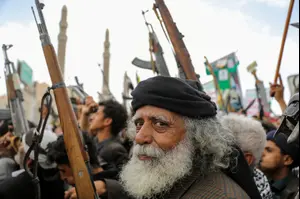
While the US leadership deliberates, the ground truth in the Middle East is shifting rapidly. In Yemen, Iranian-backed Houthi rebels have made significant advancements, capturing the port city of Mokha and reaching the Hanish Islands. This strategic move intensifies the threat to the Bab al-Mandab Strait, a critical choke point for global shipping and Saudi oil exports. The financial impact is already evident, with diesel prices in the US crossing $6 a gallon and Brent crude surpassing $105, as the Strait of Hormuz remains largely paralyzed.
In response to the Houthi threat, more than 100 American military advisors are now reportedly assisting Saudi Arabia, providing intelligence and support from a newly established joint operations center. This deployment, confirmed by CNN sources, underscores the escalating US involvement, even if direct intervention is being avoided. Meanwhile, in Lebanon, Israel has dealt a significant blow to Iran's regional infrastructure, destroying over two kilometers of underground tunnels in the Ali Taher ridge. This operation, involving 1,100 tons of explosives, demonstrates Israel's commitment to "striking the Iranian axis" and has reportedly left Lebanese observers lamenting the destruction of "the magnificent Iranian project." These proxy battlegrounds illustrate the true cost of the conflict, far removed from Washington's political calculations.

A Dangerous Diplomatic Dance and the Nuclear Threat
Amidst the escalating hostilities, a surprising diplomatic overture has emerged: Gulf foreign ministers are reportedly meeting with their Iranian counterpart to hash out a temporary arrangement for vessel movement. This marks the first such high-level meeting since the war began, indicating a regional desire to de-escalate, at least concerning maritime security. This regional initiative comes after the Financial Times reported that Saudi Crown Prince Mohammed bin Salman twice appealed to President Trump to attack the Houthis, requests that were rebuffed by the US administration, which clarified it had "no intention of intervening directly." This highlights a divergence in strategy, with regional powers seeking direct US military action while Washington prefers a more circumspect approach.
Underlying all these dynamics is the existential threat of Iran acquiring nuclear weapons. President Trump has starkly warned, "If Iran had nuclear weapons, they would wipe out Israel and the Middle East." This chilling assessment underscores why preventing a nuclear Iran remains a core, albeit often unspoken, tenet of both US and Israeli policy. The combination of regional proxy wars, US electoral considerations, and the looming nuclear threat creates a highly volatile environment, where a misstep could have catastrophic consequences.
- Electoral Influence: US policy towards Iran is significantly shaped by the upcoming midterm elections.
- Proxy Escalation: Houthi advancements and Israeli strikes in Lebanon demonstrate an intensifying proxy conflict.
- Economic Repercussions: Disrupted shipping lanes and oil price hikes are having a global economic impact.
- Regional Diplomacy: Gulf states are attempting direct dialogue with Iran amid US reluctance for intervention.
- Nuclear Imperative: The threat of a nuclear Iran remains a critical, overarching concern for the region and the world.
The original layer often missed in current coverage is the historical parallel to Cold War proxy conflicts, where superpowers avoided direct engagement but fueled regional wars through proxies, arms, and intelligence. The incentives for Iran are clear: project power, destabilize rivals, and gain leverage for a future nuclear program. For the US, it's about containing Iran without getting bogged down in another Middle Eastern quagmire, especially before elections. The second-order effects are already visible: soaring energy prices, humanitarian crises in Yemen, and increased regional mistrust, making any long-term peace agreement increasingly difficult. The Middle East isn't just a chessboard; it's a powder keg, and every move carries immense risk.
What to Watch Next
Keep a close eye on the outcomes of the Gulf-Iran diplomatic meetings regarding maritime security; any tangible agreement could signal a willingness for broader de-escalation, or conversely, a mere tactical pause. Monitor the Houthi advances along the Red Sea and any further US military assistance to Saudi Arabia; this will indicate the red lines for direct US intervention. Finally, observe President Trump's rhetoric and actions post-midterm elections; his stated intention to end the conflict then could lead to a dramatic shift in strategy. Will the world witness a decisive resolution or merely a continuation of this high-stakes, simmering conflict?

Coverage Sources & References:
- טראמפ: "העימות עם איראן יסתיים מיד אחרי בחירות האמצע" [ישראל היום]
- דיווח ב-CNN: יותר מ-100 יועצים צבאיים אמריקנים מסייעים לסעודיה נגד החות'ים [ערוץ 7]
- דיווח: טראמפ סירב לסעודיה; שרי החוץ במפרץ ייפגשו עם נציג איראני [ישראל היום]
- טראמפ "אם לאיראן היה נשק גרעיני, הם היו מוחקים את ישראל" [וואלה]
- טראמפ על איראן: אין לי חרטות, הייתי עושה זאת שוב [ערוץ 7]
- כך נראתה הלחימה בתת-קרקע: התיעודים החדשים מרכס עלי טאהר [וואלה]
- בלבנון תופסים את הראש: "הפרויקט האיראני המפואר הפך לערמת פירורים" | צפו בתיעוד [מעריב]
- החות'ים מתקדמים לאורך הים האדום – והדיזל בארה"ב חצה לראשונה 6 דולר לגלון [וואלה]
An original opinion-analysis column by the Din Online desk, based on current coverage from a range of sources. Views expressed are the desk’s own. Some content is produced with automated tools.
Discussion
No comments yet — be the first to comment.