Israeli scientists make plants produce milk protein, paving way for cow-free dairy
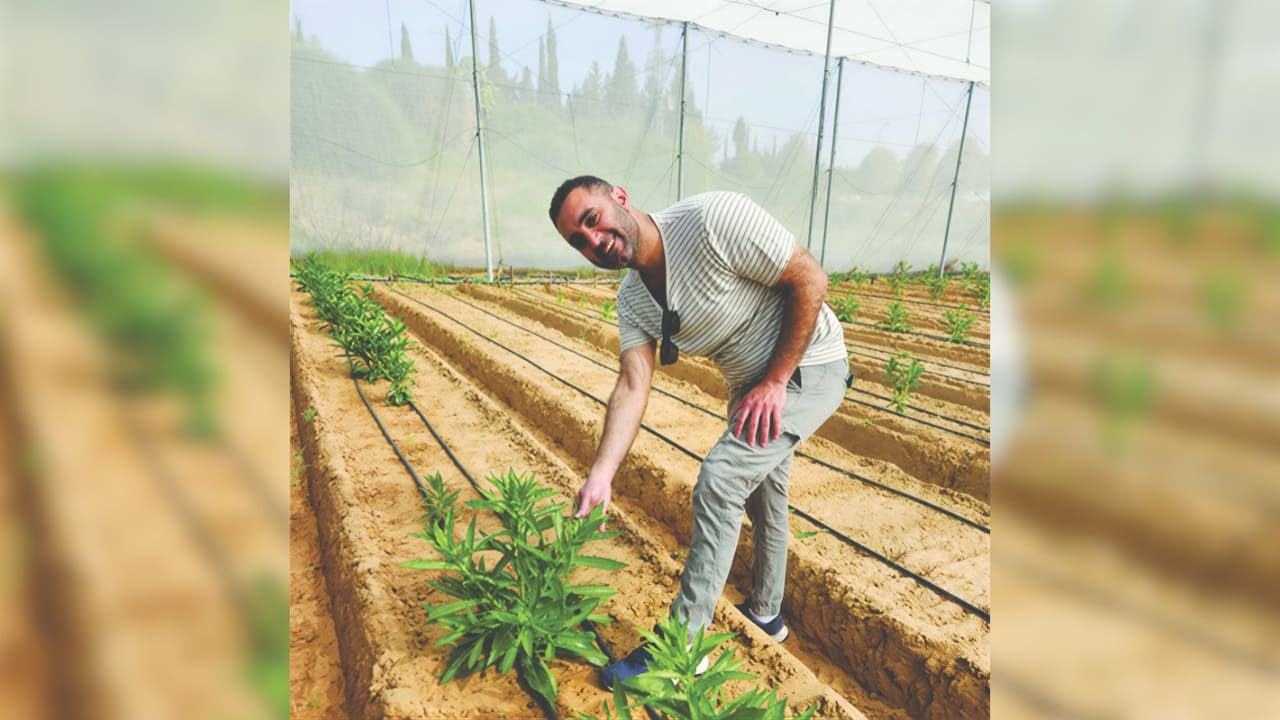
The discovery would thus help overcome a major hurdle in producing real dairy proteins without cows, paving the way for more sustainable dairy ingredients and less climate change.

Hebrew University of Jerusalem scientists, led by Prof. Oded Shoseyov, have successfully engineered plants to produce beta-casein, a key milk protein, as detailed in their study published in Frontiers in Plant Science. The research, which used Arabidopsis (thale cress) as a model, revealed that the protein accumulated in an unexpected location within plant cells, suggesting a novel biological pathway. This discovery could enable the production of dairy proteins without cows, offering a more sustainable and cost-effective alternative to traditional dairy and precision fermentation. Prof. Shoseyov stated, "The protein absolutely behaves like real dairy ß-casein – even better." The team aims for commercialization within 18-24 months, with safflower as the intended agricultural crop, and anticipates discussions with the FDA. This technology could also have implications for the pharmaceutical industry, though the primary focus remains on food security and sustainable dairy.
© All rights to the original article belong to the source. Din Online shows a headline, an excerpt and a link only. The objectivity rating is computed automatically and is an estimate only.
Discussion
No comments yet — be the first to comment.