Jewish law exempts self-incrimination not testimony, rabbis say after Fauci pleads ‘no comment’ 111 times
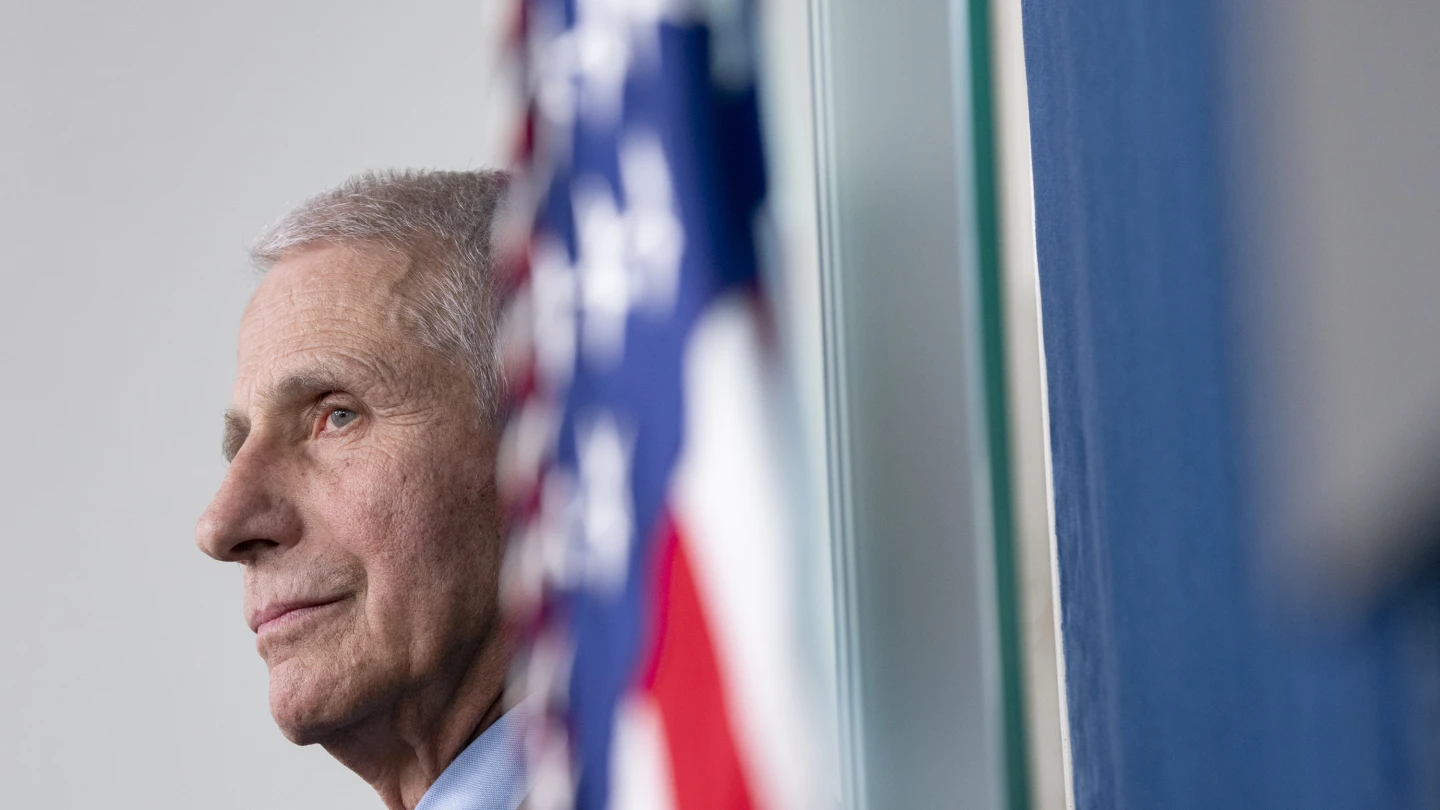
Rabbinic law operates on a principle that “a man may not make himself out to be evil,” but the Talmud also states that “silence is like agreement.” That means, two Orthodox rabbis told JNS, that it’s complicated what Jewish tradition has to say about Dr. Anthony Fauci declining to answer questions under the Fifth Amendment 111 times during a Senate Homeland Security Committee hearing last week.Fauci is a former head of the National Institute for Allergy and Infectious Diseases and chief medical adviser to former U.S. President Joe Biden, who pardoned Fauci on Jan. 19, 2025. The doctor’s response to the COVID-19 pandemic was the focus of the Senate panel hearing.“As a lawyer and former attorney general of my state, I can tell you that when you get immunity, you can’t invoke the Fifth,” Sen. Josh Hawley (R-Mo.) stated. “Fauci came in and invoked the Fifth because he is guilty…

During a Senate Homeland Security Committee hearing, Dr. Anthony Fauci invoked the Fifth Amendment 111 times, declining to answer questions regarding his role as former head of the National Institute for Allergy and Infectious Diseases and chief medical adviser to former U.S. President Joe Biden. This prompted discussion among Orthodox rabbis on how Jewish law views self-incrimination versus testimony.
- Rabbi Mark Goldfeder stated that while Jewish criminal law protects against self-incrimination, even refusing confessions, this right does not extend to providing an accounting, especially for public servants. He noted, "Congressional oversight is not a capital trial."
- Goldfeder emphasized that a public servant's obligation requires demonstrable innocence, citing the Mishnah's requirement for Temple officials to dress without pockets to avoid suspicion of theft.
- Rabbi Yaakov Menken commented that Fauci's refusal to answer even simple questions made him appear to have "something to hide," distinguishing this from the Jewish legal principle that exempts individuals from self-incrimination in criminal matters.
- Both rabbis indicated that while Jewish law protects against self-incrimination in criminal cases, it does not support a public servant's refusal to provide an accounting or answer questions in a civil or oversight context.
© All rights to the original article belong to the source. Din Online shows a headline, an excerpt and a link only. The objectivity rating is computed automatically and is an estimate only.
Discussion
No comments yet — be the first to comment.