Lithuania's Jewish partisan bunkers caught between Holocaust memory and military expansion
Lithuania was for centuries a center of rich Jewish thought, religious life and secular culture; Vilna, as the capital was known in Yiddish, was nicknamed the “Jerusalem of the North.”

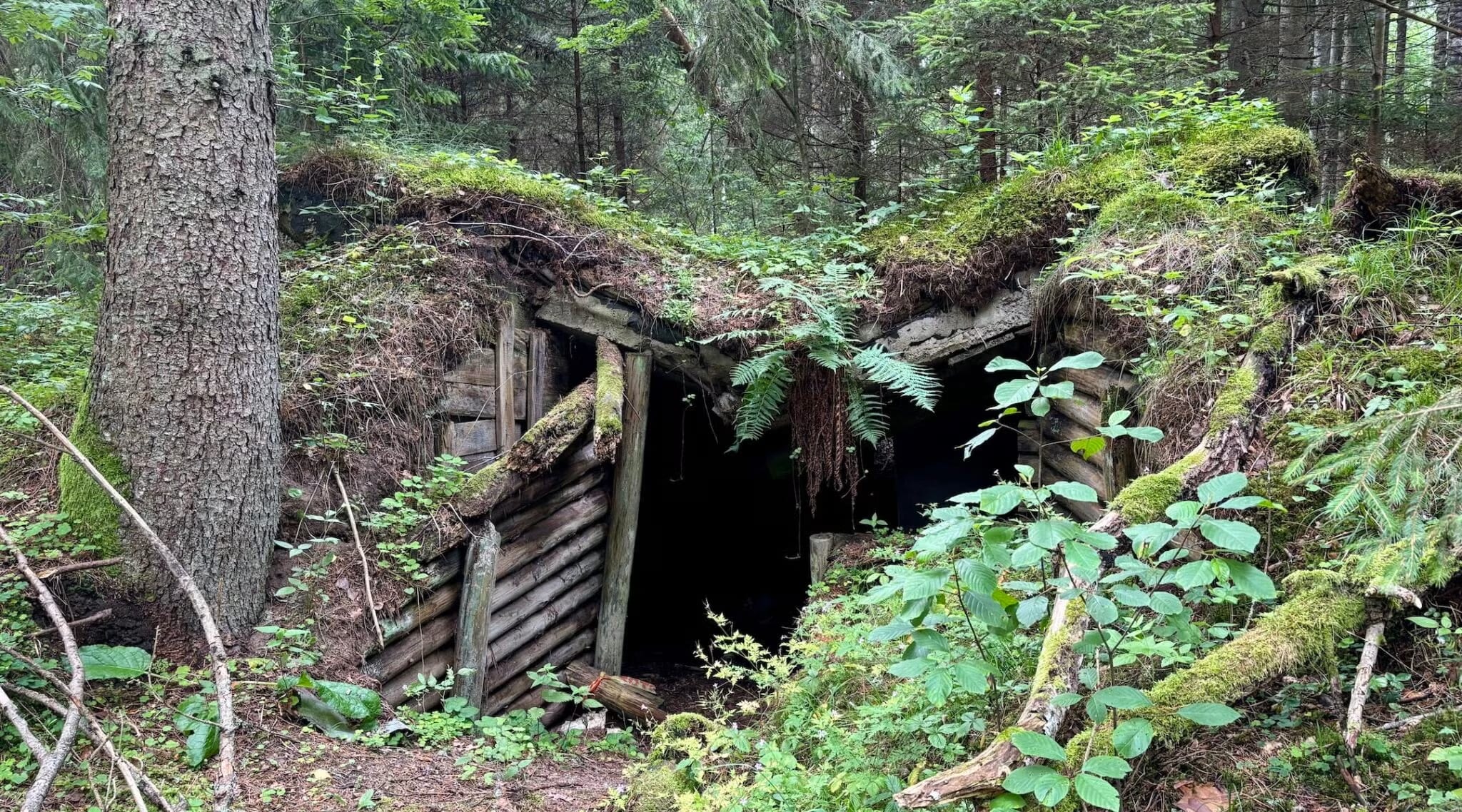
The Rūdninkai Forest in Lithuania, site of Jewish partisan bunkers from the Holocaust, faces an uncertain future due to the construction of a new German military base. Approximately 400 Jews escaped the Vilnius ghetto to this forest, forming resistance groups against the Nazis. These bunkers, which are not protected as cultural heritage sites by the Lithuanian government, are the only memorial to Jewish resistance in the country. Access to the area is becoming restricted with new signs, raising concerns among Jewish history tour guides and descendants of partisans.
"But now, there are 'don't enter' stickers and stop signs. It's becoming impossible to get there because they are closing all of the forest,"
said Aušra Mikulskienė, a Jewish history tour guide. The Lithuanian Ministry of Culture claims the bunkers are not authentic and are associated with Soviet partisans, a narrative that emerged during the Soviet era. Germany's federal government has stated its commitment to preserving the site as a place of learning and remembrance, noting that its preservation and access are Lithuania's responsibility. The last living Jewish resistance fighter from Rūdninkai Forest, Fania Brantsovsky, who died in 2024, advocated for the preservation of these bunkers.
© All rights to the original article belong to the source. Din Online shows a headline, an excerpt and a link only. The objectivity rating is computed automatically and is an estimate only.
Discussion
No comments yet — be the first to comment.