יום שישי, אוקטובר 30, 2026 עברית|English Log in Free sign-up
LIVE
Czech Embassy says diplomat killed in a traffic accident in Jerusalem, driver has been detainedIsraeli Arabs, Palestinians view path to coalition through political clout – analysisPresident Trump's tariffs have not decreased US trade deficits, German study showsIsrael’s Election Is Unlikely to Change Its Policies and Global Isolation‘Messy and complicated’: Stanford scholars expect long standoff in deadlocked Israel electionIsrael Election 2026 live updates: Likud maintians lead with 100% of votes inIsrael’s post-election uncertainty and the alliance built to outlast itMillie Magid: ‘We have to think about the future’Bus driver killed, dozens wounded in collision with tractor near NetivotUS general fired by Hegseth confesses to leaking classified information about Iran – reportIsrael Election Final Count: Netanyahu's Bloc Ends on 53 Seats, Lapid Declares "A Win Is a Win" as Coalition Talks BeginGaza’s residents sceptical on Palestinian votes in IsraelCzech Embassy says diplomat killed in a traffic accident in Jerusalem, driver has been detainedIsraeli Arabs, Palestinians view path to coalition through political clout – analysisPresident Trump's tariffs have not decreased US trade deficits, German study showsIsrael’s Election Is Unlikely to Change Its Policies and Global Isolation‘Messy and complicated’: Stanford scholars expect long standoff in deadlocked Israel electionIsrael Election 2026 live updates: Likud maintians lead with 100% of votes inIsrael’s post-election uncertainty and the alliance built to outlast itMillie Magid: ‘We have to think about the future’Bus driver killed, dozens wounded in collision with tractor near NetivotUS general fired by Hegseth confesses to leaking classified information about Iran – reportIsrael Election Final Count: Netanyahu's Bloc Ends on 53 Seats, Lapid Declares "A Win Is a Win" as Coalition Talks BeginGaza’s residents sceptical on Palestinian votes in Israel
News

Long-lost Byzantine-era vines are again cultivated on ancient Negev terraces
אוג 4, 2026 ·  Source: The Times of Israel 86Objectivity score86/100

Long-lost Byzantine-era vines are again cultivated on ancient Negev terraces

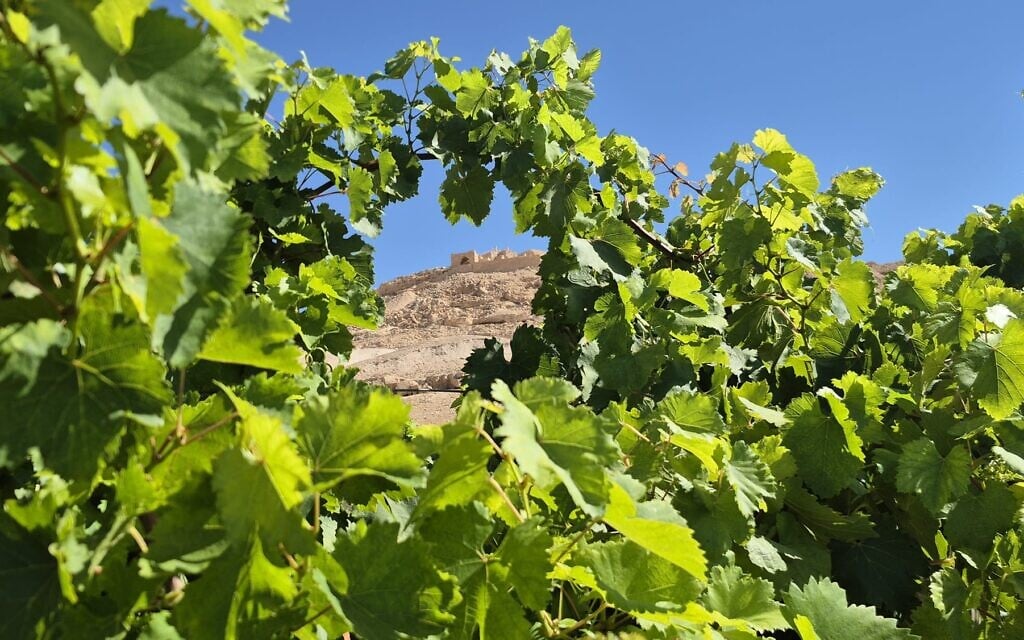
Sue Surkes is The Times of Israel's environment reporterFor the first time, oenophiles can now taste the closest thing to Byzantine-era wines grown in the parched Negev Highlands thanks to a project to cultivate ancient vine varieties at the Avdat National Park in southern Israel.The project was sparked by the discovery of well-preserved carbonized grape seeds during an archeological excavation that ran from 2017 to 2019 at Avdat, located between Beersheba and Mitzpe Ramon.The seeds, dated to the seventh century CE, were sent to Tel Aviv University for genetic analysis. One was found to be the ancestor of the Syriki variety, which has small black grapes and is still drunk in the monasteries of Lebanon and Greece. Another was identified as Ba’ar, which produces white wine.Lior Schweimer, Southern District heritage director and archaeologist for the Israel Nature and Parks Authority, obtained cuttings of Syriki and Ba’ar from feral plants found…

💬 Want to join the discussion and comment? Sign up — free, and get the weekly digest too.
🗞️ In-depth summary

A project at Avdat National Park in Israel's Negev Highlands has successfully cultivated Byzantine-era vine varieties, allowing for the first tasting of wines similar to those produced 1,300 years ago. The initiative began after carbonized grape seeds, dated to the seventh century CE, were discovered during a 2017-2019 excavation. Genetic analysis identified these as ancestors of the Syriki and Ba’ar varieties, with cuttings obtained from feral plants near the Gaza border. Planted in September 2023 on restored ancient terraces, the vines thrived, yielding grapes that were given to local winemakers. Lior Schweimer, the project's archaeologist, noted, "The [vines] grew like Jack and the beanstalk, without any disease, without any spraying, and twice as fast as the Chardonnay and Sauvignon vines grown in this area." Blind tastings by experts praised the Ba’ar and Syriki wines, which are expected to be available for sale at Avdat National Park next year and commercially within three to four years. This project also offers insights for global viticulture facing climate change, demonstrating the resilience of ancient varieties in desert conditions.

Automatically generated summary based on the original article; quotes are from the source.
This story is based on reporting by The Times of Israel.
Read the full article at the source →

© All rights to the original article belong to the source. Din Online shows a headline, an excerpt and a link only. The objectivity rating is computed automatically and is an estimate only.

Related

Discussion

No comments yet — be the first to comment.

Add a comment