Mamdani’s Netanyahu video fuels debate over the meaning of antisemitism
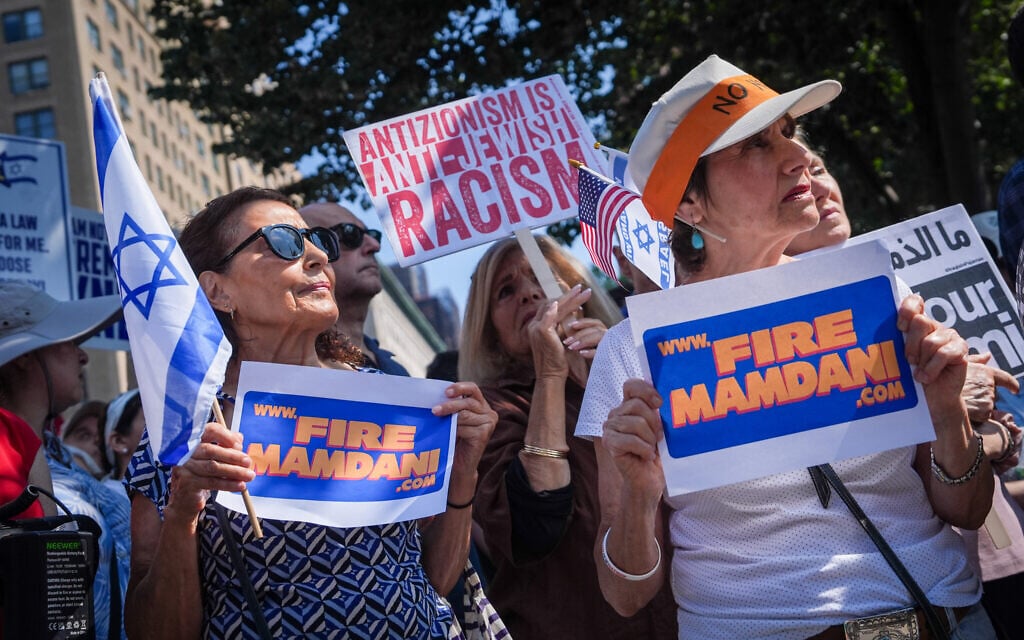
Defenders of NYC mayor say charge of Jew-hatred stifles foreign policy debate, but even some critics of Israeli PM say Mamdani's rhetoric crossed a line, made city's Jews less safe

A recent video by New York City Mayor Zohran Mamdani, in which he called Israeli Prime Minister Benjamin Netanyahu a “war criminal” and “architect of a horrific genocide,” has intensified debate over the definition of antisemitism and its relationship to criticism of Israel. Prominent Jewish leaders, including Rabbi Joshua Davidson of Temple Emanu-El, argued that Mamdani’s rhetoric, while potentially not antisemitic in intent, was “antisemitic in effect,” contributing to a climate where threats and violence against Jews could flourish. This reaction was particularly strong following a stabbing near a synagogue days after the video’s release, although a direct link was not established.
- Critics like Jonathan Greenblatt of the Anti-Defamation League suggested Mamdani’s rhetoric stemmed from an “antisemitic worldview,” while others focused on the impact of his anti-Israel statements on Jewish safety.
- Mamdani’s defenders maintain that legitimate criticism of Israel is not inherently antisemitic, with some suggesting accusations of antisemitism are used to stifle criticism of Israel.
- The controversy also highlights a division over the conflation of Zionism and Jewish identity, with some arguing that Mamdani’s anti-Zionism makes Jewish identity itself “morally tainted.”
- New York Times columnist Thomas Friedman criticized Mamdani’s video as a “political stunt,” urging him to focus on constructive solutions rather than divisive rhetoric.
© All rights to the original article belong to the source. Din Online shows a headline, an excerpt and a link only. The objectivity rating is computed automatically and is an estimate only.
Discussion
No comments yet — be the first to comment.