NASA finds some microbes could survive on moon, raising concerns over unintended life transfer
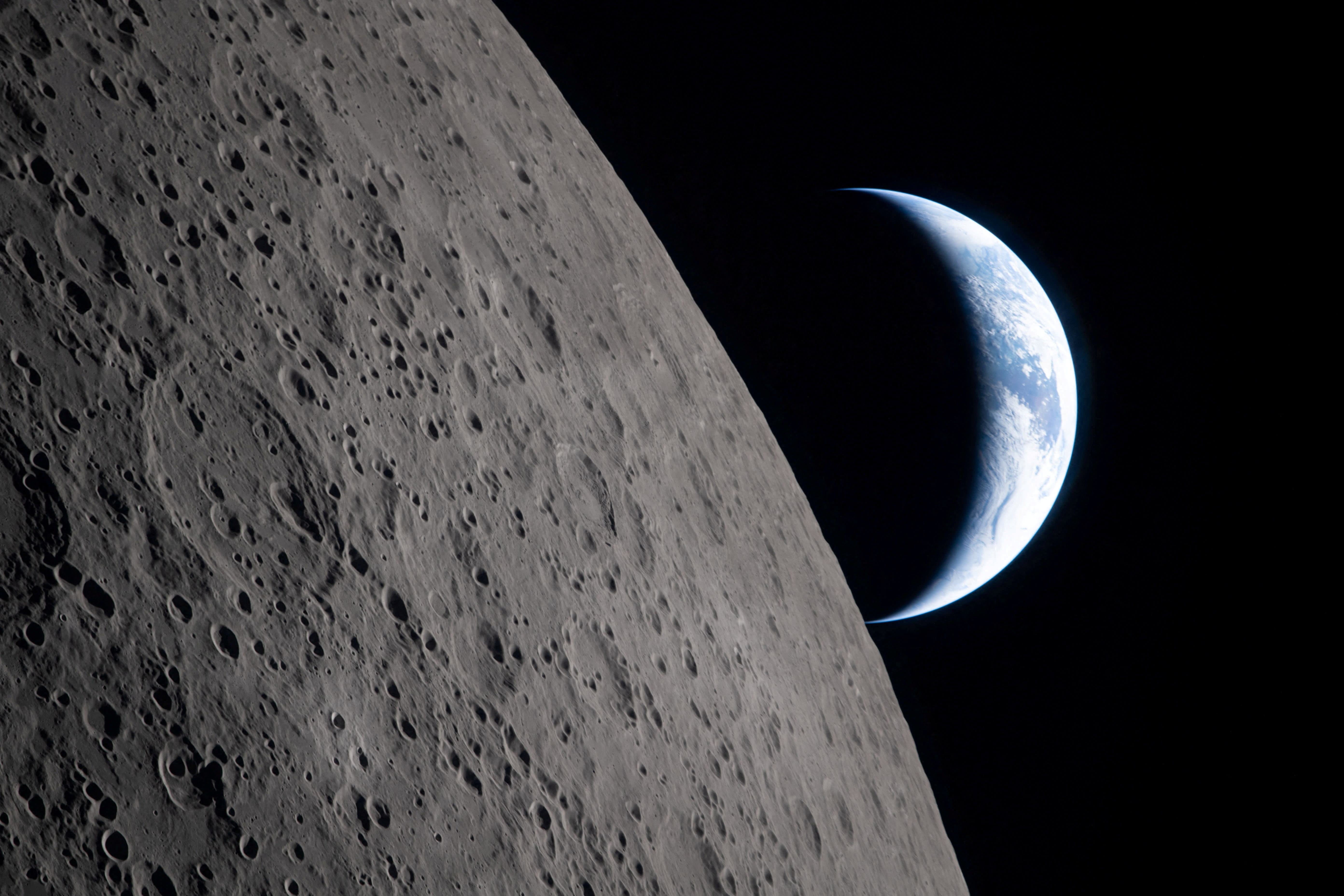
New research led by NASA scientists looking at five forms of fungi and bacteria indicates that some of them indeed could survive for a time under certain conditions on the lunar surface

New NASA-led research indicates that some microbes, including fungi and bacteria, could survive for weeks to months on the moon, particularly in permanently shadowed craters near the lunar South Pole during autumn and winter. The study, published in Science Advances, simulated lunar conditions and found that fungi, especially Aspergillus niger, were more resilient than bacteria like Deinococcus radiodurans. While the research focused on survival rather than growth or reproduction, scientists are concerned about unintended life transfer impacting future scientific operations and potentially contaminating lunar resources like water ice. As planetary scientist Prabal Saxena stated, "We found that the lunar South Pole and North Pole possess significant regions that may allow common human-associated microbes to survive long enough to impact scientific operations and exploration." This raises issues for upcoming missions, such as NASA's Artemis program, which aims to establish long-term moon bases.
© All rights to the original article belong to the source. Din Online shows a headline, an excerpt and a link only. The objectivity rating is computed automatically and is an estimate only.
Discussion
No comments yet — be the first to comment.