Netanyahu's Tightrope: Primaries, Peace, and Political Power Plays

The Eye of the Storm: A Nation's Obsession
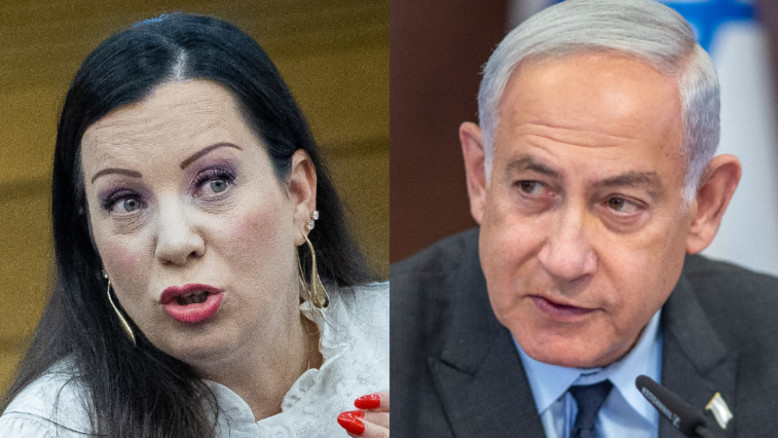
Few figures in Israeli public life command as much attention and generate as much fervent debate as Benjamin Netanyahu. This week, his name was not just a headline, but a top Google search in Israel, reflecting the nation's deep engagement with the myriad controversies and decisions swirling around him. From the intricate dance of Likud primaries to the high-stakes diplomacy concerning Gaza, Netanyahu remains firmly at the epicenter. His political maneuvering, both domestic and international, offers a fascinating glimpse into the complex challenges facing Israel today.
The Likud Labyrinth: Old Guards and New Forces
The Likud party primaries are rarely just a formality; they are a crucial barometer of the party's health and future direction. With 116 candidates vying for Knesset seats – 78 on the national list and 38 in districts – approximately 140,000 Likud members across 112 sites are casting their votes. The inclusion of eight reserved spots for Netanyahu underscores his continued influence, yet a significant shift is being watched closely: the potential weakening of traditional power blocs and organized deals.

"The internal elections in Likud are expected to provide a test today for one of the prevailing assessments among senior party officials and activists: whether the power of deals, organized groups, pressure points, and large recruiters – which characterized Likud's internal politics for decades – has indeed significantly weakened."
This assessment suggests a rise in "free voters" – members unaligned with specific groups or deals. If this trend holds, it could signal a more independent, less predictable Likud, impacting Netanyahu's ability to shape the party list as he has in the past. District candidates, who have historically expressed frustration over being relegated to lower-tier spots, might find new avenues for influence if the power of the old guard truly diminishes. Netanyahu, for his part, publicly stated regarding a specific controversy, "I don't interfere with the national list," a claim that will be scrutinized as results emerge.
Gaza's Crossroads: A Peace Plan Rejected, Regional Backlash Ignited
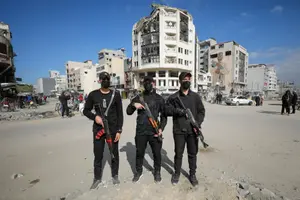
Perhaps the most explosive development this week was Netanyahu's outright rejection of the proposed Gaza 'roadmap,' a move that has sent diplomatic shockwaves across the region. US envoy Jared Kushner met with Hamas leaders – including Khalil al-Hayya – in Cairo, with UN Special Coordinator Nikolay Mladenov also present. Reports from "Sky News" in Arabic indicated a "positive" meeting, with Hamas reportedly committing to a 15-point agreement, including disarmament. Kushner reportedly praised Hamas's stance and urged them to adhere to the framework.
However, Netanyahu's swift rejection of the 'roadmap' drew immediate and sharp condemnation from a united front of eight Muslim-majority nations: Egypt, Jordan, UAE, Qatar, Indonesia, Saudi Arabia, Turkey, and Pakistan. Their joint statement accused Israel's move of "threatening Trump's intensified efforts to end the war in Gaza" and expressed full support for the initiative. This diplomatic rift highlights the **precarious balance** Netanyahu must maintain between international pressure for de-escalation and his own political imperatives, which often lean towards a hardline stance on security. The historical parallel here is striking: similar unified Arab responses have historically preceded periods of intense diplomatic isolation or regional realignment, suggesting that Netanyahu's decision could carry significant, long-term geopolitical consequences for Israel.
The Incentives and Second-Order Effects
Netanyahu's political calculus is complex. Domestically, rejecting a peace plan perceived as too favorable to Hamas might play well with his base, particularly during a contentious primary. It projects an image of strength and an unwavering commitment to national security. However, the second-order effects are significant: a potential further deterioration of relations with key regional players and, critically, with the United States, whose administration has invested heavily in this peace initiative. The US, having seemingly found common ground with Hamas on a framework, now faces a direct rejection from its closest ally in the region. This creates a difficult situation for American diplomacy and could incentivize other regional actors to distance themselves from Israel, potentially undermining future security cooperation.

Key Takeaways from a Tumultuous Week
- Likud's Evolving Power Dynamics: The primaries are testing whether 'free voters' are truly diminishing the influence of traditional party bosses and organized deals.
- Diplomatic Isolation Risk: Netanyahu's rejection of the Gaza peace plan has garnered a rare, unified condemnation from eight Muslim-majority nations, potentially impacting regional relations.
- US-Israel Strain: The direct opposition to a US-backed peace initiative could strain relations with Washington, despite shared strategic interests.
- Netanyahu's Balancing Act: He faces the constant challenge of satisfying his domestic political base while navigating complex international pressures.
What to Watch Next
The immediate aftermath of the Likud primaries will reveal the true strength of Netanyahu's influence over the party list and whether the "free voter" phenomenon is a genuine shift. Diplomatically, observe the response from the US administration to Netanyahu's rejection of the Gaza 'roadmap.' Will they pressure Israel further, or will they seek alternative avenues? The unity of the eight Muslim nations is also noteworthy; their sustained coordination could signal a new, more assertive regional bloc concerning Israeli-Palestinian issues. Finally, the broader implications for regional stability, particularly regarding ongoing efforts to normalize relations between Israel and other Arab states, remain to be seen.
Can Benjamin Netanyahu continue to walk this **tightrope** between domestic political survival and international diplomatic realities without ultimately destabilizing one or both?
Coverage Sources & References:
- הפריימריז בליכוד: 116 מועמדים יתמודדו על מקום ברשימה לכנסת [דבר]
- שליח ארה"ב קושנר נפגש עם בכירי חמאס בקהיר, וצפוי לפגוש את נתניהו [דבר]
- דיווח: חמאס התחייב להסכם 15 הנקודות – כולל פירוק הנשק [וואלה]
- בלי רמזים, בגלוי: דיון החירום הלילי והמהלך של נתניהו נגד טלי גוטליב [מעריב]
- חזית של 8 מדינות נגד ישראל: "מסכנת את מאמצי טראמפ לסיום המלחמה" [וואלה]
- נתניהו מגיב לסערת ינון מגל: "אני לא מתערב ברשימה הארצית" [מעריב]
- נבחרת ישראל זכתה במדליית הזהב הקבוצתית בריצת המרתון באליפות אירופה באתלטיקה קלה [דבר]
- "מאות צעקו מוות ליהודים – חששנו שנרצח": יהודי צרפתי חושף אירוע אנטישמי מטלטל [וואלה]
An original opinion-analysis column by the Din Online desk, based on current coverage from a range of sources. Views expressed are the desk’s own. Some content is produced with automated tools.
Discussion
No comments yet — be the first to comment.