‘New York Magazine’ faces backlash over edition critics say marginalizes Jewish, Israeli identities
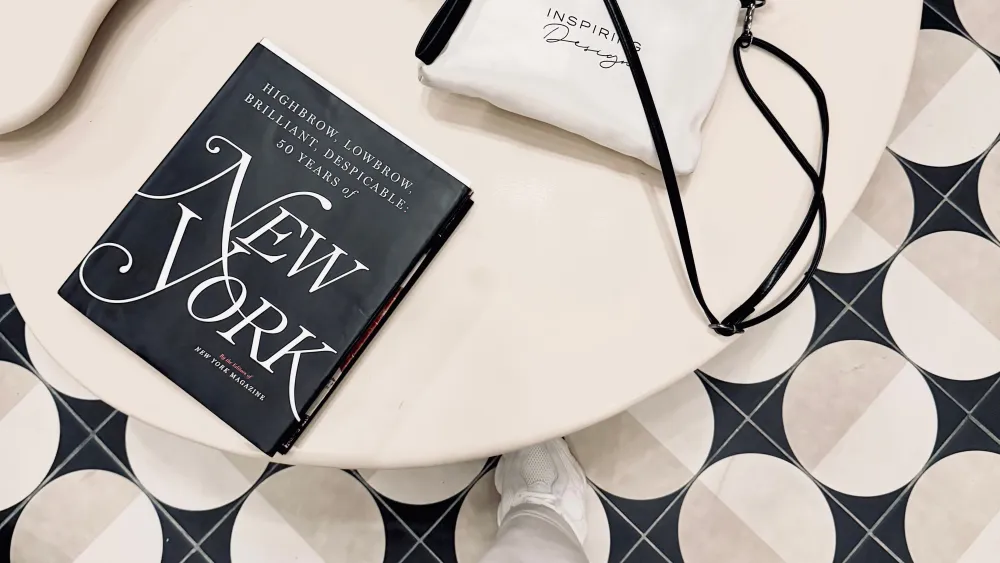
Biweekly publication New York Magazine is facing backlash over a recent cover package that critics say marginalizes Israeli and Jewish identities while highlighting New York’s Arab and Muslim communities.The edition, titled “Habibi City,” explores the growing influence of the city’s Southwest Asian and North African communities and focuses on celebrating “diasporas of Palestinians, Iranians and Yemenis” in New York under Mayor Zohran Mamdani.In the lead article, writer Zaina Arafat wrote that SWANA New Yorkers “still face xenophobia, Islamophobia and Zionism.” The article also described the growth of the SWANA cultural scene as being “born out of the resistance and protests in the months following Oct. 7.”Another article by Madeline Leung Coleman, focused on Middle Eastern restaurants, referred to Israel as “the land mass currently called Israel.” The article also discussed what it described as Israel’s “genocide” against Palestinians while referring repeatedly to Oct. 7 without mentioning the Hamas-led massacre in…

New York Magazine is facing criticism for its recent "Habibi City" edition, which focuses on New York's Southwest Asian and North African (SWANA) communities. Critics, including Jewish advocates and journalists, argue the edition marginalizes Jewish and Israeli identities while highlighting Arab and Muslim communities. The lead article by Zaina Arafat stated SWANA New Yorkers "still face xenophobia, Islamophobia and Zionism," and described the cultural scene's growth as "born out of the resistance and protests in the months following Oct. 7." Another article referred to Israel as "the land mass currently called Israel" and discussed Israel’s "genocide" against Palestinians without detailing the Hamas massacre of October 7. Former New York Magazine editor Mark Horowitz commented, "The current cover package on Arab and Muslim New York, a package that couldn’t find a way to celebrate one part of the city without also denigrating and erasing another, made me too sad to comment." The magazine's editorial board acknowledged the criticism, stating they "welcome and acknowledge good faith discussion and criticism" and take feedback from the Jewish community "seriously."
© All rights to the original article belong to the source. Din Online shows a headline, an excerpt and a link only. The objectivity rating is computed automatically and is an estimate only.
Discussion
No comments yet — be the first to comment.