Polls, blocs and mergers: Setting the stage for Israel Election 2026
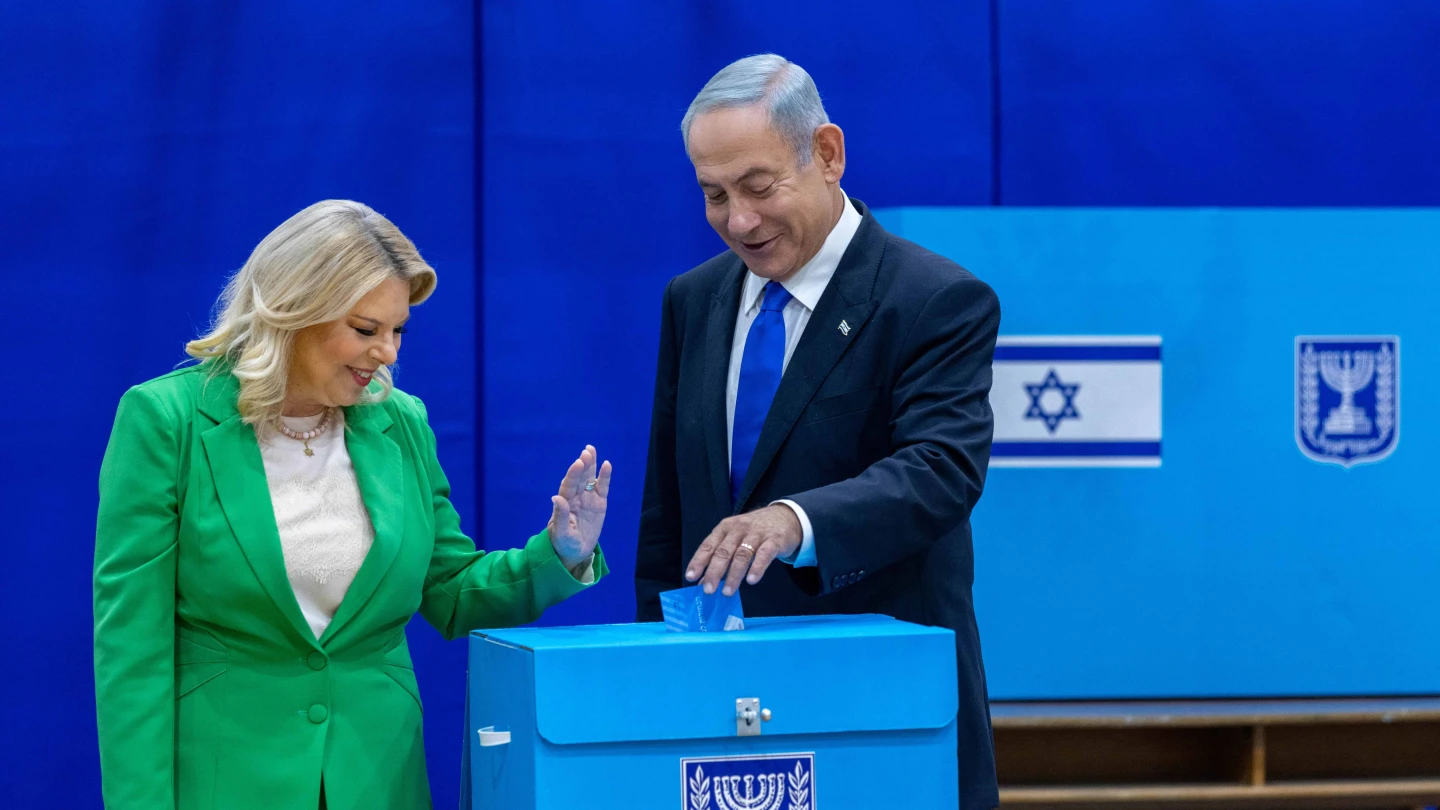
With the principal blocs separated by a handful of seats in most polls, the campaign could be decided less by movement between Netanyahu's Likud and Eisenkot's Yashar than by which smaller parties survive the 3.25% electoral threshold.

The 25th Knesset dissolved on Friday, initiating the campaign for Israel's national elections on October 27. Polls show Benjamin Netanyahu's Likud and Gadi Eisenkot's Yashar vying for first place, with their standing varying across different surveys. For instance, a July 5 Kan survey had both parties at 23 seats, while a July 15 Statista average put Likud ahead with 24.6 seats to Yashar's 21.9. The overall outcome may hinge on smaller parties surpassing the 3.25% electoral threshold, as both major blocs currently fall short of the 61 seats needed for a majority.
- Netanyahu's coalition faces internal strain, evidenced by departures like Yuli Edelstein, who stated, "I’ll set off on a new political path," and disputes over Likud's electoral slate.
- The Haredi parties are crucial to Netanyahu's bloc, but their demands on conscription, including legislation recognizing Torah study and halting arrests for draft dodgers, create political tension and electoral costs.
- Eisenkot's Yashar has gained prominence, appealing to a broad electorate due to his hawkish security reputation and undefined platform, positioning him as a potential prime minister for "all Israelis."
- The opposition, while often polling higher combined than the governing bloc, faces the challenge of forming a cohesive coalition from a diverse ideological spectrum.
© All rights to the original article belong to the source. Din Online shows a headline, an excerpt and a link only. The objectivity rating is computed automatically and is an estimate only.
Discussion
No comments yet — be the first to comment.