Pulled over or in a car accident? Be careful before saying sorry
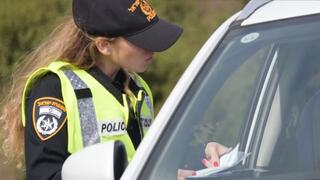
A lawyer explains when an apology to a police officer or after an accident could be interpreted as admitting an offense or accepting legal responsibility for damages

Drivers should exercise caution when apologizing to police or after an accident, as statements made out of embarrassment or a desire to de-escalate a situation could be interpreted as admissions of guilt. While an apology is a natural human response, it can be recorded in traffic reports or used as evidence in court, potentially confirming prohibited conduct or responsibility for an accident. For instance, saying "Sorry, I was only holding the phone for a second" effectively confirms holding the device. However, the word "sorry" alone is not an automatic conviction; context, precise wording, and other evidence are considered. After an accident, distinguishing between regret for the event and an admission of fault is crucial, especially since WhatsApp messages or other personal communications can also be used as evidence. Drivers should understand the accusations against them and ensure their statements reflect known facts, not speculation. Being cautious with words does not negate obligations like stopping, assisting the injured, and exchanging information. Consulting an attorney can help clarify the legal implications of statements made in such situations.
© All rights to the original article belong to the source. Din Online shows a headline, an excerpt and a link only. The objectivity rating is computed automatically and is an estimate only.
Discussion
No comments yet — be the first to comment.