יום שלישי, יולי 21, 2026 עברית|English Log in Free sign-up
LIVE
Live Updates: Latest from Israel, Iran, and Middle EastFrom ‘Ironclad’ Support to No Jewish State: NH Democrats Shift on IsraelUS wraps up tenth night of strikes on IranIsraeli Embassy Blasts Australian Ruling Party’s Conflict StanceIRGC claims two oil tankers ablaze in Strait of HormuzRahm Emanuel Says Israel’s Path Is “Not Sustainable Politically” | The New Yorker Radio HourIsrael's leading leftist party launches electoral campaignSaudi Arabia rejects Houthi blockade, vows to protect Red Sea shippingIDF nearly strikes right-wing Israeli activists mistaken for terrorists near Syrian borderMSF demands Israel release detained Palestinian health workersUS must explain Iran before time runs outExclusive | Israel Believes Iran Moved Nuclear Centrifuges Into Pickaxe MountainLive Updates: Latest from Israel, Iran, and Middle EastFrom ‘Ironclad’ Support to No Jewish State: NH Democrats Shift on IsraelUS wraps up tenth night of strikes on IranIsraeli Embassy Blasts Australian Ruling Party’s Conflict StanceIRGC claims two oil tankers ablaze in Strait of HormuzRahm Emanuel Says Israel’s Path Is “Not Sustainable Politically” | The New Yorker Radio HourIsrael's leading leftist party launches electoral campaignSaudi Arabia rejects Houthi blockade, vows to protect Red Sea shippingIDF nearly strikes right-wing Israeli activists mistaken for terrorists near Syrian borderMSF demands Israel release detained Palestinian health workersUS must explain Iran before time runs outExclusive | Israel Believes Iran Moved Nuclear Centrifuges Into Pickaxe Mountain
World

Rare well-preserved Iron Age wood offers evidence of First Temple’s destruction in Jerusalem
18h ago ·  By · based on reporting by The Times of Israel 86Objectivity score86/100

Rare well-preserved Iron Age wood offers evidence of First Temple’s destruction in Jerusalem

Ahead of Tisha B'av commemoration, archaeologists announce discovery of ruins from fires caused by razing of holy site in 586 BCE, likely kept as-is by returning Israelites

💬 רוצים להגיב ולהצטרף לדיון? הצטרפו — חינם, ומקבלים גם את הדיג׳סט השבועי.
🗞️ In-depth summary

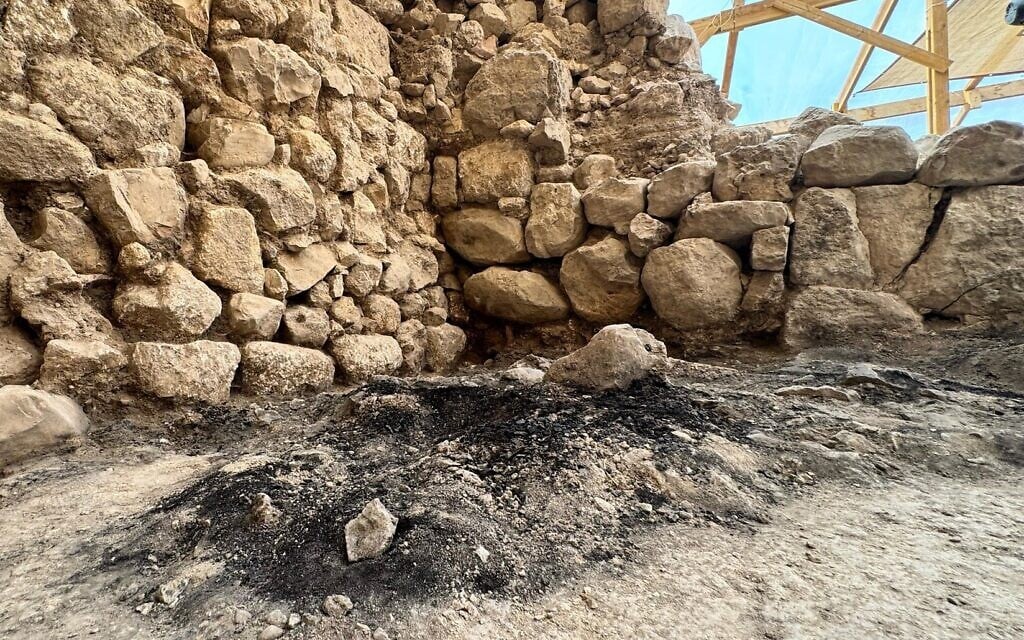
Archaeologists have unearthed rare, well-preserved sycamore and coniferous wooden beams in Jerusalem’s City of David, believed to have been burned during the First Temple’s destruction in 586 BCE. The Israel Antiquities Authority (IAA) and Tel Aviv University conducted the excavation in the Givati parking lot within the Jerusalem Walls National Park. Researchers suggest the beams formed a building's inner courtyard roof, collapsing and being sealed by melted plaster, which facilitated their exceptional preservation. This discovery offers significant research potential, with IAA expert Johanna Regev noting the wood's numerous growth rings allow for dating precision down to 10 years, a substantial improvement from previous hundreds-of-years ranges. Excavation co-director Yiftah Shalev posited that the charred remains were deliberately left intact by returning Israelites to preserve the memory of the destruction, a practice he described as "a deliberate choice to leave ruins in place as a testament to the destruction." The find is particularly poignant ahead of Tisha B’Av, the annual fast commemorating the Temple's destruction.

Automatically generated summary based on the original article; quotes are from the source.
This story is based on reporting by The Times of Israel.
Read the full article at the source →

The summary and context on this page were written by the Din Online desk based on the original article; any quotes are from the source. The full article and all rights to it remain with the source. The objectivity rating is computed automatically and is an estimate only.

Related

Discussion

No comments yet — be the first to comment.

Add a comment