Sarah Netanyahu: The Unseen Force in Israel's Political Storm
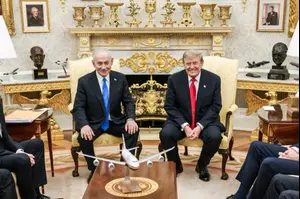
The political landscape in Israel is rarely tranquil, but this week, one figure, often in the shadows, has dominated public discourse and search queries: Sarah Netanyahu. Her name, a top Google search in Israel, isn't just a fleeting curiosity; it's a lightning rod for the controversies, anxieties, and fierce disagreements currently roiling the nation.
The First Lady's Gambit: Controversy and Consequence
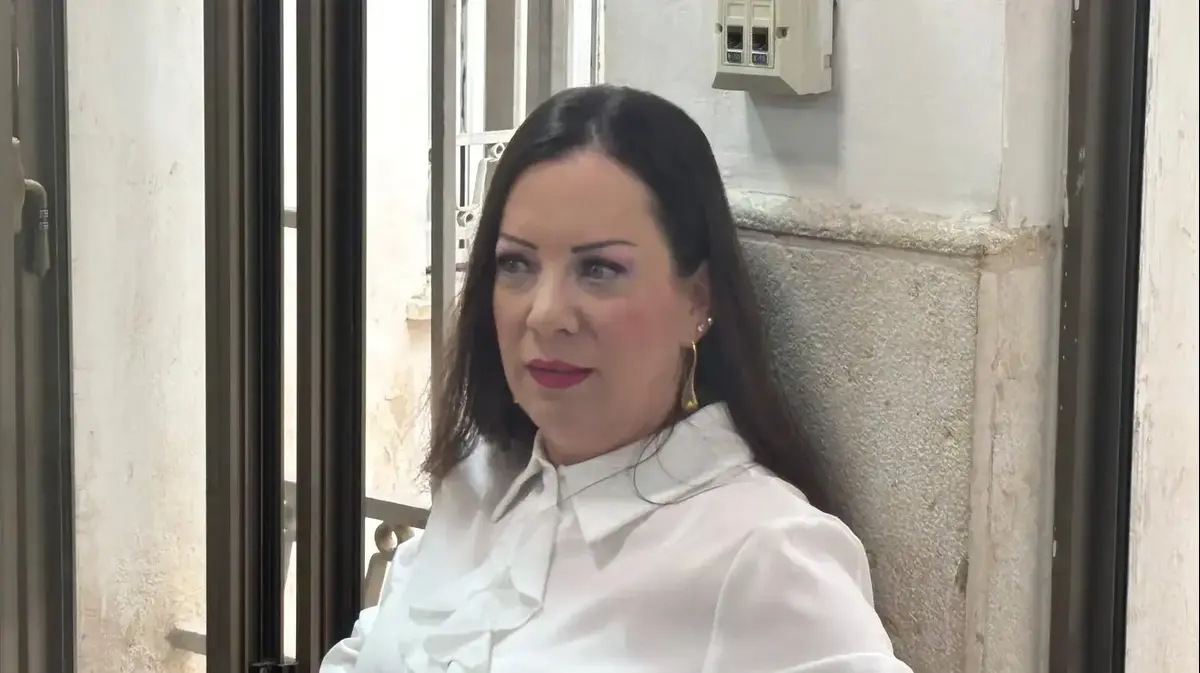
Sarah Netanyahu's recent interview, described as a "conspiracy theories interview," has thrust her directly into the national spotlight, alongside pop culture phenomena like Noa Kirel's latest clip. This seemingly innocuous media appearance, however, is far from trivial. It comes at a particularly fraught time for her husband, Prime Minister Benjamin Netanyahu, whose political maneuvers are being scrutinized more intensely than ever. Nir Hefetz, a former spokesperson for the Prime Minister, went so far as to predict that Sarah Netanyahu would "be forced to apologize" in court regarding her legal proceedings against Yair Golan, suggesting she might drag the process out until after the elections. This isn't just about a personal legal battle; it's a proxy war playing out in the public eye, with significant political implications. The timing and nature of her public statements, particularly during what Hefetz termed Netanyahu's "despair" and "panic" campaign, underscore the perceived fragility within the Likud"s camp.
 48-Inch Flexible LED Strip Diffuser: A Look for DIY Ambient Lighting
AliExpress See the review →
48-Inch Flexible LED Strip Diffuser: A Look for DIY Ambient Lighting
AliExpress See the review →
Netanyahu's Tightrope Walk: Elections and Alliances
As the deadline for party lists looms, Benjamin Netanyahu faces a critical juncture, preparing for a "battle that could decide the elections." In past elections, his strategic acumen ensured no votes were "burned" within his camp, leading to victory. However, this time, many potential Likud allies are struggling to clear the electoral threshold, creating a palpable sense that "the government is moving away." The recent agreement allowing Tali Gottlieb to run with Otzma Yehudit while remaining technically a Likud member exemplifies the kind of intricate, last-minute political engineering necessary to maintain the coalition's strength. This reflects a profound anxiety within the Likud about their ability to control their political bloc, a situation exacerbated by a growing sense of public disillusionment.
The Shadow of October 7th and a Nation's Trust
Perhaps the most damning shadow over the current political machinations is the aftermath of October 7th. Reports indicating that Prime Minister Netanyahu did not speak with the IDF Chief of Staff until 9:45 AM, despite receiving calls shortly after Hamas's attack began at 6:29 AM and 6:40 AM, have fueled public outrage and concern. This delay, framed as a failure of leadership, has led to a fierce debate about accountability and the very ethos of the state. Major General (res.) Israel Ziv sharply criticized the attacks on those who rushed to the Gaza envelope that day, stating,
"This is the difference between the ethos that built the state and the one that destroys it."
He accused the government of attempting to "blacken those who took responsibility," implicitly drawing a contrast between the proactive citizen response and perceived government inaction. This sentiment is amplified by the widespread belief that "police and citizens / reservists who took weapons and ran south" were the ones who truly saved the situation. The controversy highlights a crisis of trust between the public and its leadership, particularly concerning national security.
A Deepening Divide: Historical Parallels and Second-Order Effects
The current political climate, with its intense polarization and accusations of undermining foundational ethos, bears a striking resemblance to historical periods of national introspection and division in Israel. One could draw parallels to the 1970s, post-Yom Kippur War, when public trust in leadership was severely shaken, leading to significant political shifts. The focus on Sarah Netanyahu, while seemingly personal, is a manifestation of deeper societal anxieties. Her interview, and the subsequent reactions, are not just about her public image; they are a symptom of a broader political strategy to control narratives and deflect criticism, particularly in light of the October 7th intelligence failures. The **incentives** for the Likud to maintain a tight grip on messaging are clear: to mitigate the political fallout from the security failures and ensure electoral survival. A critical, often overlooked layer here, is the **second-order effect** of such public narratives: the erosion of faith in democratic institutions and the encouragement of a more insular, distrustful political culture, potentially leading to greater societal fragmentation. This makes the political discourse not just about elections, but about the very character of Israeli society.
Global Repercussions and Domestic Discontent
Adding another layer of complexity, 56 organizations in the US have urged Congress to remove a clause from the defense budget that would deepen military cooperation with Israel. This move, if successful, could significantly impact Israel's defense industries and technological development, illustrating the global scrutiny and diminishing international support, particularly from traditional allies. Domestically, the ongoing legal battles, the fierce political campaigning, and the persistent questions surrounding the events of October 7th combine to create an environment of intense public dissatisfaction. The story of Ze'ev Engelmayer, who received "dozens of explicit threats" on his life after shifting his art to focus on the hostages, underscores the vitriol permeating public discourse. This is a nation grappling with its identity, its leadership, and its future, all against a backdrop of unprecedented security challenges.
Key Takeaways:
- Sarah Netanyahu's public presence reflects a broader Likud strategy to manage public perception amidst political and security crises.
- The Likud faces an uphill battle to consolidate its electoral base, with coalition partners struggling to cross the threshold.
- The handling of October 7th continues to be a major point of contention, eroding public trust in leadership and sparking debates about national ethos.
- The current political climate is marked by **intense polarization** and a **crisis of trust**, with parallels to past periods of national introspection.
- The political maneuvering has **second-order effects** on democratic institutions and societal cohesion.
What to Watch Next
As election season intensifies, watch for further last-minute coalition agreements and a likely surge in highly charged public statements from all political camps. The ongoing legal proceedings against Sarah Netanyahu, and the broader narrative surrounding the events of October 7th, will continue to be critical barometers of public sentiment and political vulnerability. The **international dimension**, particularly the US Congress's decision on defense cooperation, will also be crucial. Will Israel's leadership manage to rebuild the public's trust, or will the current political storms irrevocably alter the nation's trajectory?


Coverage Sources & References:
- 56 ארגונים בארה"ב לקונגרס: הסירו את הסעיף להעמקת שיתוף הפעולה עם ישראל [וואלה]
- בבוקר 7.10: נתניהו לא ביקש לשוחח עם הרמטכ''ל לפני הערכת המצב – כשלוש שעות אחרי תחילת המתקפה [רוטר]
- רגע האמת מגיע: נתניהו נערך לקרב שעשוי להכריע את הבחירות [וואלה]
- ישראל זיו נגד המתקפה על יאיר גולן: "זה ההבדל בין האתוס שבנה את המדינה לזה שהורס אותה" [וואלה]
- מפלגת הליכוד אישרה: טלי גוטליב תוכל להתמודד בעוצמה יהודית | זה המקום המסתמן ברשימה [וואלה]
- ניר חפץ על שרה נתניהו: "בבית המשפט היא תיאלץ להתנצל" [וואלה]
- מסוכן לצפייה: בין הריאיון של שרה נתניהו לקליפ של נועה קירל [וואלה]
- "קיבלתי עשרות איומים מפורשים על חיי, התלוננתי למשטרה והיא לא עשתה כלום" [וואלה]
An original opinion-analysis column by the Din Online desk, based on current coverage from a range of sources. Views expressed are the desk’s own. Some content is produced with automated tools.
Discussion
No comments yet — be the first to comment.