Scientists use AI to create viruses not found in nature, simultaneously raising alarms, enthusiasm
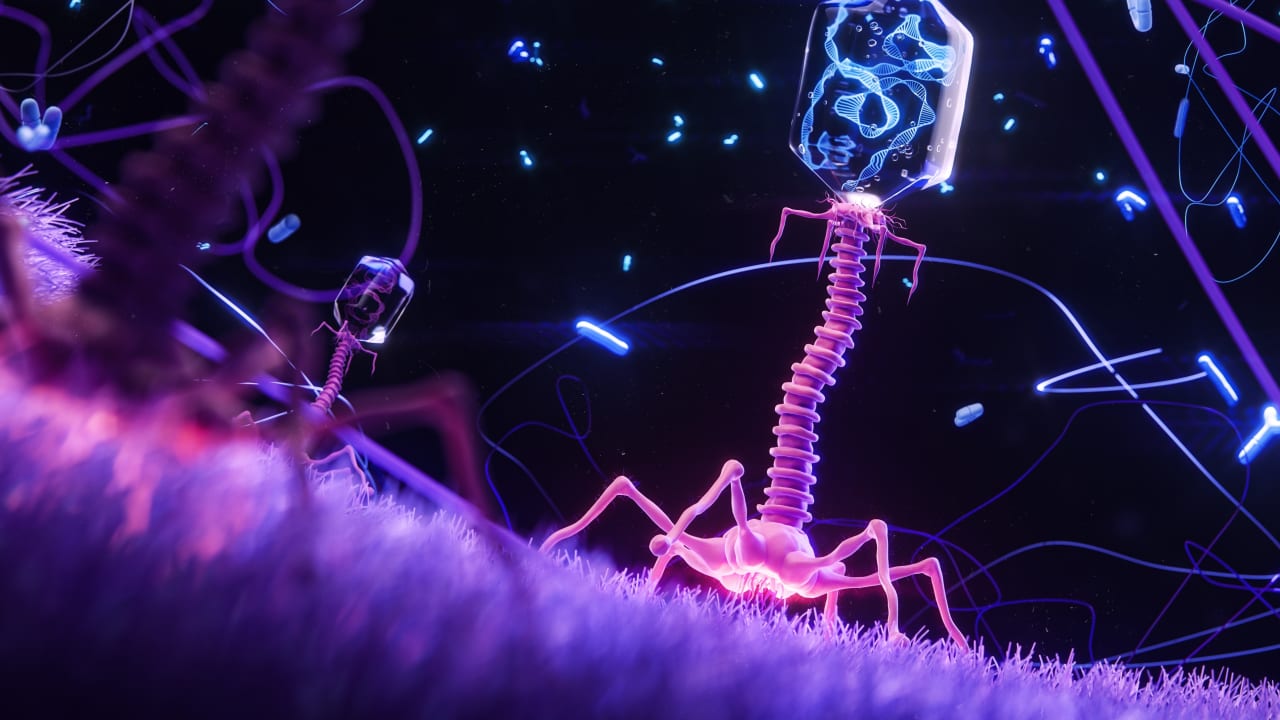
The viruses created in the Stanford Lab are bacteriophages, which exclusively target bacteria and may pose a solution to the rising global problem of antibiotic-resistant infections.

Stanford University researchers have utilized AI to create 16 functional bacteriophages, viruses that exclusively target bacteria, which are not found in nature. This innovation aims to combat rising antibiotic resistance, particularly against E. Coli, a concern previously highlighted in Israel due to its burden on public health. Chemical engineer Brian Hie developed EVO 2, a generative AI model, which, using the ΦX174 bacteriophage as a template, designed thousands of new genomes. Of these, 16 were viable and effective, offering a potential solution for new antibiotic medications. Hie explained, "If you have multiple genetically distinct phages in a mixture, it would be harder for the bacteria to develop resistance to the entire cocktail."
- While the AI is open source, safeguards were implemented to prevent the generation of viruses targeting animals, plants, or humans.
- Concerns have been raised by scientists like Thomas Inglesby and Moritz Hanke from Johns Hopkins University, who argue that existing biosafety regulations and international guidelines are insufficient for AI-generated pathogens.
- They advocate for national and global oversight, including legally mandated screening of synthetic nucleic acid orders, stating, "The question is no longer whether generative viral genome design will exist. It is whether society can build oversight that allows its benefits to unfold while preventing it from enabling serious harm."
© All rights to the original article belong to the source. Din Online shows a headline, an excerpt and a link only. The objectivity rating is computed automatically and is an estimate only.
Discussion
No comments yet — be the first to comment.