Study offers new answer to Dead Sea Scrolls calendar mystery
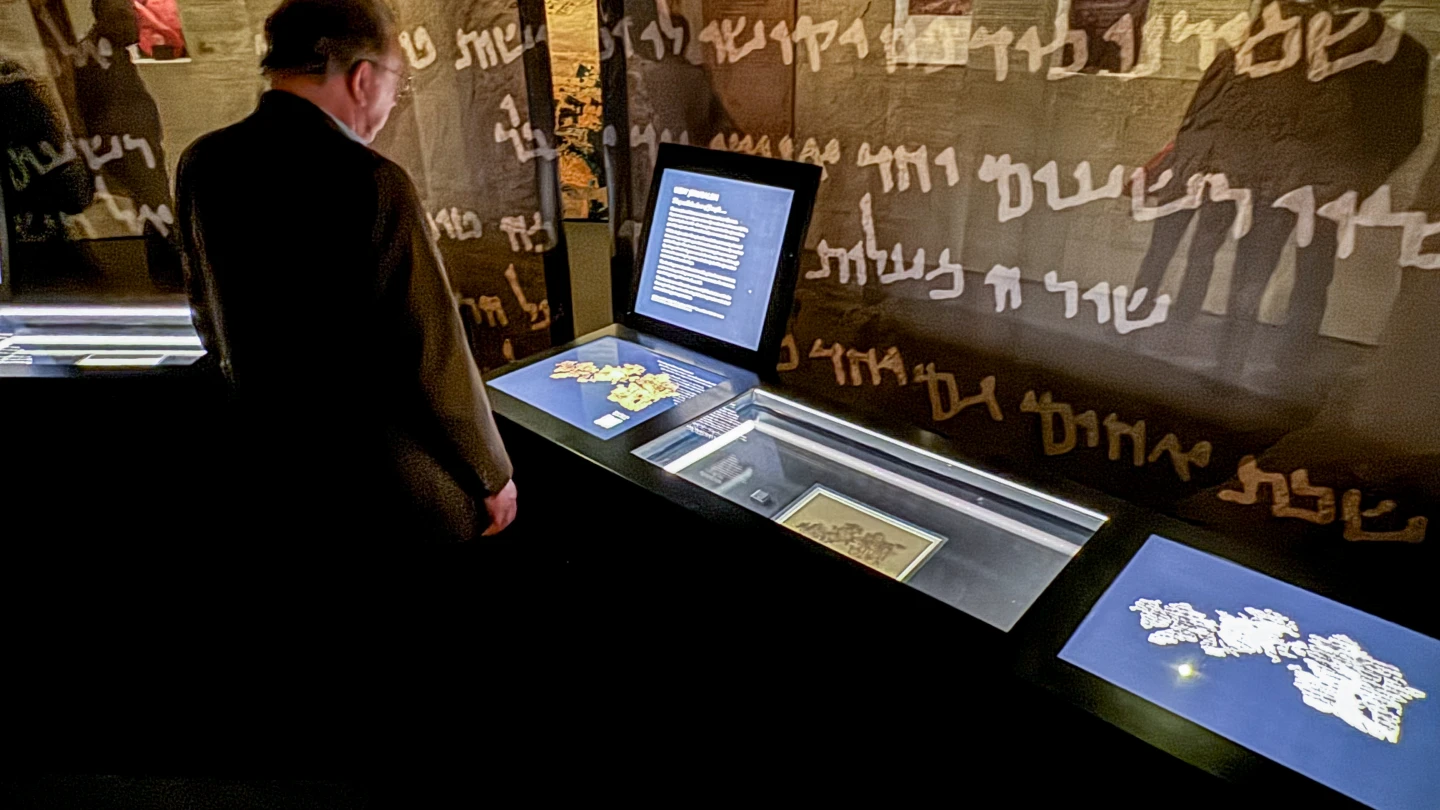
The scrolls, discovered starting in 1947, include the oldest known copies of large portions of the Hebrew Bible.

A new study by Professor Eshbal Ratzon of Tel Aviv University offers a resolution to the mystery surrounding the Qumran sect's 364-day calendar, as detailed in the Dead Sea Scrolls. The study suggests the calendar was actively used during the sect's early years in the second century BCE, driving their initial separation from Jerusalem's religious establishment due to differing views on festival timing. However, the calendar's inherent flaw—a quarter-day annual discrepancy with the solar year—caused festivals to drift out of sync with agricultural seasons. This practical issue, combined with improved political relations with Hasmonean ruler Alexander Jannaeus, led the Qumran community to abandon their calendar for the mainstream lunisolar one. Ratzon states, "It is quite possible that the calendar was in fact used for a certain period of time, but then, losing its practical role due to both inherent problems and political changes, became a religious ideal and a symbol of identity." The sect preserved the 364-day calendar as an idealized model, believing it would be restored in the future. This challenges previous theories that the calendar was either corrected or never used practically.
© All rights to the original article belong to the source. Din Online shows a headline, an excerpt and a link only. The objectivity rating is computed automatically and is an estimate only.
Discussion
No comments yet — be the first to comment.