The ‘Marr Effect’
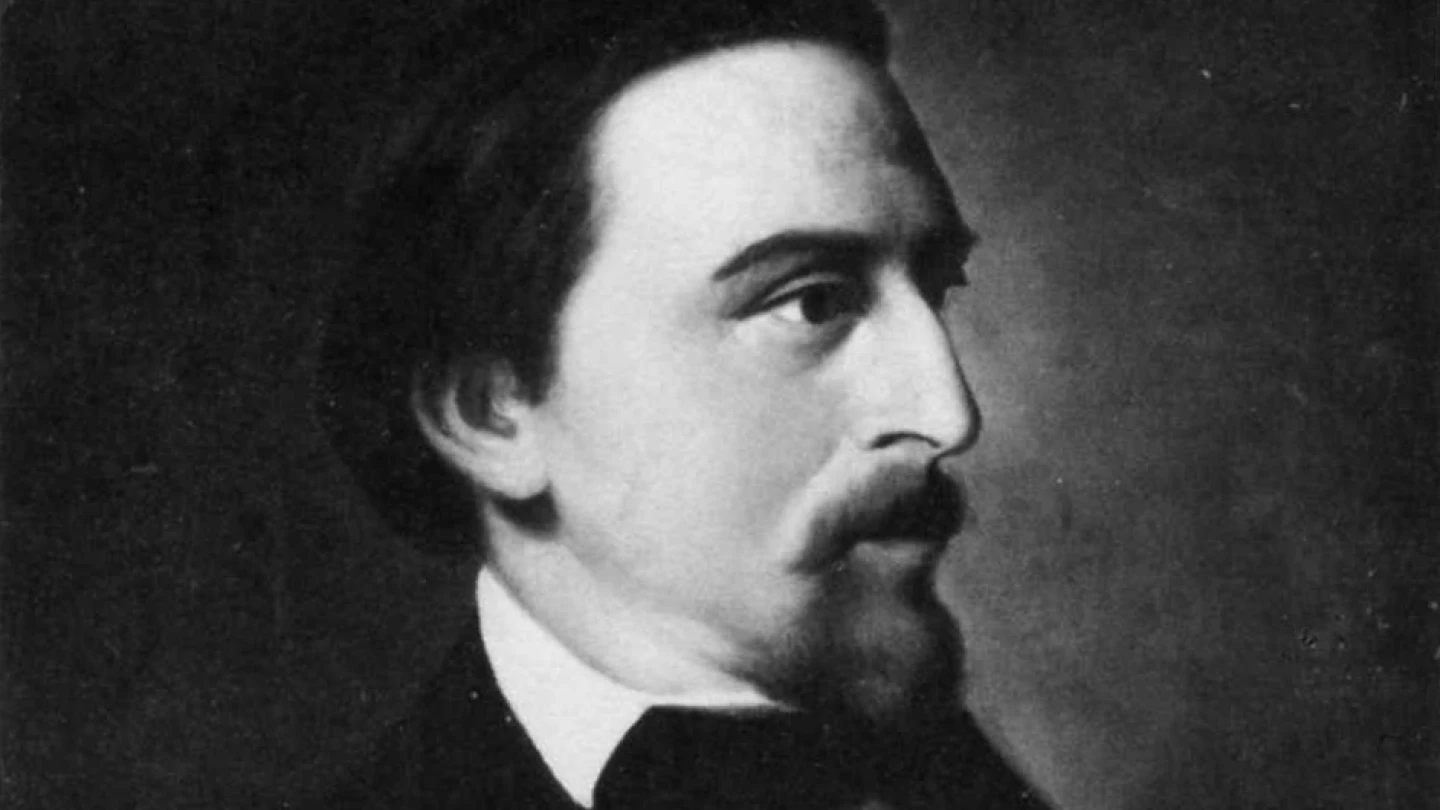
The vocabulary of Jew-hatred continues to evolve.

The article traces the evolution of antisemitic vocabulary, highlighting how new terms are adopted to sanitize Jew-hatred. It begins with Wilhelm Marr, who, in 1879, popularized the term "antisemitism" by attaching it to an organized political movement, presenting hostility towards Jews as a "scientific, almost clinical" diagnosis rather than religious bigotry. Marr's strategic branding, aimed at distinguishing his secular anti-Jewish agitation from that of Adolf Stoecker, inadvertently laundered the hatred, making it sound respectable. Despite Marr later disavowing his movement, the word "antisemitism" continued to evolve.
Once the public adopts the terminology, a word carries on, doing the work by itself.
After the Holocaust, explicit antisemitism became socially unacceptable, leading to the adoption of new terms like "anti-Zionism." The Soviet Union's post-1967 campaign, which recast Zionism as racism, colonialism, and fascism, culminated in the 1975 UN resolution "Zionism is racism." While not every critic of Israeli policy is a bigot, the article argues that when "anti-Zionism" selectively demands that only Israel forfeit its right to self-determination, it mirrors Marr's logic of collective blame and double standards, abstracting old hatreds into sophisticated new arguments. This phenomenon is termed the "Marr Effect," where language launders itself without conscious emulation of Marr.
© All rights to the original article belong to the source. Din Online shows a headline, an excerpt and a link only. The objectivity rating is computed automatically and is an estimate only.
Discussion
No comments yet — be the first to comment.