The McCarran-Walter Act and the questions it raised
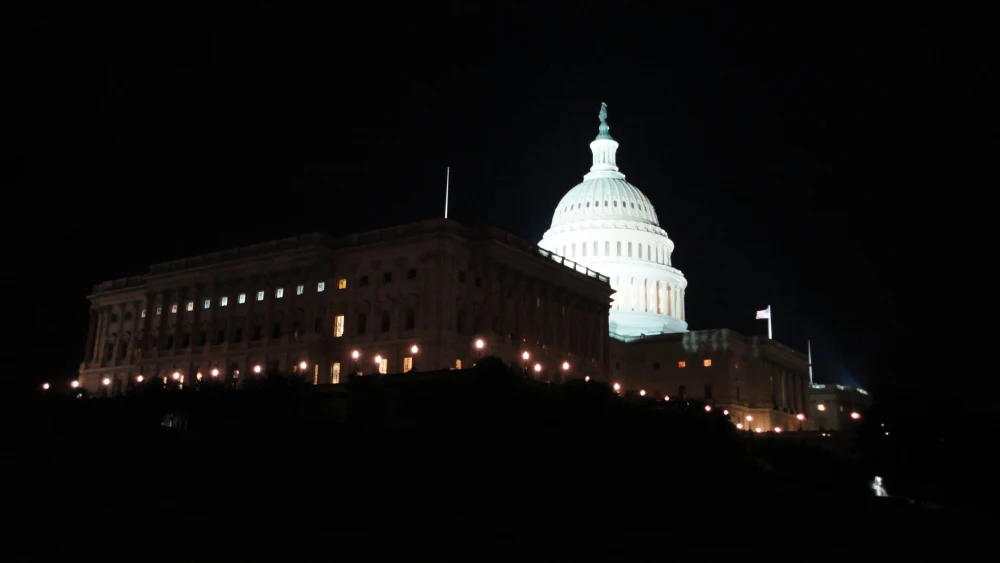
Most Americans have probably never heard of the McCarran-Walter Act.Congress passed it in 1952, while the United States confronted Soviet expansion, espionage and subversion. The law raised a question that remains relevant today: How does an open society protect itself from those who may seek to use its freedoms against it?The formally named Immigration and Nationality Act of 1952 made several changes to American immigration law, including restrictions based on adherence to communism, espionage or subversive activities. Later Congresses continued to reshape immigration law, but an important provision of McCarran-Walter survived.Section 212 of the Immigration and Nationality Act, codified as 8 U.S.C. §1182, still permits the United States to deny admission to certain noncitizens on national-security grounds. It touches on espionage, sabotage, “any other unlawful activity” and activity whose purpose includes opposition to, control of or overthrow of the United States government by “force, violence or other unlawful means.” Separate…

The 1952 McCarran-Walter Act, formally the Immigration and Nationality Act, introduced restrictions on immigration based on national security concerns, including adherence to communism or subversive activities. While subsequent legislation reshaped immigration law, Section 212 (8 U.S.C. §1182) continues to permit the denial of admission to noncitizens on national security grounds, encompassing espionage, sabotage, and activities aimed at overthrowing the U.S. government by unlawful means. The article highlights the enduring question of how an open society protects itself from those who might exploit its freedoms, distinguishing between lawful advocacy and unlawful conduct. It uses examples like the Islamic Tribunal in Texas, investigating allegations of presenting sharia-based rulings as judicial authority, and the Holy Land Foundation prosecution for providing material support to Hamas, to illustrate the line between protected belief and prohibited action. The law permits radical ideas and advocacy, but intervenes when persuasion becomes coercion, or when objectives are pursued through violence or unlawful means. The article concludes by emphasizing the ongoing challenge of balancing free speech and religious liberty with the need to protect the constitutional order against unlawful conduct, regardless of the ideology's origin.
© All rights to the original article belong to the source. Din Online shows a headline, an excerpt and a link only. The objectivity rating is computed automatically and is an estimate only.
Discussion
No comments yet — be the first to comment.