The Mecca pact is just a show
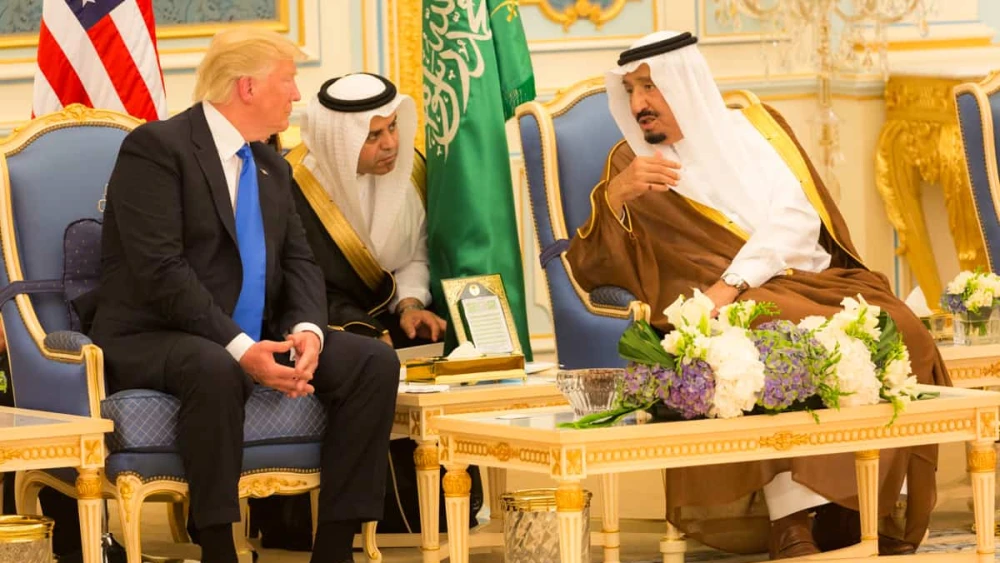
Saudi Arabia signed the Mecca Joint Defense Agreement with Pakistan and Turkey on Aug. 7. The first ministerial-level defense pact between the three parties, a Saudi official called it “comprehensive, all military means”; Pakistan’s foreign minister said it was “purely defensive” and open to any state willing to join; while his Turkish counterpart said the pact is not aimed at any other country.In April, when a “Sunni NATO” label first got attached to the Riyadh-Ankara-Islamabad grouping, I argued that the framing of the alignment as the formation of a regional axis was mistaken. The Iran war had already proven it.Indeed, Pakistan’s response when Iran struck Saudi Arabia showed the limits of the pact. Islamabad deployed around 16 jets, nearly 8,000 troops and an air-defense battery to Saudi soil in April under a 2025 bilateral agreement, but these were confined to an advisory role.Moreover, all three parties are still operating under…
 48-Inch Flexible LED Strip Diffuser: A Look for DIY Ambient Lighting
AliExpress See the review →
The Mecca Joint Defense Agreement, signed on August 7 by Saudi Arabia, Pakistan, and Turkey, is described as a strategic maneuver rather than a robust regional axis. Despite being called "comprehensive, all military means" by a Saudi official, the pact's limitations were evident when Houthi attacks on Saudi positions shortly after its signing did not trigger a direct military response from Turkey or Pakistan. The agreement serves the independent interests of each signatory: Saudi Arabia seeks leverage after a stalled nuclear deal with the U.S., Pakistan aims for global influence and containment of India, and Turkey aspires to become the dominant Muslim power, posing a potential threat to Israel. The article highlights that the pact's connections are "artificial and fragile," creating inherent conflicts, particularly between Turkey and Saudi Arabia over regional leadership. In contrast, Israel's partnerships with the U.S., India, and the UAE are presented as "natural and has proven resilient in challenging times." The author suggests that Israel should monitor the strengthening military ties between Turkey and Pakistan and maintain unity on security matters to keep the possibility of normalization with Saudi Arabia alive, especially given the ongoing Gaza conflict and upcoming elections.
© All rights to the original article belong to the source. Din Online shows a headline, an excerpt and a link only. The objectivity rating is computed automatically and is an estimate only.
Discussion
No comments yet — be the first to comment.