‘Too little, too late’: Lebanon amnesty leaves former SLA members behind
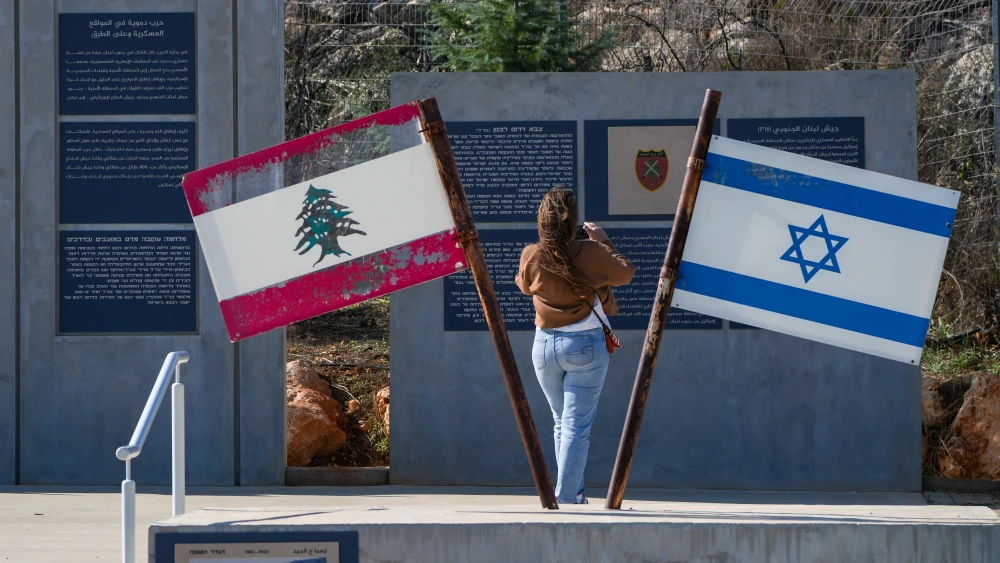
Lebanon’s parliament passed a long-awaited general amnesty law on Wednesday, but the legislation does not resolve the legal status of former members of the Israel-aligned Southern Lebanese Army who fled to Israel after the militia collapsed in 2000.
The law provides amnesty for family members of former SLA fighters but does not extend the same provision to the former fighters themselves, according to the legislation. An estimated 3,500 former SLA members and family members remain in Israel today.

For families who have spent more than two decades in Israel, the legislation offers little prospect of returning to Lebanon together.
“It is too little, too late,” Joe Issa, whose father served in the SLA, told The Press Service of Israel. “After 26 years, we have built our entire lives in Israel.”
Jonathan Elkhoury, whose father also served in the SLA, said he was troubled by the inclusion of former SLA members in an amnesty framework that he believes wrongly implies they committed crimes requiring forgiveness.
“We are not criminals who need an amnesty,” said Elkhoury, who has lived in Israel for 26 years and works in public diplomacy on Israel-Lebanon relations. “We should not be included in the law with ISIS and drug dealers.”
The amnesty law, the first such legislation passed in Lebanon since 1991, is expected to benefit thousands of prisoners and people wanted by Lebanese authorities. It aims to reduce severe prison overcrowding, including among detainees who have spent years awaiting trial.
The legislation covers a range of offenses, including some cases involving attacks on the Lebanese army, participation in armed clashes, drug offenses and car theft. Lebanese Christian leaders had pushed for provisions addressing Lebanese who fled to Israel after the SLA collapsed when Israel withdrew from Southern Lebanon in 2000.
But because former SLA fighters themselves are not covered, Elkhoury said the law could divide families by allowing some relatives to return while former fighters remain subject to prosecution.
“The law does not include SLA fighters,” he said. “Our argument is that we do not need an amnesty. We are not criminals who would need an amnesty.”
“My home is first and foremost Israel. I will not come to Lebanon without my father being able to visit Lebanon,” he said.
Issa said the law would not change his family’s decision to remain in Israel, even if former SLA members were eventually included. He works in cybersecurity for the Israel Electric Corporation, while his wife is a hotel executive. Their two children were born and raised in Israel.
“I consider myself Israeli first, with Lebanese roots,” Issa said. “Israel is where I grew up, built my family, developed my career and created my future. We would essentially be giving up the life we have spent decades building. I simply don’t see a realistic reason for us to do that.”
The SLA was a predominantly Christian Lebanese militia that operated in Southern Lebanon with Israeli support. When Israel withdrew from Lebanon in May 2000, thousands of SLA members and their families fled to Israel, fearing reprisals, particularly from Hezbollah.
Khuri said the Lebanese state had a responsibility toward the SLA dating back to the Lebanese Civil War of 1975-90. He argued that the militia’s cooperation with Israel developed as Lebanese state forces withdrew from much of southern Lebanon.
Based on that history, Elkhoury said the Lebanese government should pass legislation specifically addressing former SLA members and acknowledge the state’s responsibility for their situation.
“What we are demanding today is legislation specifically for SLA members that includes an apology from the Lebanese state for what they did to us in history,” Khuri said.
Elkhoury said he could envision visiting Lebanon one day, but not living there. Issa said Israel had become inseparable from his identity, particularly after he served more than 500 days in IDF military reserve duty during the current war.
“When I say Israel is my home, it is not just about where I live,” Issa said. “It is the country where I built my life, where my children were born, and a country I have personally fought to protect.”
Elkhoury said a broader political settlement would ultimately be necessary for any return.
“The hope is that there will be peace between Israel and Lebanon,” he said. “This law doesn’t help without peace because it’s impossible to cross the border.”



Get the latest updates in our WhatsApp group.




Lebanon's parliament recently passed a general amnesty law, the first since 1991, aimed at reducing prison overcrowding and benefiting thousands of prisoners and wanted individuals. However, the legislation does not extend amnesty to former members of the Israel-aligned Southern Lebanese Army (SLA) who fled to Israel in 2000, only covering their family members. Approximately 3,500 former SLA members and their families reside in Israel, and many, like Joe Issa, feel it is “too little, too late” as they have built lives in Israel over two decades. Jonathan Elkhoury, another individual whose father served in the SLA, expressed concern about being included in an amnesty framework, stating, “We are not criminals who need an amnesty.” Both Issa and Elkhoury emphasized their strong Israeli identities and stated they would not return to Lebanon without their fathers being able to visit or without a broader peace settlement between Israel and Lebanon.
© All rights to the original article belong to the source. Din Online shows a headline, an excerpt and a link only. The objectivity rating is computed automatically and is an estimate only.
Discussion
No comments yet — be the first to comment.