Trump says talks with Iran will start Monday on deal to reopen Hormuz
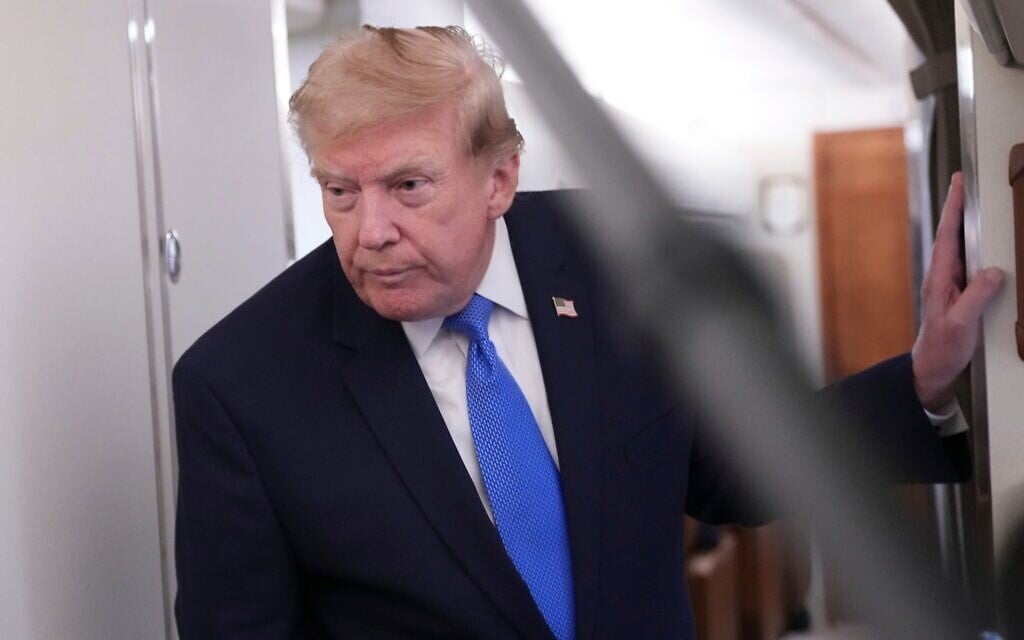
US President Donald Trump said Sunday night that negotiations with Iran would begin on Monday to finalize a deal that reopens the Strait of Hormuz after he again called off a major attack on the Islamic Republic over the weekend.
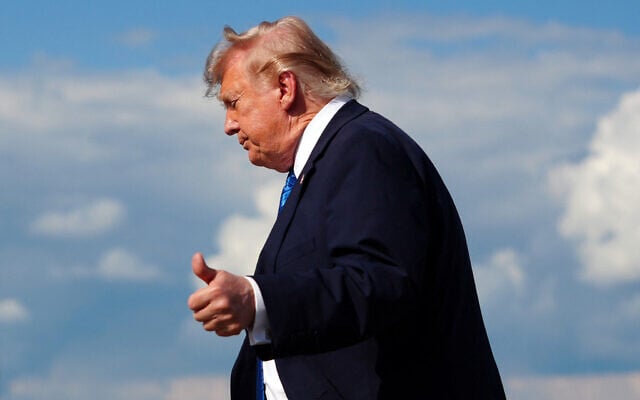
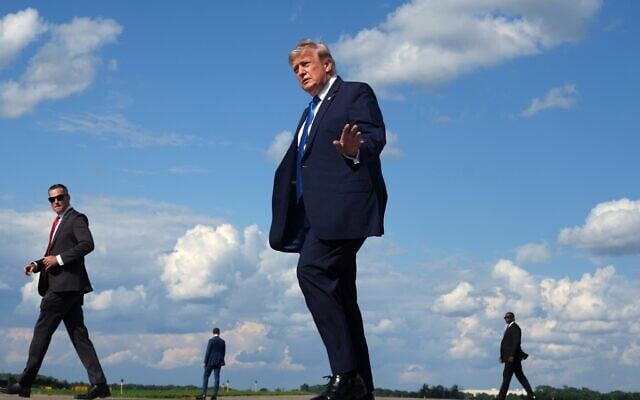
“We’re talking to them in the form of a negotiation. It begins tomorrow afternoon, and we’ll see if it’s [good]. I’d love to do that. We’d save a lot of lives, save a lot of unnecessary power,” Trump told reporters aboard Air Force One.
When he announced the latest walk-back of a threat to conduct a massive bombing campaign against Iran on Saturday, Trump claimed a deal with Iran was imminent to reopen Hormuz and “end” its nuclear threat. Now, he declined to give a timeline for when such a deal would be reached, and said negotiations would only start tomorrow, though mediators have been discussing such a deal for weeks.
Trump didn’t specify on Saturday which countries, besides Iran, had asked him not to launch the major bombing campaign, but he now identified them as Saudi Arabia, the United Arab Emirates and Qatar. That contradicts reporting from the Wall Street Journal, which said the UAE actually wanted Trump to escalate against Iran.
“We were all set to go at this time right now, and it would have been a massive attack… but [then] the allies asked to call it off… The reason they ask is they think there’s a deal. There’s a deal on Hormuz, and then there will be a deal on the denuclearization of Iran,” Trump said.
The president had said on Saturday that the deal on the table would address both Hormuz and Iran’s nuclear program. His latest comments suggested that the nuclear file won’t be addressed until a subsequent agreement, and that the first deal would largely restore the memorandum of understanding that was inked in June. That MOU gave the sides 60 days to reach a deal on Iran’s nuclear program, but there are now less than 30 days left in that window.
Trump said Sunday that a plan had been in place for US forces to carry out “the biggest attack since World War II.” But he decided to scrap the plan and give diplomacy more time to play out after hearing from Gulf leaders, as well as at the request of unnamed Iranian officials.
“I said to [Saudi Crown Prince Mohammed bin Salman], ‘What would you rather do? Would you rather us do this or not?’” Trump told reporters on Air Force One as he flew back to Washington after spending the weekend at his golf club in Bedminster, New Jersey. “They said we would much prefer a deal as opposed to an attack, because you don’t know where these attacks lead.”
Trump and the crown prince spoke on Saturday before the US president announced in a social media post that Mideast allies had reached the “perimeters” of a deal.
It was another turnabout for Trump, who a day earlier said he was “losing faith” in negotiations with Iran and offered the ominous warning that the US military “will be hitting them very hard.”
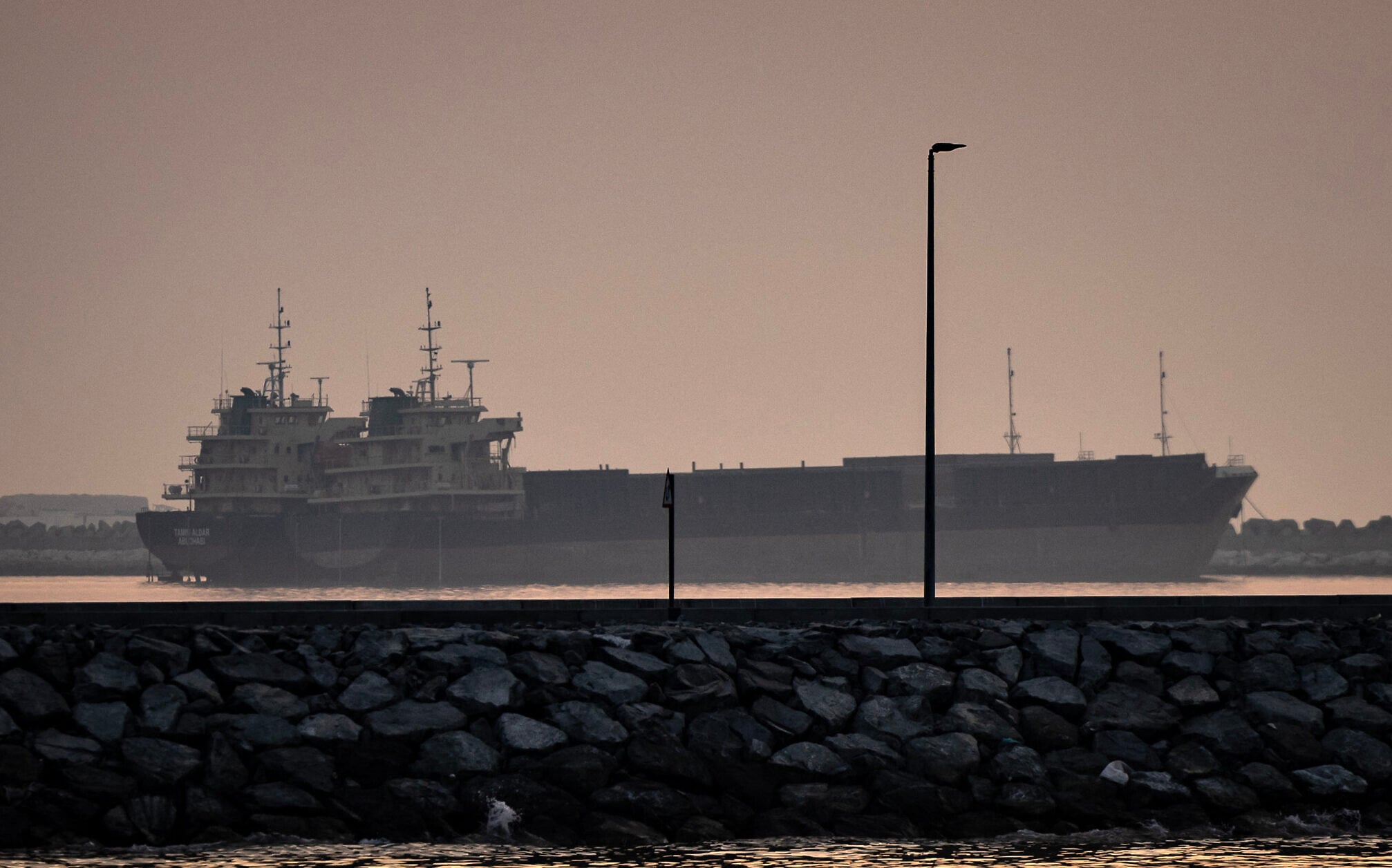
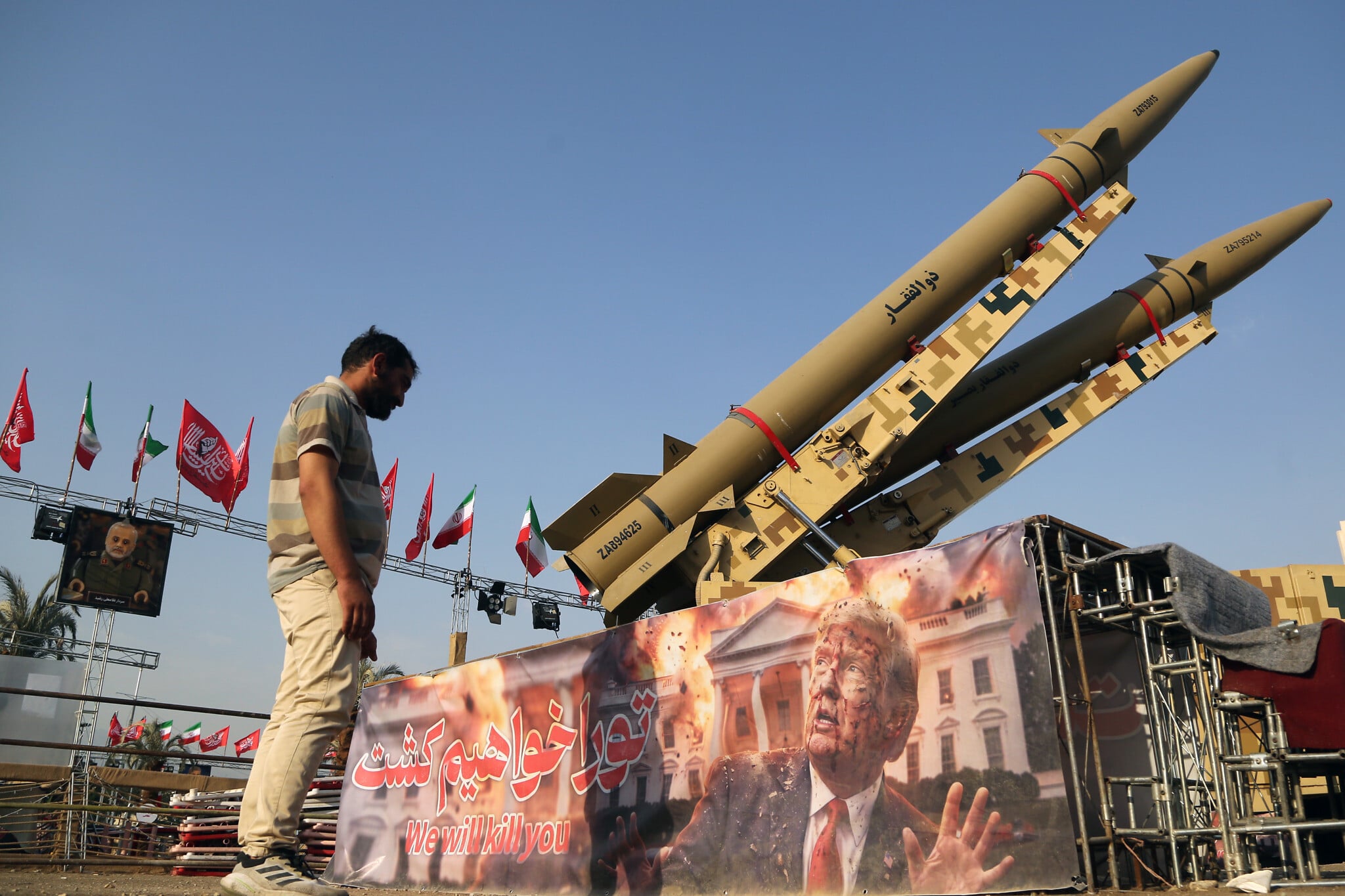
Iran has repeatedly attacked vessels attempting to transit through the Strait of Hormuz without its authorization as part of its conflict with the US.
And Iran’s Foreign Ministry spokesperson Esmail Baghaei said on Sunday that the Strait of Hormuz “will in no way return to the status it was before February 28,” the day the war started.
On a call with Iranian state TV, he added that Iran is discussing shipping through the strait with Oman, on the other side of Hormuz, but that there’s no current talk about reopening the crucial waterway.
Trump has announced halts to strikes on Iran on several occasions since the United States and Israel attacked Iran on Feb. 28, only for things to unravel and fighting to resume again.
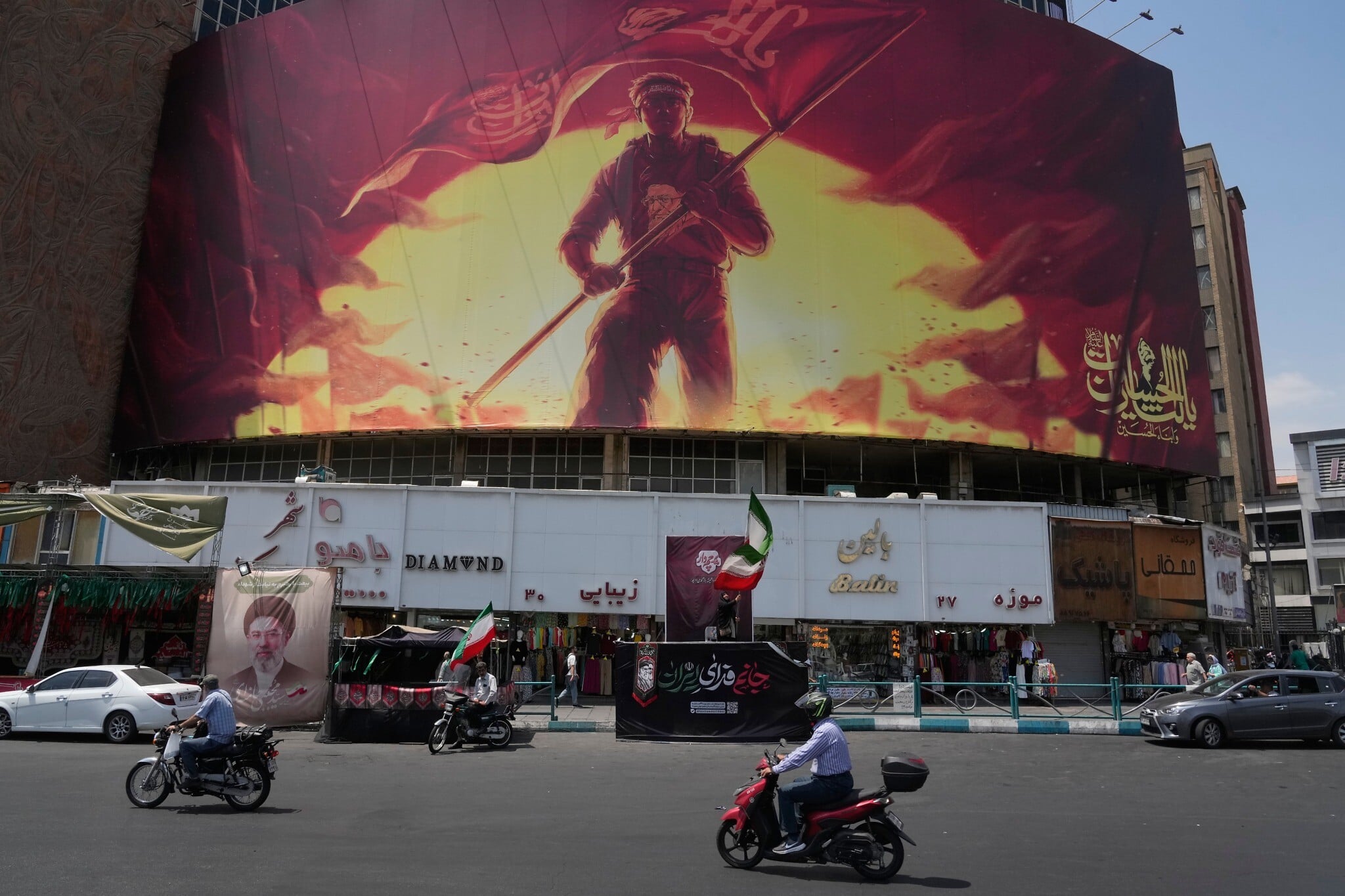
Iran’s defense minister said on X that the country was “neither surprised nor passive” following Trump’s announcement and said the Islamic Republic remains alert in the face of concrete threats from the US.
While Iran’s leaders appear united in a war strategy signaling strength and endurance, a struggle for control seems to be brewing within the theocracy’s leadership between those who oppose all negotiations with the US and others who count on military pressure to win at the negotiating table.
Trump on Sunday said he expected negotiations to resume “tomorrow afternoon” but did not detail who would be involved in such talks.
A regional official said the proposal announced by Trump over the weekend calls for the US and Iran to return to negotiations and continue working out many of the issues that have stymied prior progress on the deal.
The official, who is involved in the mediation efforts, said the proposal calls for reopening of the Strait of Hormuz and halting attacks across the region, including by Iranian-backed militias in Iraq, on Arab Gulf countries and Jordan.
The US, in exchange, will end its naval blockade on Iran and allow Tehran to export its oil as stated in the tentative ceasefire deal, he said.
No deal has been reached yet but mediation efforts are underway, said the official, who spoke on condition of anonymity because he wasn’t authorized to talk to the media.
The US-Iran memorandum obligated Iran to fully open the strait “for 60 days only,” and did not impose restrictions after that.
It collapsed amid competing claims over Hormuz, with Trump insisting the strait would be open, while Tehran believed the deal allowed it to dictate the route taken by ships through the key waterway.
Bin Salman, Saudi Arabia’s de facto leader, raised concerns about the US potentially escalating the conflict when he spoke with Trump by phone on Saturday.
The call was “candid and constructive,” according to a person briefed on the call who was not authorized to comment publicly and requested anonymity.
The crown prince conveyed that an escalation in fighting could have a severe impact on the global economy if Tehran responded to a new US bombardment by targeting some of the United States’ Gulf allies.
The call happened before Trump’s social media announcement, the person said. The crown prince sought clarity from Trump on what potential new action he was weighing to take against Iran.
Saudi officials, the person added, have underscored in their engagements with the Trump administration that the kingdom — as well as fellow Persian Gulf energy titans the United Arab Emirates and Qatar — are in a good position to defend against further potential Iranian attacks, but that Kuwait could be more vulnerable to attacks by Iranian-backed militias in Iraq.
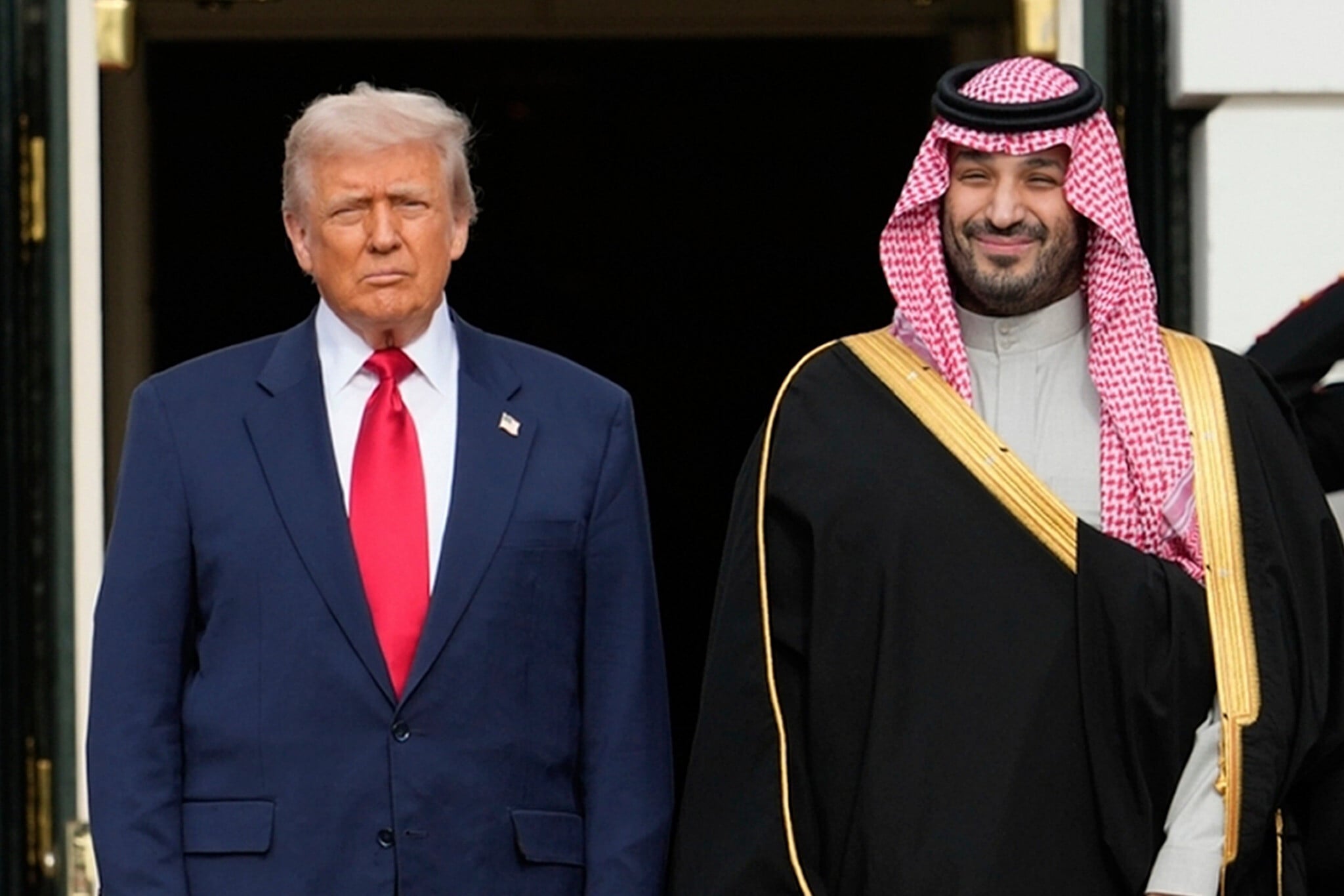
Trump suggested that his conversation with the Saudi crown prince weighed heavily in his decision to halt his plans to carry out strikes on Iran.
“It would have been disastrous for them. And they didn’t want us to do it,” Trump said. “And frankly, Saudi Arabia didn’t want it either. They thought that a deal is imminent.”
According to Israel’s Channel 12, Israel was to be part of the attack, which was called off about 24 hours before it was set to begin, and only learned that it would not be carried out after Trump published a message to that effect in a social media post.
Planning for the attack began on Wednesday, a day after Prime Minister Benjamin Netanyahu met with Trump at the White House, according to the report.
The US Central Command prepared an attack plan on Iranian energy infrastructure. “Israel was supposed to be part of the plan,” a US official told Channel 12.
Israel told the US that if the attack did not significantly damage Iranian economic and regime targets, there would be no point in carrying it out, the report said.

The war with Iran has been draining for all of us in Israel. But when I heard about a high casualty incident – ballistic missile impacts in Arad and Dimona that left nearly 200 people wounded – I drank a cup of coffee, packed a bag, and headed south.
There, I spoke with Shilgit, the head of an after-school program for underprivileged youth. Standing outside her destroyed center, Shilgit said it was a miracle that no children were hurt and spoke about the community coming together in the hours since.
As a Times of Israel reporter, I’m committed to telling stories of resilience like Shilgit’s. But my colleagues and I can't do this alone. If you value work like this, please consider joining our reader support group, The Times of Israel Community. Your financial support is essential to keep real human reporting like this going.
— Stav Levaton, military reporter

We’re really pleased that you’ve read X Times of Israel articles in the past month.
That’s why we started the Times of Israel – to provide discerning readers like you with must-read coverage of Israel and the Jewish world.
So now we have a request. Unlike other news outlets, we haven’t put up a paywall. But as the journalism we do is costly, we invite readers for whom The Times of Israel has become important to help support our work by joining The Times of Israel Community.
For as little as $6 a month you can help support our quality journalism while enjoying The Times of Israel AD-FREE, as well as accessing exclusive content available only to Times of Israel Community members.
Thank you, David Horovitz, Founding Editor of The Times of Israel




US President Donald Trump announced Sunday that negotiations with Iran would commence on Monday to finalize a deal for reopening the Strait of Hormuz. This follows his decision to call off a major attack on Iran over the weekend. Trump stated that Gulf allies, including Saudi Arabia, the UAE, and Qatar, requested the halt, believing a deal was imminent. He quoted Saudi Crown Prince Mohammed bin Salman as saying, "We would much prefer a deal as opposed to an attack, because you don’t know where these attacks lead." The proposed deal aims to reopen the Strait of Hormuz and halt regional attacks, with the US ending its naval blockade and allowing Iranian oil exports. Iran's Foreign Ministry spokesperson, Esmail Baghaei, indicated that the Strait of Hormuz "will in no way return to the status it was before February 28."
© All rights to the original article belong to the source. Din Online shows a headline, an excerpt and a link only. The objectivity rating is computed automatically and is an estimate only.
Discussion
No comments yet — be the first to comment.