Trump’s belated normalization condition for Saudi nuke deal doesn’t erase all Israeli fears
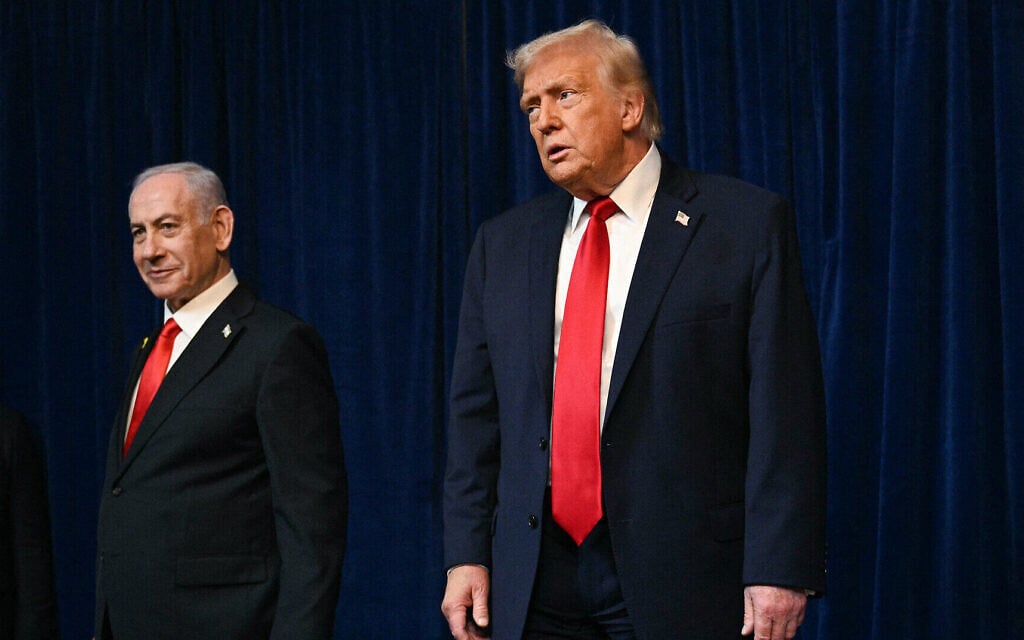
US president insists deal already signed depends on Riyadh joining Abraham Accords — a difficult demand or kingdom to swallow. Either way, he's making moves without asking Israel

US President Donald Trump announced that a civilian nuclear deal with Saudi Arabia would be contingent on the kingdom normalizing relations with Israel, easing some Israeli concerns. Despite this, the deal still raises proliferation fears and indicates major US decisions are being made without Israeli input. Saudi Arabia's motive for nuclear power is partly economic, aiming to reduce carbon emissions and free up oil for export, though countering Iran was an initial driver. Israel could accept a strictly civilian program without uranium enrichment on Saudi soil, but the deal's terms remain unclear, with reports suggesting US companies might build an enrichment facility there. Experts like Gil Murciano warn that such a facility could enable Saudi Arabia to become a "threshold nation" for nuclear weapons. While Saudi Arabia is an NPT signatory, the treaty doesn't prohibit enrichment. Trump's statement on Truth Social, however, indicated "no enrichment of material," which would alleviate significant Israeli worries if coupled with extensive international inspections. Normalization with Israel remains a key, though uncertain, condition, as Saudi Arabia has consistently demanded an irreversible path to Palestinian statehood, a non-starter for the current Israeli government. Some analysts suggest Saudi Arabia might use the nuclear deal to build momentum for normalization, driven by a need for stronger defense against Iranian and Houthi attacks, which an alliance with Israel could provide. However, public sympathy for Palestinians in Saudi Arabia makes normalization challenging without progress on a Palestinian state. The deal also highlights that US policy in the Middle East does not always prioritize Israeli input.
© All rights to the original article belong to the source. Din Online shows a headline, an excerpt and a link only. The objectivity rating is computed automatically and is an estimate only.
Discussion
No comments yet — be the first to comment.