US federal funding rules discriminate against faith-based charities, Justice Department says
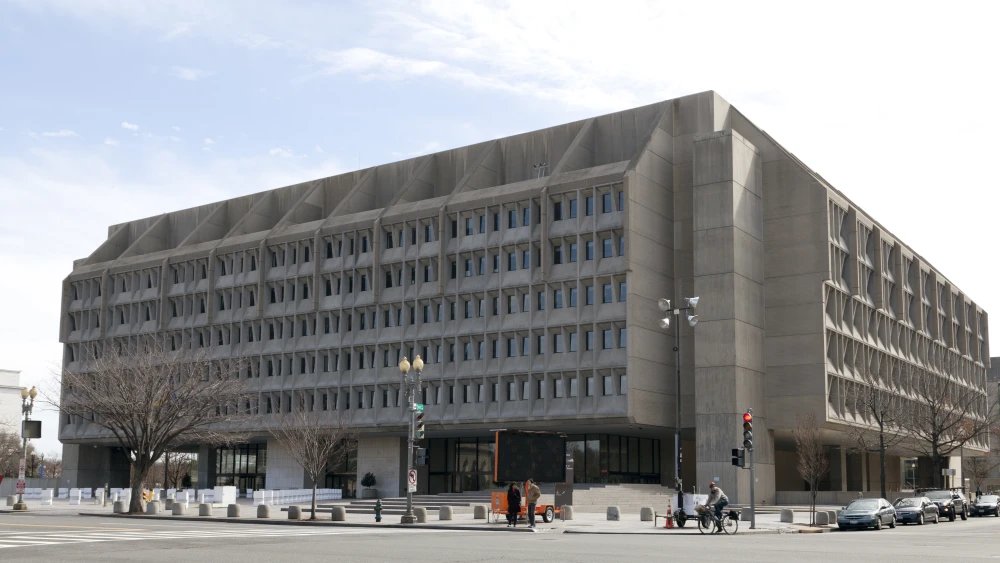
Federal restrictions that prevent faith-based organizations from using government funds for religious activities violate the First Amendment, according to a legal opinion that the U.S. Justice Department’s legal counsel office released on Aug. 25.“Faith-based organizations across the United States deliver vital charitable services—feeding the hungry, supporting families and helping individuals overcome addiction,” according to the 39-page opinion. “The federal government helps fund this work.”The restrictions apply to federally supported welfare, substance-abuse and child-care programs administered by the U.S. Department of Health and Human Services and prohibit funds from being spent on worship, religious instruction or proselytizing.“A secular food bank may post advertisements on its walls or announce messages before meals on countless topics, while a church soup kitchen cannot hold a communal prayer before serving a meal,” the opinion states.Such requirements have “proven challenging to small faith-based organizations and may deter religious institutions from participating altogether in federally funded programs,”…

The U.S. Justice Department's legal counsel office issued an opinion on August 25 stating that federal funding restrictions on faith-based charities violate the First Amendment. These restrictions, applied to programs like welfare and child-care administered by the Department of Health and Human Services, prohibit government funds from being used for religious activities such as worship or proselytizing. The 39-page opinion argues that such rules "may deter religious institutions from participating altogether in federally funded programs" by creating an unequal playing field, for example, by preventing a church soup kitchen from holding a communal prayer while a secular food bank can display various messages. The Justice Department concluded that these "statutory religious restrictions are therefore unconstitutional under the First Amendment." If the Department of Health and Human Services decides not to enforce these provisions, it must inform Congress within 30 days.
© All rights to the original article belong to the source. Din Online shows a headline, an excerpt and a link only. The objectivity rating is computed automatically and is an estimate only.
Discussion
No comments yet — be the first to comment.