US pulls last aircraft carrier in Pacific as Trump focuses on Iran, Western Hemisphere
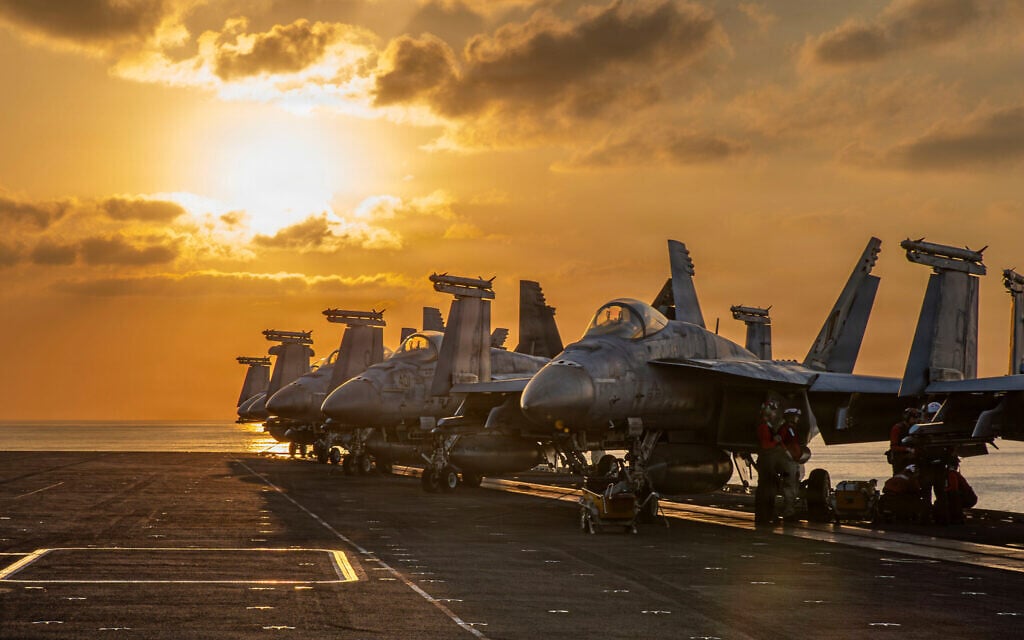
WASHINGTON (AP) — US President Donald Trump’s war against Iran is stretching the limits of US aircraft carriers and leaving the western Pacific without one of the key American warships as China shows more signs of aggression.The USS George Washington is departing the Pacific and is expected to replace the USS Abraham Lincoln in the Middle East amid growing concerns about mental health and supply issues aboard the long-deployed carrier. The Lincoln has had its time at sea extended from its original May return date to support operations against Iran.The lack of a US carrier in the Pacific may be short-lived if the Navy deploys another in the next couple of months. But it shows how the open-ended operations with Iran are running some American sailors ragged, analysts say, while the Trump administration further retreats from the Asia-Pacific region and focuses on the Western Hemisphere.“The administration says that the Pacific…

The US is withdrawing its last aircraft carrier, the USS George Washington, from the Pacific to replace the USS Abraham Lincoln in the Middle East, which has been extended due to operations against Iran. This leaves the western Pacific without a US carrier, a situation analysts attribute to the strain of prolonged operations against Iran and a shift in US focus towards the Western Hemisphere. This move has unsettled American allies in the Pacific, with experts like Greg Poling noting, "The administration says that the Pacific is supposed to be the most important behind the Western Hemisphere." China, which views the US military presence as a threat, may capitalize on this absence to assert its influence, as Bryan Clark of the Hudson Institute states, "They're using this as part of the narrative to demonstrate to the Philippines, to Japan, to Indonesia and others that the US is not the big dog in the western Pacific anymore." The heavy reliance on aircraft carriers for extended deployments has led to concerns about crew well-being and potential maintenance backlogs, raising questions about the sustainability of current naval strategy and the future role of carriers in modern warfare.
© All rights to the original article belong to the source. Din Online shows a headline, an excerpt and a link only. The objectivity rating is computed automatically and is an estimate only.
Discussion
No comments yet — be the first to comment.