When Every Vote Counts: The Global Echoes of Tiny Margins
The Anatomy of a Cliffhanger
Elections, the bedrock of democracy, are rarely uneventful. But this past week, as 'בחירות' (elections) became one of the most-searched terms on Google in Israel with over 2,000 queries, the global spotlight on electoral drama intensified. We've witnessed a series of contests where the fate of nations hangs by the slenderest of threads, where a single seat, or even a fraction of a percentage point, could redraw the political map. From Sweden to Brazil, the message is clear: every vote truly counts.
Sweden's Photo Finish: A Microcosm of Modern Politics
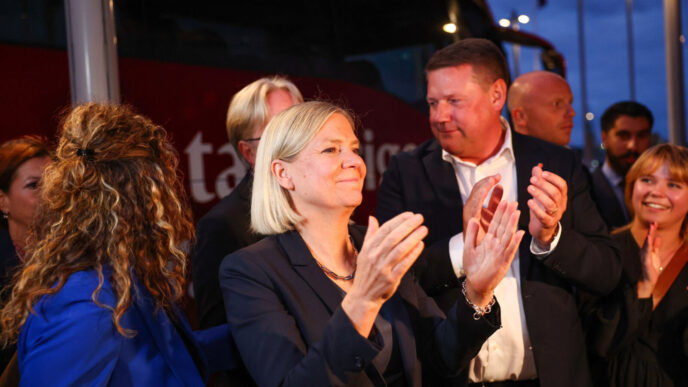
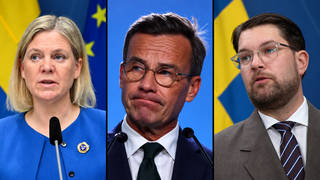
The recent Swedish elections serve as a compelling illustration. Initial forecasts and exit polls painted a picture of extreme tightness, with the center-left bloc, led by former Prime Minister Magdalena Andersson, projected to secure a majority of 176 out of 349 parliamentary seats, barely clearing the 175-seat threshold. This was pitted against the incumbent Prime Minister Ulf Kristersson's right-wing bloc, predicted to gain 173 seats. Later updates further emphasized the razor-thin margin, indicating a difference of merely 0.1% in projected votes and a one-seat advantage (175 vs. 174) for the center-left. This tiny gap held profound implications, particularly concerning the far-right 'Sweden Democrats' party, who hoped to enter government for the first time.

"The forecast by the Swedish Election Authority predicts the center-left bloc, led by former Prime Minister Magdalena Andersson, will win 176 out of 349 parliamentary seats, compared to 173 seats for the right-wing bloc led by incumbent Prime Minister Ulf Kristersson. 175 seats are required to achieve a majority in parliament." – ערוץ 7
What's particularly fascinating about the Swedish outcome is the gender divide in voting patterns: "58% of women voted for the opposition bloc, compared to 54% of men who voted for the right-wing bloc," according to a Valo poll. This demographic split hints at deeper societal currents and differing priorities among the electorate, a trend worth examining in other democracies.
Campaign Tactics and the Risk Aversion Trap
The tightness of these races often leads campaigns to adopt cautious, even defensive, strategies. As one Maariv headline noted, "A campaign that usually takes no risks also doesn't break any ceiling." This observation highlights a critical dilemma for political strategists: play it safe and potentially lose out on momentum, or take bold risks that could either backfire spectacularly or lead to a decisive victory. In an environment where polls are so close, the temptation to avoid alienating any potential voter segment can lead to bland, uninspiring campaigns that fail to energize the base. The second-order effect of this risk aversion is a political discourse that often feels stagnant, further contributing to voter apathy or, paradoxically, to the hyper-polarization of those who remain engaged.
Israel's Own Contentious Canvas: The Ben Gvir Challenge
While the international stage provided its own drama, Israel's political landscape remains perpetually charged. Ahead of its own elections, the contentious issue of candidate eligibility has once again reared its head. A petition filed by the 'Zulat for Equality and Human Rights' organization and several public figures seeks to disqualify Minister Itamar Ben Gvir and his entire Otzma Yehudit party from running in the 26th Knesset elections. The petitioners allege that the party's objectives and actions include "denial of Israel's existence as a Jewish and democratic state and incitement to racism."
"A petition demands the disqualification of Ben Gvir and the Otzma Yehudit list from the elections." – ערוץ 7
This legal challenge underscores a fundamental tension in many democracies: the balance between freedom of speech and political participation, and the need to protect democratic values from those perceived to undermine them. The historical parallel here is striking; similar challenges have been mounted against parties and individuals deemed beyond the pale by various segments of the political spectrum, reflecting an ongoing struggle to define the boundaries of acceptable political discourse within a democratic framework.

Global Parallels: Brazil and Beyond
The phenomenon of tight races isn't confined to Sweden or Israel. In Brazil, just three weeks before their elections, Flavio Bolsonaro was reportedly closing the gap in polls against President de Silva, following revelations linking a defrauding banker to Judge de Moraes. This demonstrates how external factors, unforeseen scandals, or new information can dramatically shift public opinion, even in the final stretch. It highlights the fragility of electoral predictions and the dynamic nature of voter sentiment.
Key Takeaways from the Electoral Tides
- Precision Polling: The incredible closeness of these elections demands unprecedented accuracy from pollsters and election authorities.
- High Stakes: A single seat can alter government composition, impacting policy and even international relations.
- Legal Battles: The judiciary increasingly plays a role in defining the electoral field, particularly in contested democracies.
- Demographic Divides: Gender, age, and other demographic factors are becoming critical lenses through which to understand voting behavior.
- Risk vs. Reward: Campaign strategies are constantly balancing the need for broad appeal with the imperative to energize specific bases.
What to Watch Next
As the dust settles in Sweden and the legal battles continue in Israel, the focus will inevitably shift to coalition negotiations and the actual formation of governments. The post-election maneuvering, especially in parliamentary systems, can be as dramatic and consequential as the election itself. Pay close attention to how parties navigate the narrow margins to form stable alliances, and how judicial rulings on candidate eligibility shape the political landscape in Israel. The incentives for compromise or continued confrontation will be high, with the long-term stability of governments often at stake. We must ask ourselves: In an era of such acute political fragmentation, can any government truly claim a strong mandate when victories are measured in mere fractions?

Coverage Sources & References:
- בחירות בשוודיה: לפי הסקרים גוש המרכז-שמאל צפוי לנצח בפער קטן [דבר]
- "קמפיין שלא לוקח שום סיכון בדרך כלל גם לא פורץ שום תקרה": הטקטיקות שמנהלות מערכת בחירות [מעריב]
- שבדיה: גוש המרכז-שמאל צפוי להשיג רוב דחוק בבחירות [ערוץ 7]
- רגע לפני הבחירות – השאלה שכל מחנה בישראל חייב לשאול | ליאורה מינקה [Google News]
- עתירה דורשת לפסול את בן גביר ורשימת עוצמה יהודית מהבחירות [ערוץ 7]
- שלושה שבועות לבחירות בברזיל – פלאביו בולסונארו סוגר את הפער בסקרים מהנשיא דה סילבה, לאחר חשיפת קשר בין בנקאי מועל לבין השופט דה מוראש [רוטר]
- דרמה בבחירות בשבדיה: מושב אחד עשוי להכריע אם הימין הקיצוני ייכנס לממשלה [Ynet]
- בחירות משוודיה: 58% מהנשים הצביעו לגוש האופוזיציה, לעומת 54% מהגברים שהצביעו לגוש הימין, לפי מדגם ואלו [רוטר]
An original opinion-analysis column by the Din Online desk, based on current coverage from a range of sources. Views expressed are the desk’s own. Some content is produced with automated tools.
Discussion
No comments yet — be the first to comment.