When Israel gives up the initiative, Hezbollah takes it
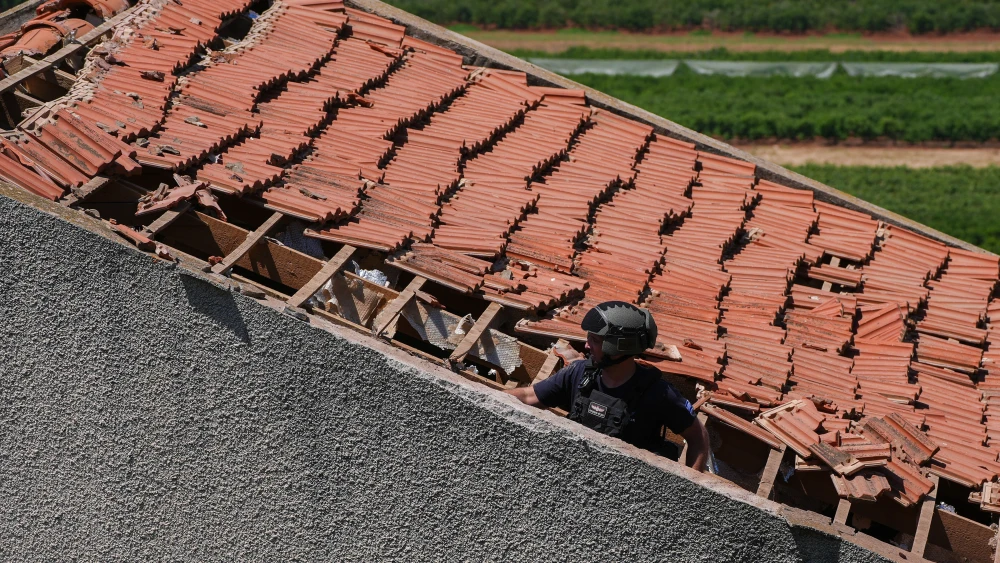
On Aug. 14, a Hezbollah explosive drone struck Israeli forces in the Ali al-Taher Ridge area in Southern Lebanon, seriously wounding three soldiers in the Israel Defense Forces.Israel responded forcefully, striking Hezbollah targets across the area and killing a battalion commander in the organization’s Radwan Force, along with several other operatives.The important question, however, is not whether Israel can respond forcefully; it clearly can. The question is how Hezbollah reached a point where it can still operate against IDF forces from an area whose importance, infrastructure and hostility have long been known to Israel. A forceful response after an attack is not the same as removing the threat before it materializes.The Ali al-Taher Ridge is not just another hill in Southern Lebanon. It forms part of a military and underground network that Hezbollah built over years in the area between the Litani River, the Saluki Valley, Nabatieh and the Israeli…
 48-Inch Flexible LED Strip Diffuser: A Look for DIY Ambient Lighting
AliExpress See the review →
On August 14, a Hezbollah explosive drone seriously wounded three Israeli soldiers in the Ali al-Taher Ridge area of Southern Lebanon, prompting forceful Israeli retaliation against Hezbollah targets. This incident highlights a growing concern that diplomatic restraint is limiting Israel's freedom of action against known threats. The Ali al-Taher Ridge is part of an extensive Hezbollah military and underground network that Israel has previously targeted, yet a significant hostile presence remains.
"When restraint gives the enemy time to preserve infrastructure, prepare the terrain and choose when to attack, it ceases to be a diplomatic instrument and begins to become an operational advantage for the enemy."
The article argues that while diplomatic considerations are legitimate, they risk becoming an operational advantage for Hezbollah if they prevent Israel from neutralizing threats before they materialize. The author suggests that the current Israel-Lebanon framework agreement, while aiming to prevent war, may inadvertently be restraining Israel without disarming Hezbollah, allowing the group to preserve capabilities and regain initiative. The responsibility for Israeli security ultimately rests with the Israeli government, which must ensure that diplomacy supports, rather than hinders, the removal of security threats.
© All rights to the original article belong to the source. Din Online shows a headline, an excerpt and a link only. The objectivity rating is computed automatically and is an estimate only.
Discussion
No comments yet — be the first to comment.