When the Valley Burns: Shifting Sands and Scorched Earth in Israel
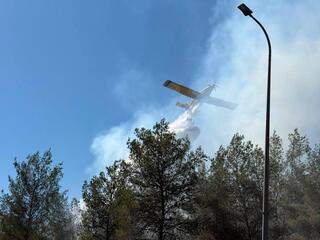
The Flames at Our Doorstep
The image is seared into the Israeli consciousness: plumes of smoke rising against the serene backdrop of our cherished landscapes, the frantic rush of emergency services, and the gut-wrenching sight of families evacuating their homes. This week, it was the Jezreel Valley's turn, with a significant fire near Shimshit dominating Google searches across the country. What began as a blaze in an open area quickly escalated, driven by strong winds, threatening the very fabric of communities.
The scene at Shimshit, where residents from the first line of homes were evacuated and others instructed to shelter in place, is a stark reminder of Israel's vulnerability to wildfires. This isn't just a local incident; it's a recurring nightmare that underscores the broader challenges of climate change, rapid development, and the inherent risks of living in a beautiful, yet combustible, land.

A Familiar and Frightening Pattern
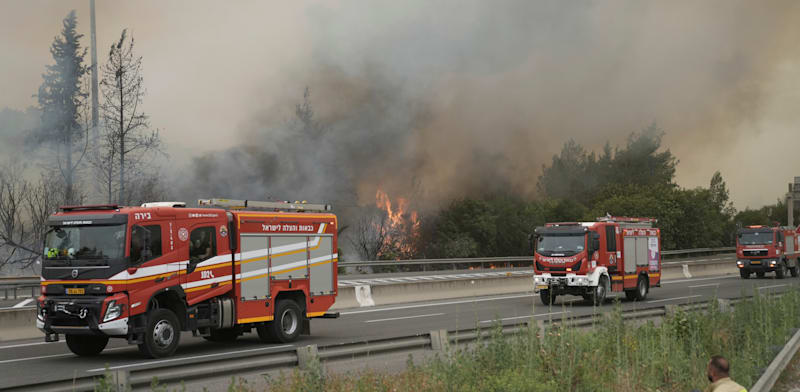
The Jezreel Valley fire, battled by eight firefighting crews on the ground and aerial support, saw police evacuating the first line of homes in Shimshit. The situation was severe enough that residents were asked to shelter in place due to smoke. This immediate threat to life and property is unfortunately a familiar scenario. Just hours away, another incident saw a firefighter injured and a fire truck burned while battling a separate blaze near Havat Gilad, where 13 homes were damaged. These simultaneous events paint a grim picture of a nation under siege from natural forces.
The strong winds, frequently cited as a catalyst, transform a localized fire into a rapidly spreading inferno, making containment a Herculean task. The speed with which these fires can engulf communities, forcing evacuations and closing major arteries like Route 55, underscores the delicate balance between human habitation and the natural environment.
More Than Just a Fire: A Historical Echo
While the immediate focus is on extinguishing the flames and protecting lives, it's crucial to consider the deeper incentives and second-order effects at play. Israel, a land historically shaped by both human endeavor and natural processes, has always grappled with the interface between development and environmental fragility. The push to expand settlements and infrastructure often brings communities closer to wildlands, creating what experts call the Wildland-Urban Interface (WUI). This interface is where the risk of catastrophic fires is highest, as natural vegetation meets residential structures.
Historically, much of Israel's reforestation efforts have focused on planting non-native, fast-growing conifers, which, while greening the landscape, are also highly flammable. This historical parallel to past forestry practices around the world, which prioritized quick cover over ecological resilience, now presents a significant challenge. The incentives for rapid development and the aesthetic preference for certain types of trees have inadvertently increased the risk exposure for many communities. This isn't to blame development, but to understand the complex interplay of factors that make these fires so potent.

"Eight firefighting crews and rescue teams are trying to get the fire under control that broke out in a forest near Shimshit in the Jezreel Valley, while at the same time, police forces evacuated the first line of homes in the settlement."
The repeated incidents, including the mention of 13 damaged homes in Havat Gilad, demand a re-evaluation of land use planning and emergency preparedness. It's a sobering reminder that our decisions today have profound implications for tomorrow's climate and safety.
The Unseen Costs and Lingering Questions
Beyond the immediate destruction, the long-term impact of these fires is considerable. The psychological toll on residents, particularly those who have faced repeated evacuations or lost homes, is immense. The environmental damage, including soil erosion, loss of biodiversity, and degraded air quality, can take years to recover. Economically, the cost of firefighting operations, property damage, and disruption to daily life runs into millions. Furthermore, there's the critical question of Israel's resilience infrastructure: Are our emergency services adequately funded and equipped for the escalating frequency and intensity of these events? The fact that a firefighter was injured and a fire truck burned speaks volumes about the dangerous conditions faced by our heroes.
"13 homes in Havat Gilad were damaged by the fire."
These events also raise questions about community-level preparedness. While sheltering in place or evacuating are standard procedures, are residents sufficiently educated on fire-wise landscaping, home hardening techniques, and personal emergency plans? The collective effort to mitigate risks must extend beyond governmental bodies to individual households.
Key Takeaways from the Blazes:
- Increased Frequency: Wildfires are becoming a more common and intense threat across Israel.
- Climate Connection: Strong winds, often exacerbated by changing weather patterns, are a major accelerant.
- Development Risks: The expansion of communities into wildland areas increases vulnerability.
- Resource Strain: Emergency services face significant challenges and risks in containing these widespread blazes.
- Long-term Impact: The ecological, psychological, and economic costs extend far beyond the initial flames.
What to Watch Next
As the immediate crisis subsides, attention will inevitably turn to post-mortem analyses. We must watch for discussions on national fire prevention strategies, particularly regarding land management in critical interfaces like the Jezreel Valley. Will there be increased investment in firebreaks, controlled burns, and community-level education? Pay close attention to any policy shifts regarding construction standards in high-risk areas and the allocation of resources to emergency services. Furthermore, observe how Israel integrates advanced technologies, such as drone surveillance and AI-driven predictive modeling, into its firefighting arsenal. The question isn't just about putting out fires, but preventing them. Can Israel truly adapt its development and environmental policies to forge a more fire-resilient future, or are we destined to repeatedly witness our cherished valleys burn?

An original opinion-analysis column by the Din Online desk, based on current coverage from a range of sources. Views expressed are the desk’s own. Some content is produced with automated tools.
Discussion
No comments yet — be the first to comment.