Why democracies keep looking for kings
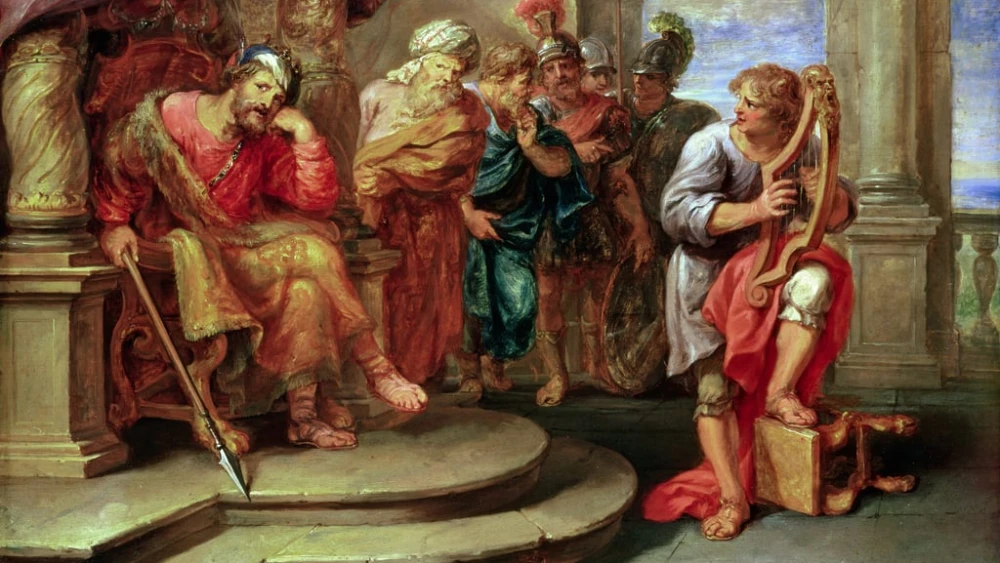
Every democracy eventually faces the same temptation: Problems that once appeared manageable become entrenched, public trust erodes, institutions lose credibility, and political divisions deepen. At precisely that moment, politics becomes intensely personal. Elections cease to revolve primarily around competing ideas and increasingly become a search for an individual who can finally restore what seems to have been lost.There is nothing irrational about that hope. Leadership matters, and history has repeatedly been shaped by extraordinary individuals whose courage and judgment altered the course of nations. Winston Churchill could not have led Britain through its darkest hour without those qualities, just as David Ben-Gurion’s leadership was indispensable to the founding of the State of Israel.The problem begins when societies expect leaders to accomplish what politics was never designed to achieve.Governments can defend borders, enforce laws and build institutions, but they cannot manufacture the civic character upon which such policies depend. They cannot…

Democracies often seek strong leaders, or "kings," when facing deep-seated problems, eroding trust, and political divisions, hoping an individual can restore what seems lost. This desire, while understandable given the historical impact of figures like Winston Churchill or David Ben-Gurion, becomes problematic when societies expect leaders to achieve what politics cannot, such as manufacturing civic character or legislating responsibility. The article draws a parallel to the Torah, where Israel's request for a king is interpreted not as a rejection of monarchy itself, but as a desire to externalize responsibility, similar to past instances like the Golden Calf or bringing the Ark into battle. The Torah, however, emphasizes that true leadership operates within a "culture of obligation," where the people must first cultivate responsibility. The text concludes that a society capable of producing the leaders it needs must first build a "culture of responsibility" from which effective leadership can emerge, rather than waiting for leaders to build society.
© All rights to the original article belong to the source. Din Online shows a headline, an excerpt and a link only. The objectivity rating is computed automatically and is an estimate only.
Discussion
No comments yet — be the first to comment.