Will gasoline be the final spark for a revolution in Iran?
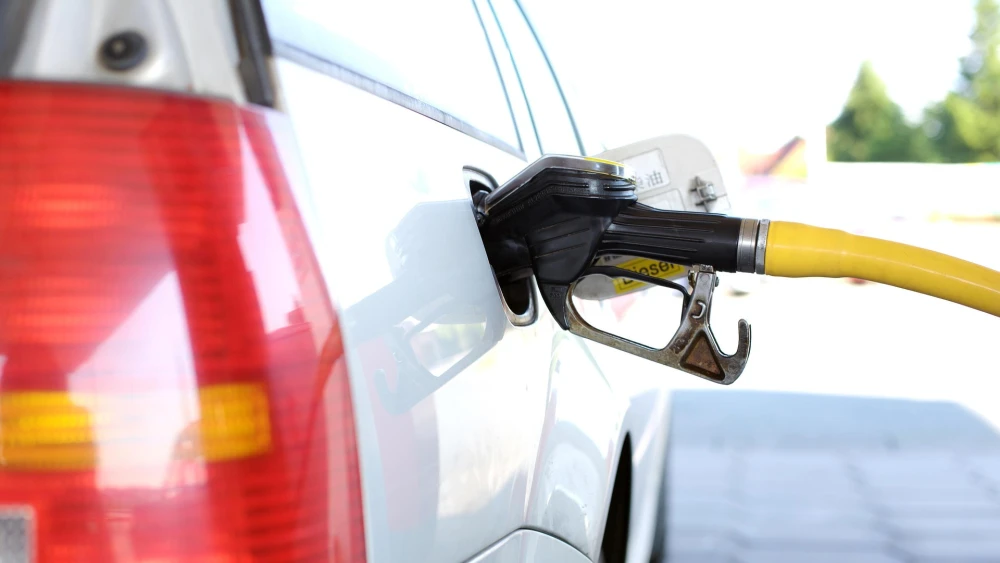

Long lines at gas stations, closed pumps and motorists spending hours searching for fuel. In a country that possesses some of the world’s largest oil and gas reserves, gasoline once again threatens to become one of the most dangerous political problems facing the Islamic Republic. What is happening at the pump today may appear to be an economic problem. In reality, it could have consequences for the regime’s survival.
The Financial Times reported this week that daily demand for gasoline in Iran is now approximately 15 million liters higher than domestic supply. War damage, import problems and mounting U.S. economic pressure have further aggravated the shortage. Gas stations in Tehran have run out of fuel, with long lines forming at the pumps. Iran International has also reported that the government is considering various forms of further rationing. One proposal would limit nationwide distribution to approximately 121 million liters per day.

Even more concerning are reports about Iran’s strategic fuel reserves. According to sources cited by Iran International, these reserves have fallen to critical levels and, if current consumption continues, could be further depleted within weeks. The information has not been independently verified, but the fact that the issue is being discussed within the regime itself illustrates how seriously the problem is being taken.
In November 2019, a sudden increase in gasoline prices triggered protests in more than 100 cities. The regime’s response was extraordinarily violent. At the same time, the protests delivered an important warning: Economic frustration in Iran can rapidly turn into political fury. Research on the 2019 protests likewise points to the combination of economic decline and an increasingly radical confrontation between the population and the state.
Conditions today may be even more explosive. Years of sanctions, inflation, currency depreciation, war and repression have eroded the economic resilience of millions of Iranians. Higher fuel prices would not stop at the pump. Transportation becomes more expensive, goods become more expensive, and ultimately, the everyday cost of living rises for virtually every household. International research shows that rising fuel prices can increase the likelihood of protest, particularly in oil-producing countries where citizens hold the government directly responsible for prices at the pump.
The current fuel crisis therefore cannot be separated from the broader struggle over Iran’s future. Discontent with the regime existed long before the present shortages. Gasoline does not have to create that anger; it only has to bring it back onto the streets. The role of Crown Prince Reza Pahlavi will become fundamental in this phase. Pahlavi has explicitly positioned himself as the leader of a transition toward a secular and democratic Iran. A new wave of protests would therefore be a test not only for the regime, but also for his leadership.
The Islamic Republic has managed to crush previous waves of protest through brutal repression. Yet the Iranian people have repeatedly shown that they will not be broken by it, taking to the streets with greater courage and in greater numbers with each new wave of protest. Moreover, the Iranian people need only succeed once; the regime cannot afford to fail even once.
It is not only the regime’s fuel reserves that are being depleted; the Iranian people’s reserves of patience are also nearing their limit. Rising gasoline prices could indeed become the spark for a political explosion that the regime can no longer contain.



Get the latest updates in our WhatsApp group.



Iran is facing a severe gasoline shortage, with daily demand exceeding domestic supply by approximately 15 million liters, leading to long lines at gas stations and potential further rationing. Reports, though unverified, suggest strategic fuel reserves are critically low and could be depleted within weeks. This crisis is exacerbated by war damage, import issues, and U.S. economic pressure. The situation mirrors November 2019, when a sudden gasoline price hike triggered widespread protests that were brutally suppressed, demonstrating how economic frustration can escalate into political unrest. Rising fuel prices would increase transportation and goods costs, impacting daily living for most households. The current fuel crisis is seen as a potential catalyst for renewed protests against the regime, with Crown Prince Reza Pahlavi positioned as a leader for a democratic transition. The article concludes that while the regime has used repression in the past, the Iranian people's patience is nearing its limit, and rising gasoline prices could ignite a political explosion.
© All rights to the original article belong to the source. Din Online shows a headline, an excerpt and a link only. The objectivity rating is computed automatically and is an estimate only.
Discussion
No comments yet — be the first to comment.